
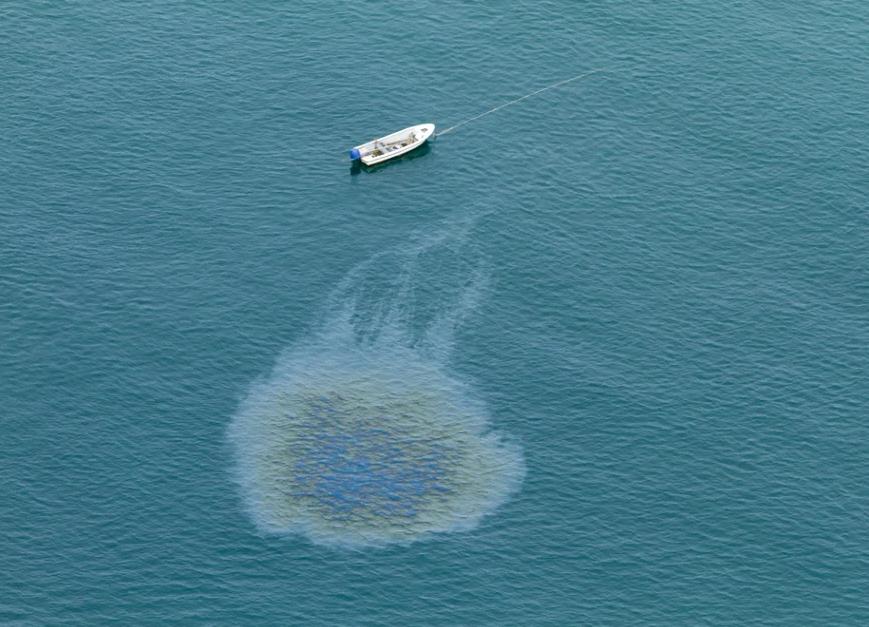
Surface oil spill pollution is a global environmental concern, particularly in marine environments, ports, oil fields, and industrial zones. Oil spill incidents severely damage aquatic ecosystems and impact fisheries, tourism, and the livelihoods of coastal communities. Traditional oil spill monitoring methods, such as manual inspections, laboratory testing, and satellite remote sensing, often suffer from delays, high costs, and limited coverage, making them inadequate for modern environmental protection and emergency management.
The OPS Surface Oil Spill Monitoring and Alarm System integrates high-precision sensors, intelligent analysis algorithms, and remote monitoring technology to enable real-time, around-the-clock oil spill detection. This system significantly enhances emergency response capabilities, minimizes pollution spread, and provides crucial support for environmental protection and industrial safety.
Current Challenges of Surface Oil Spill Pollution
1, Major Sources of Pollution
Surface oil spills primarily originate from:
Ports and Shipping Industry: Fuel leaks from vessels, operational errors in ports
Offshore Oil Fields and Petrochemical Industry: Drilling activities, pipeline leaks, equipment malfunctions
Industrial Discharges: Factory wastewater, illegal disposal of industrial waste oil
Traffic Accidents: Tanker truck rollovers, dockside loading and unloading incidents
2, Limitations of Traditional Monitoring Methods
Current monitoring techniques include manual inspections, drone surveillance, and satellite remote sensing. However, these methods present several drawbacks:
Slow Response Times: Delays in detection lead to missed opportunities for timely intervention
Weather Dependency: Adverse conditions reduce monitoring accuracy and effectiveness
Reliance on Human Expertise: Subjective assessments can lead to inaccurate evaluations
3, The Need for Smart, Automated Monitoring Solutions
To mitigate the environmental and economic impact of oil spills, real-time, intelligent monitoring and early warning systems are essential for modern pollution management.
OPS Surface Oil Spill Monitoring and Alarm System
The OPS Oil Spill Monitoring and Alarm System utilizes the inherent fluorescence properties of oil molecules, enabling it to detect a wide range of oil types, from marine diesel and vegetable oil to aviation fuel. Upon detecting potential oil spills, the system instantly triggers alerts and transmits early warning signals to operators. It can detect oil layers as thin as 1 micron at a distance of 0.5 to 10 meters above the water surface.

Key Features and Advantages
1. Long-Range Non-Contact Detection Sensors
Utilizes optical monitoring technology for non-contact detection. Unaffected by marine biological growth or oil contamination. Maintenance-free and easy to install. Detects oil spills at distances up to 10 meters above the water surface.
2. High Sensitivity
Uses UV-LED light to excite the natural fluorescence of oil Capable of detecting oil films as thin as 1 micron, minimizing false alarms.
3. 24/7 Real-Time Monitoring
Operates continuously, unaffected by daytime or nighttime conditions.
4. IP68 Waterproof Rating
Rugged, IP68-certified sealed design for harsh environments.
5. Long Service Life
Durable lifespan exceeding two years. Built-in self-calibration functionality.
Low maintenance and energy-efficient operation (<10W)
Enhancing Emergency Response Capabilities for Oil Spills
1, Establishing an Early Warning Mechanism
By leveraging the Disen Hezhi Surface Oil Spill Monitoring and Alarm System, organizations can achieve early detection, timely reporting, and rapid intervention, reducing the risk of oil spill spread and lowering cleanup costs.
2, Data-Driven Decision Support System
Real-time monitoring data provides a scientific basis for emergency response decision-making. By integrating historical data, pollution prediction models can be optimized to improve response efficiency.
3, Optimizing Emergency Response Coordination
Alert information is automatically transmitted to relevant departments, enhancing coordination and emergency response capabilities.
Application Scenarios
Port and Terminal Monitoring
Oil Fields and Chemical Industrial Parks
Offshore Oil Spill Monitoring and Emergency Response
Market advantages of OPS surface oil spill monitoring system
1. Competitiveness analysis compared with traditional technologies
Traditional manual inspection: low efficiency, discontinuous monitoring
UAV inspection: greatly affected by weather, short endurance
Satellite remote sensing: high cost, unable to conduct real-time monitoring
OPS intelligent monitoring system: real-time, efficient, accurate, all-weather monitoring
2. Cost-effectiveness evaluation
Reduce manual inspection costs and improve work efficiency
Reduce environmental pollution compensation and governance costs
Improve corporate environmental compliance and avoid fines
Conclusion & Action Plan
Oil spill pollution is a critical issue that demands intelligent, real-time, and precise monitoring solutions. The OPS Surface Oil Spill Monitoring and Alarm System offers cutting-edge technology to help businesses and government agencies establish efficient oil spill monitoring and emergency response frameworks, significantly improving environmental protection capabilities.
Want to learn more or get a customized oil spill monitoring solution?
Contact us today to explore the future of intelligent monitoring!
Tags: OPS, Surface Oil Spill Monitoring and Alarm System, Oil Spill Monitoring Solution, Offshore Oil Spill Monitoring, Non-Contact Oil Spill Monitoring System, Suppliers, manufacturers, factory, wholesale, buy, price, quotation, bulk, for sale, companies, stock, cost.
Related Products:
UV Fluorescence Non-contact Oil Spill Detection Sensor
Related Blogs:
Oil Spill Detectors vs. Traditional Methods: Which Is More Effective?
The Importance of Real-Time Water Surface Oil Spill Detection
Advantages and Techniques of Remote Sensing for Oil Spill Detection
Oil Leaks or Spills Detecting Methods and Sensors
Related Videos:
To send An Enquiry Now: