Overview
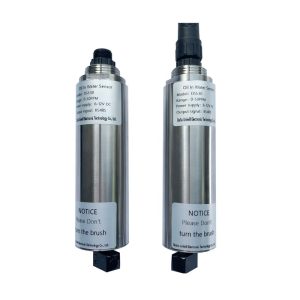
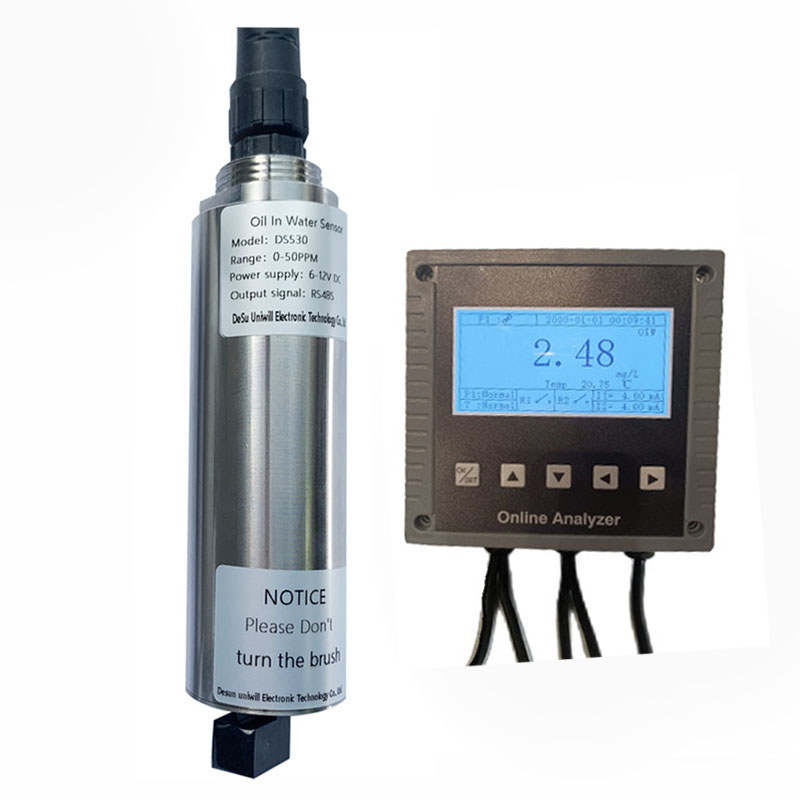
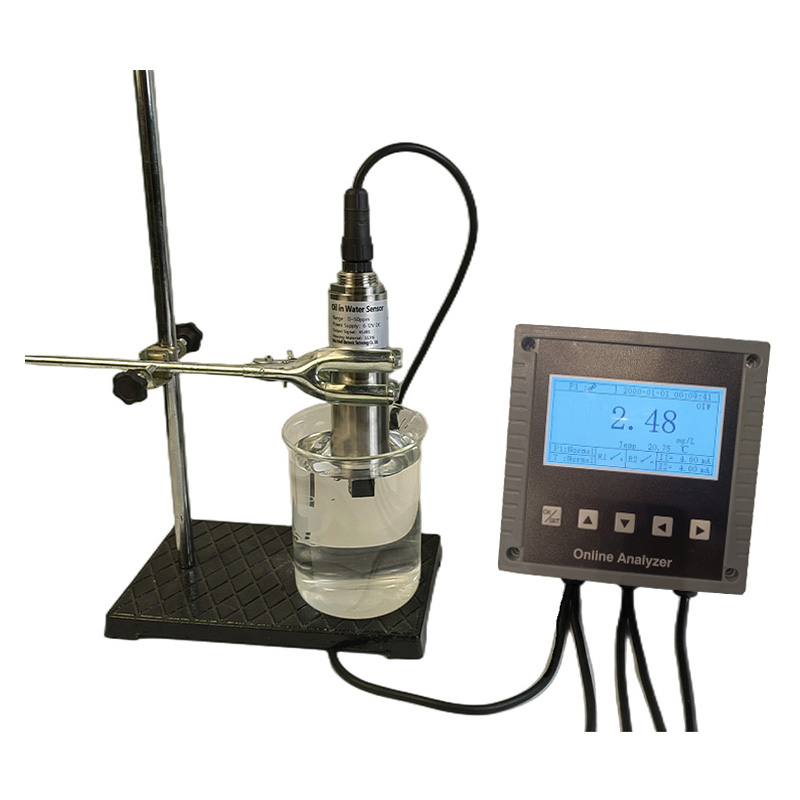
OPS DS530 Online Oil in Water Sensor is a complete solution for oil in water measurements in the waste water. The oil in water sensor adopts the principle of ultraviolet fluorescence analysis, has high sensitivity, and can detect soluble and emulsifiable oils. In addition, the self-cleaning brush version can be selected to effectively eliminate the influence of oil pollution on the measurement. It is suitable for a variety of water quality measurement scenarios such as oilfield monitoring, industrial circulating water, condensate, wastewater treatment, and surface water stations.
Measuring Principle of DS530 Fluorescence Oil in Water Sensor
The ultraviolet fluorescence method is used to monitor the concentration of oil in the water, and the oil concentration in the water is quantitatively analyzed based on the fluorescence intensity emitted by the petroleum and its aromatic hydrocarbon compounds and compounds containing conjugated double bonds after absorbing ultraviolet light. The aromatic hydrocarbons in petroleum can produce fluorescence under the excitation of ultraviolet light, and the value of oil in water can be calculated according to the intensity of the fluorescence.
Features of Online Oil in Water Probe
-Digital sensor, RS-485 output, support MODBUS;
-With automatic cleaning brush to eliminate the impact of oil on the measurement;
-Eliminate the effects of ambient light on measurements with unique optical and electronic filtering techniques;
-Unaffected by suspended solids in water.
Technology Parameter
| Product | Oil In Water Sensor / Oil In Water Analyzer / Oil In Water Probe / Oil In Water Detection Sensor |
|---|---|
| Model | DS530 |
| Principle | Ultraviolet fluorescence method |
| Measuring Range | 0-50ppm 0-200ppm (Small range oil in water sensor 0-5ppm can be customized) |
| Precision | 3% |
| Resolution | 0.1ppm or 0.1ppb |
| The detection limit | According to the actual oil sample |
| Linearity | R2>0.999 |
| Protection level | Ip68 |
| Sensor interface | Support RS-485, MODBUS protocol |
| Assembly | Input type |
| Power information | DC 6~12V, current <50mA (when not cleaned) |
| Size | Φ45*175.8 mm |
| Probe cable length | 5 meters (default), can be customized |
| Housing material | 316L (customizable titanium alloy) |
| Self-cleaning Brush | No/Have |
| Optical window | optical fiber |
Applications of Oil in Water Monitor
-Drinking water
-Wastewater
-Process measurement and control technology
-The environmental monitoring
-Heat Exchanger Leak Detection
-Oil Tank Leakage Detection
-Intake Water Monitoring
-Reinjection Water Monitoring
-Industrial Wastewater Monitoring
-Marine Discharge Monitoring
-Plant Runoff / Storm Water Monitoring
Oil Measured by OPS Oil in Water Detection Sensor
-Marine Diesel Engine
-Heating Oil
-Lubricating Oil
-Hydraulic Oil
Mineral Oil
-Diesel
-Petrol Diesel
-Fuel oil
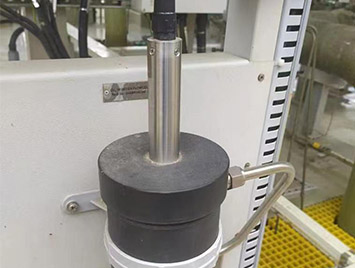
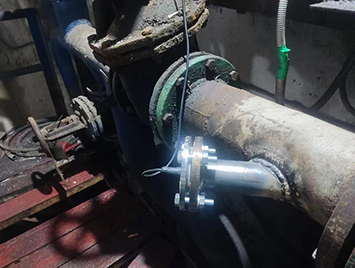
OPS Oil in Water Sensors Use sites

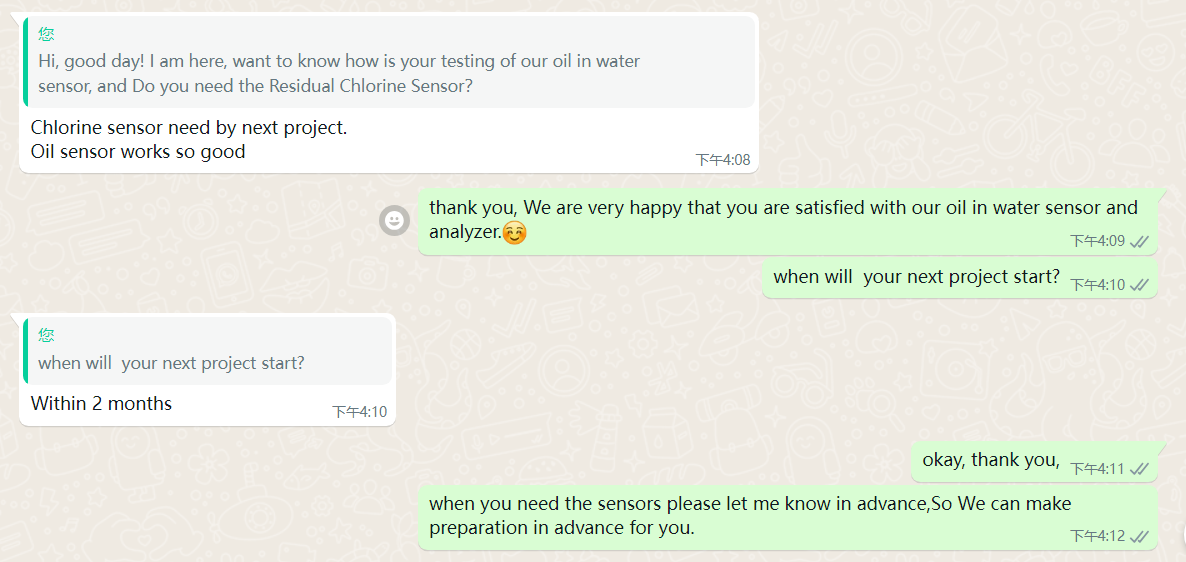
Customer Comment
Comparison Table of Oil In Water Sensor and Oil Spill Detector
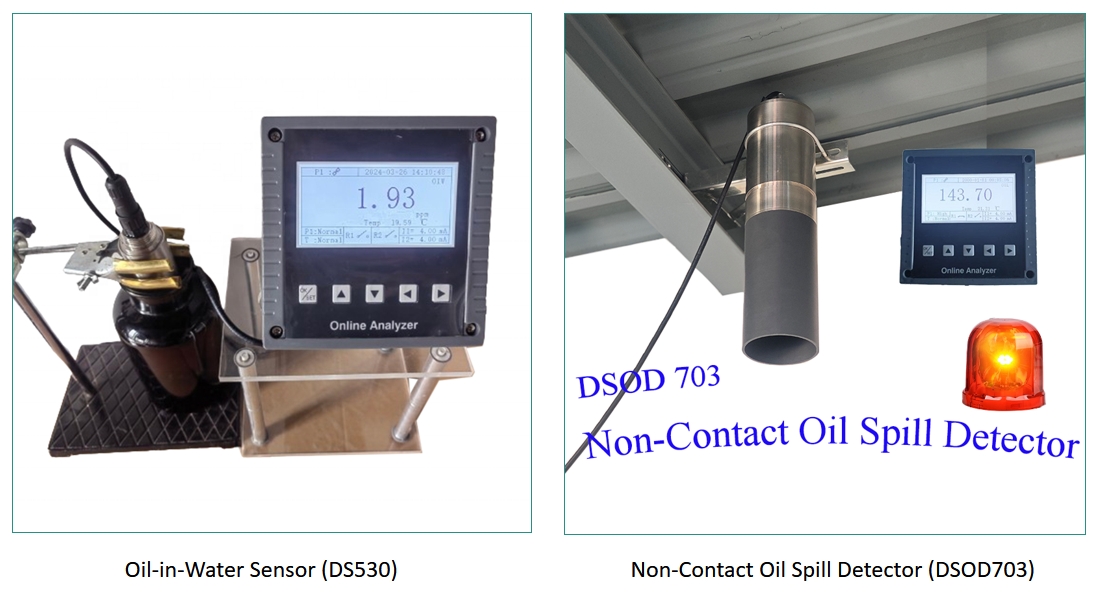
| Item | Oil-in-Water Sensor (DS530) | Non-Contact Oil Spill Detector (DSOD703) |
|---|---|---|
| Measurement Principle | UV Fluorescence Method | UV Fluorescence Method |
| Applicable Oil Types | Heavy oil, etc. | Heavy oil, etc. |
| Installation Method | Submersible installation: installed in water, light-shielded | Non-contact installation: installed above water/ground |
| Light Interference | Affected by natural light, must be installed away from light | No effect within 0–2m range; 0–10m version includes light shield |
| Calibration Method | Requires calibration with standard solution | Calibrated via software only, no standard solution needed |
| Detection Capability | Can measure exact oil concentration in water | Used to quickly detect the presence of oil on the water surface; does not show specific concentration |
| Signal Output | RS485 | RS485 / 4–20mA |
| Power Supply | 12V or 24V DC | 24V DC |
| Application Scenarios | Industrial wastewater, municipal sewage, surface water monitoring, etc. | Oil depots, refineries, ports, power plants, airports, gas stations, industrial wastewater |
FAQs
1. How does an online oil-in-water sensor work?
For Fluorescence-based oil in water sensors: These sensors utilize fluorescent molecules that emit light when excited by a specific wavelength of light. When oil or hydrocarbons are present in water, they interact with the fluorescent molecules, causing a change in the emitted light’s intensity or wavelength. By measuring this change, the sensor can determine the oil concentration in the water.
The sensor typically consists of a probe or sensor head that is immersed in the water sample. This probe contains the necessary components for detecting and measuring the presence of oil. The data collected by the sensor can then be analyzed to determine the oil concentration in the water.
2. Why do we need to monitor oil in water?
Oils and hydrocarbons are often a major component of a variety of products, from fuels to solvents to the many chemicals used in industry during processing. In industrial production, some of these hydrocarbons, oils, and solvents can leak into sewers or, worse, directly into the environment. Similarly, domestic and agricultural fuel storage can lead to accidental spills into waterways and aquifers. In the oil industry, one ton of oil spilled can quickly spread over an oil slick covering an area of approximately 10,000 sq. m. Oil in water sensors and analyzers can be useful by giving early warning of problems as they occur.
VIDEO
Related Articles
How to Choose the Perfect Oil in Water Sensor for Your Applications?
How to Detecting Oil Contamination in Water with Reliable Oil in Water Sensors