Overview
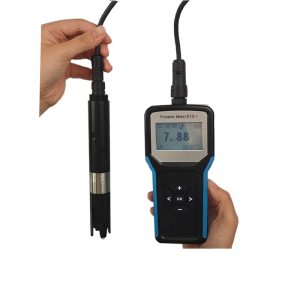
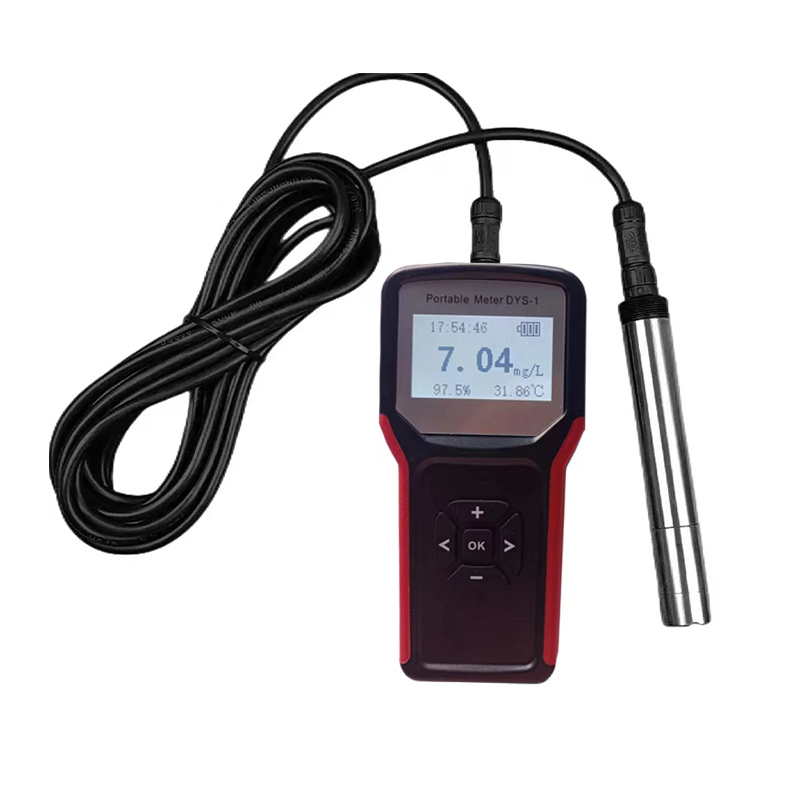
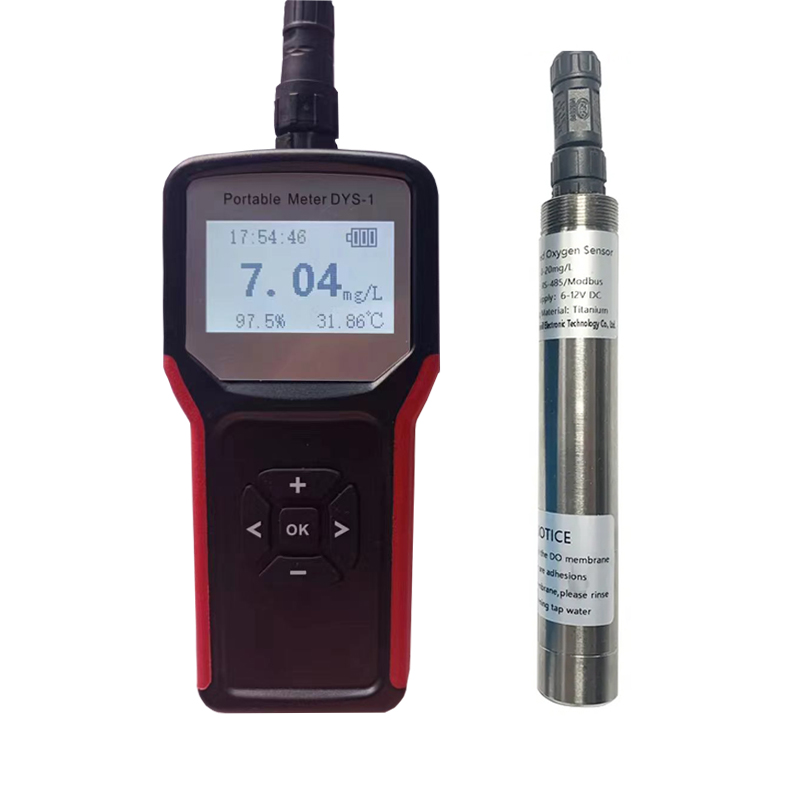
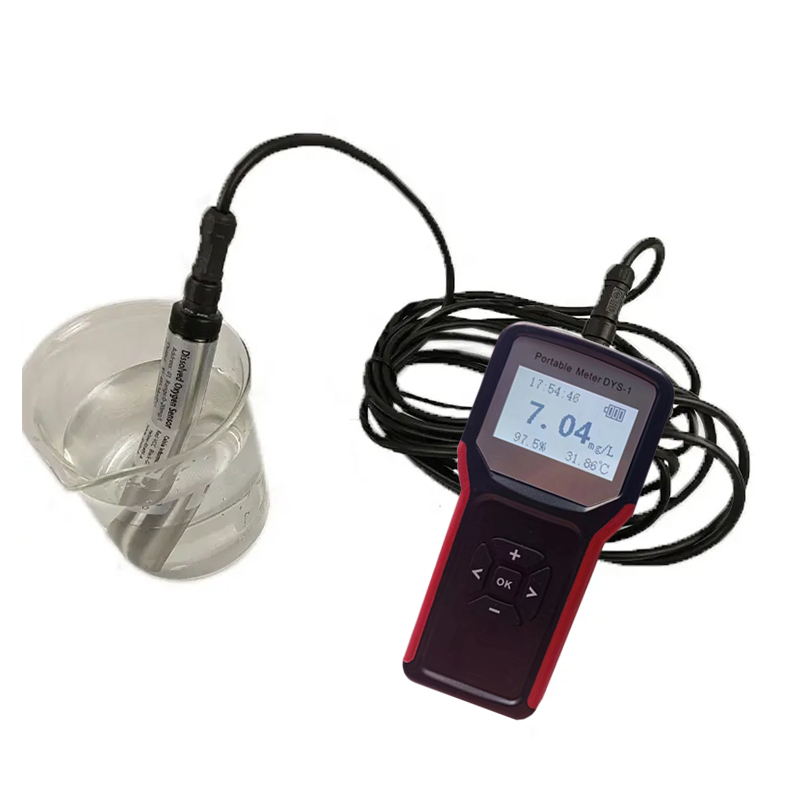
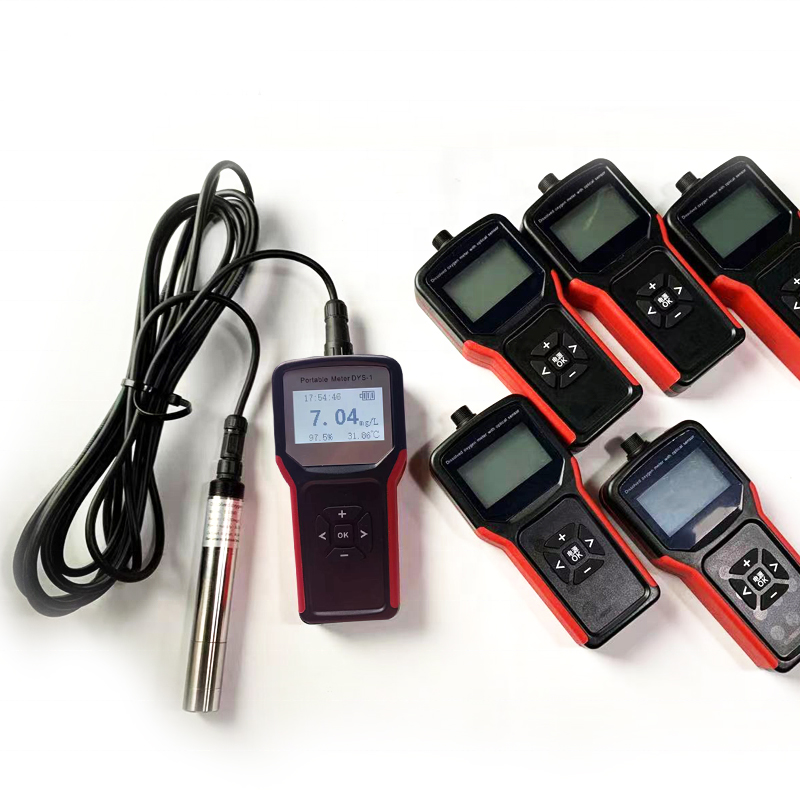
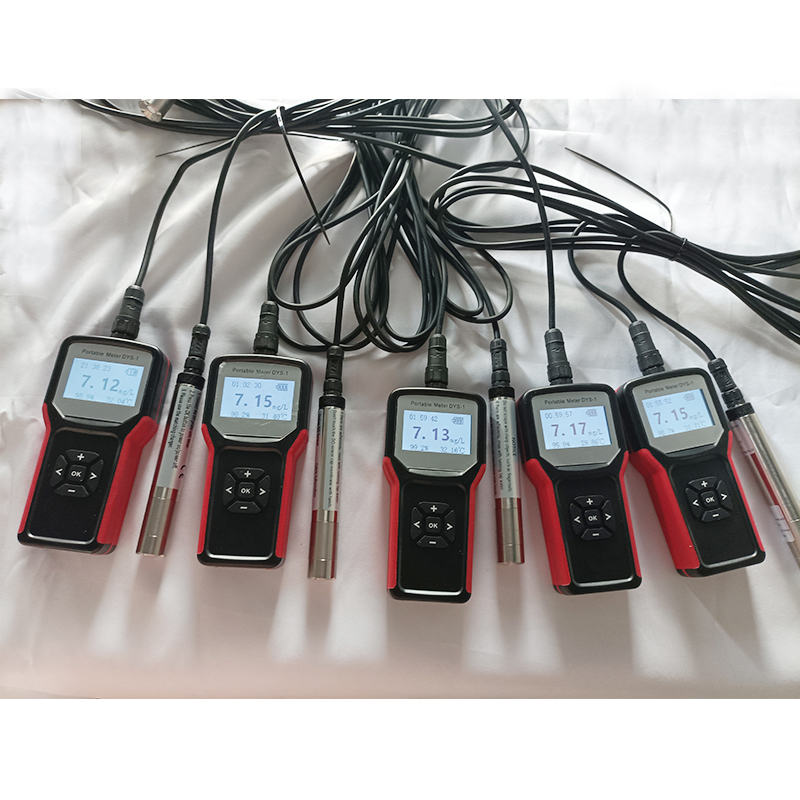
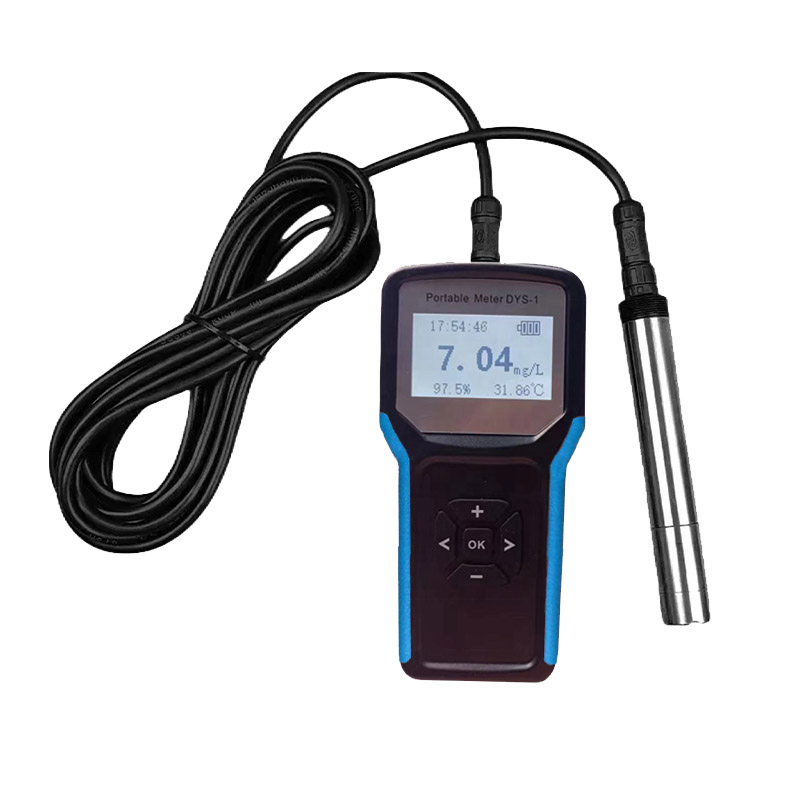
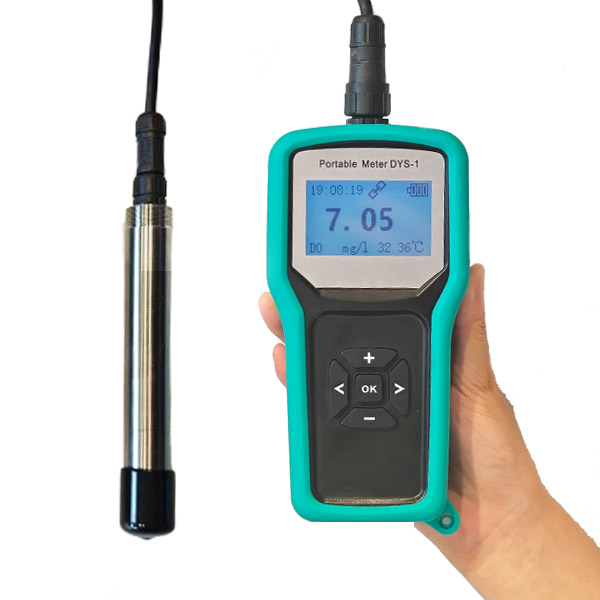
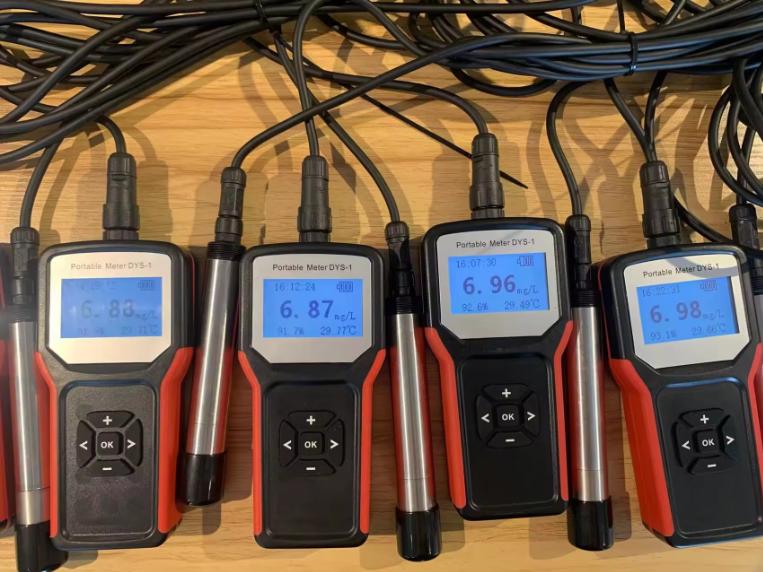
DYS-1 Portable Optical Dissolved Oxygen Meter is a handheld device used to measure the amount of dissolved oxygen in water. It is commonly used in environmental monitoring, aquaculture, wastewater treatment, and laboratory research.
Related Products Show

Features of DYS-1 Portable Dissolved Oxygen Meter
- The DYS-1 DO meter features a large LCD (Liquid Crystal Display) for clear readings.
- RS-485 Signal output.
- Low power consumption, high reliability, and intelligent measurement.
- Having a reliable, easy (one-handed) operation.
- Support manual salinity compensation and air pressure compensation.
- Manual/auto-calibration.
- Display DO Temperature.
- Suitcase packaging is easy to carry.
- Testing at any time, anywhere.
Applications
- Aquaculture: Monitoring oxygen levels in fish farms to ensure a healthy environment.
- Environmental Testing: Checking water quality in rivers, lakes, and oceans.
- Wastewater Treatment: Measuring DO levels to assess treatment efficiency.
- Industrial Use: Monitoring water quality in cooling towers, boilers, and other processes.
Technical Parameters and Dimensions
| Model | DYS-1 |
|---|---|
| D.O. Range | 0~20mg/L or 0~200% |
| D.O. Accuracy | <3% |
| Sensor Material | Stainless Steel/ Titanium |
| Temp. Range | 0~50℃ |
| Temp. Accuracy | ±0.2℃ |
| Sensor Cleaning Cycle | According to water condition and measuring frequency |
| Working Temperature | -20℃~50℃ |
| Powder Supply | 4*AAA/LR03 1.5V |
| Power | <0.5w |
| Signal Output | RS485 |
| Calibration | Auto/Manual |
| Cable | Standard 5 meters, longer can be customized |
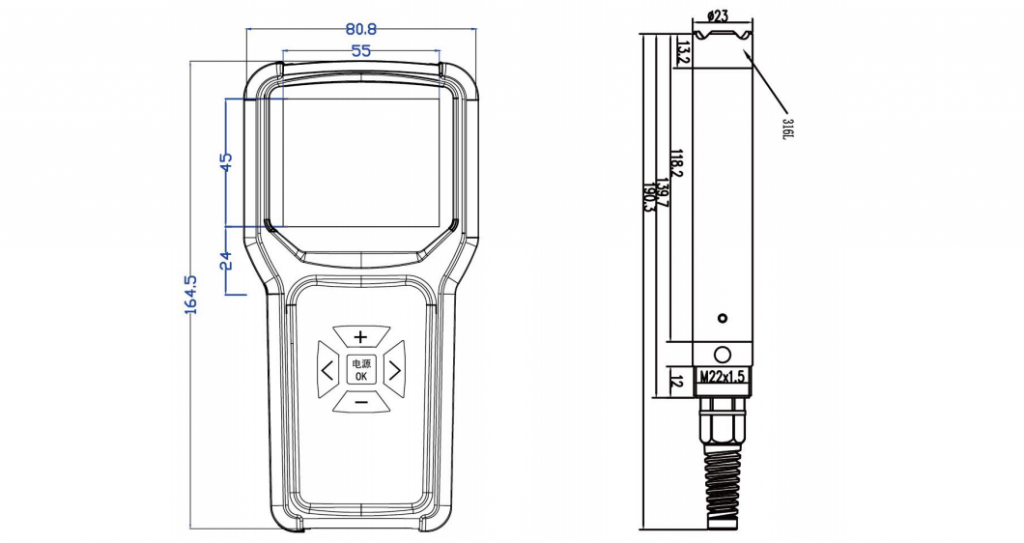
Dimensions
Using Steps
1. Connect the DO probe with the Meter.
2. Click OK to turn on.
3. Press and hold the OK button for 3 seconds to switch off.
FAQs About Portable Dissolved Oxygen (DO) Meters
- What is a Portable Dissolved Oxygen Meter?
A portable DO meter is a handheld device used to measure the concentration of dissolved oxygen in water. It is widely used in environmental monitoring, aquaculture, wastewater treatment, and industrial applications.
- How does an Optical DO meter work?
An Optical DO meter works by using an optical sensor to detect oxygen levels in water. The sensor reacts with dissolved oxygen, generating a signal that is converted into a readable measurement (mg/L or % saturation).
- How do I calibrate a portable DO meter?
OPS DYS-1 DO meters have a built-in calibration function. Typically, calibration is done using air-saturated water or a zero-oxygen solution.
- What factors can affect DO readings?
Temperature: Higher temperatures reduce oxygen solubility.
Salinity: Higher salinity lowers DO concentration.
Pressure: Changes in atmospheric pressure can impact readings.
Altitude: Higher altitudes result in lower oxygen levels.
- How do I maintain my DO meter?
Regularly clean the sensor and replace membranes if needed.
Calibrate before use to ensure accuracy.
Store the probe properly to prevent drying out.
Avoid exposing the probe to extreme temperatures or contaminants.
- What is the typical lifespan of a DO sensor?
The lifespan varies based on usage and maintenance. Optical sensors can last several years with proper care.
- Can I use a DO meter in saltwater?
Yes, but you may need a model with automatic salinity compensation or manually adjust for salinity to get accurate readings.
- What are the ideal DO levels for different applications?
Aquaculture: 5-8 mg/L for fish farming.
Drinking Water: Above 6 mg/L.
Wastewater Treatment: 2-4 mg/L for aerobic treatment.
Rivers/Lakes: Varies, but typically above 5 mg/L for healthy ecosystems.
Videos