Overview:
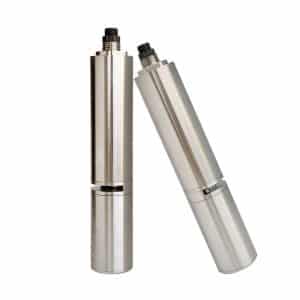
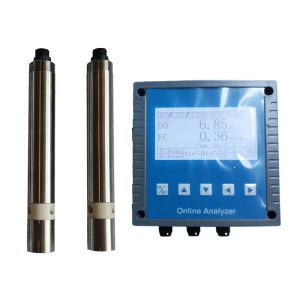
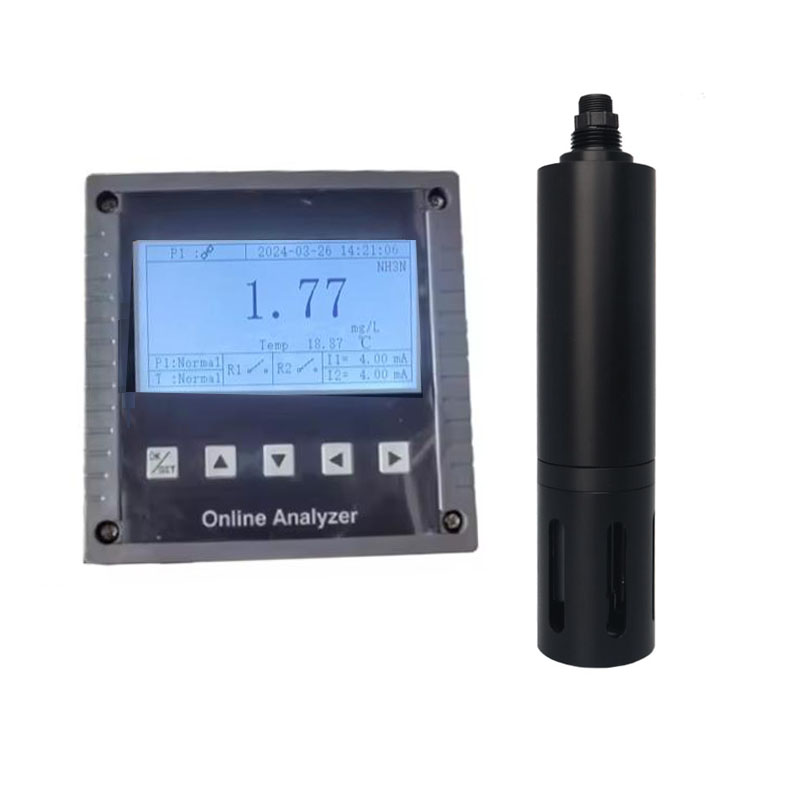
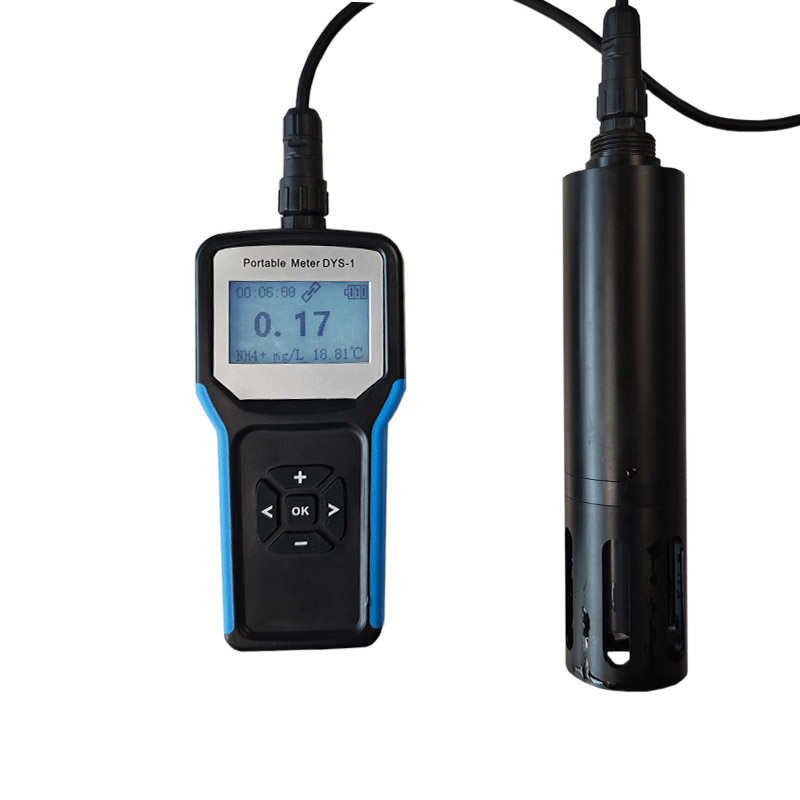
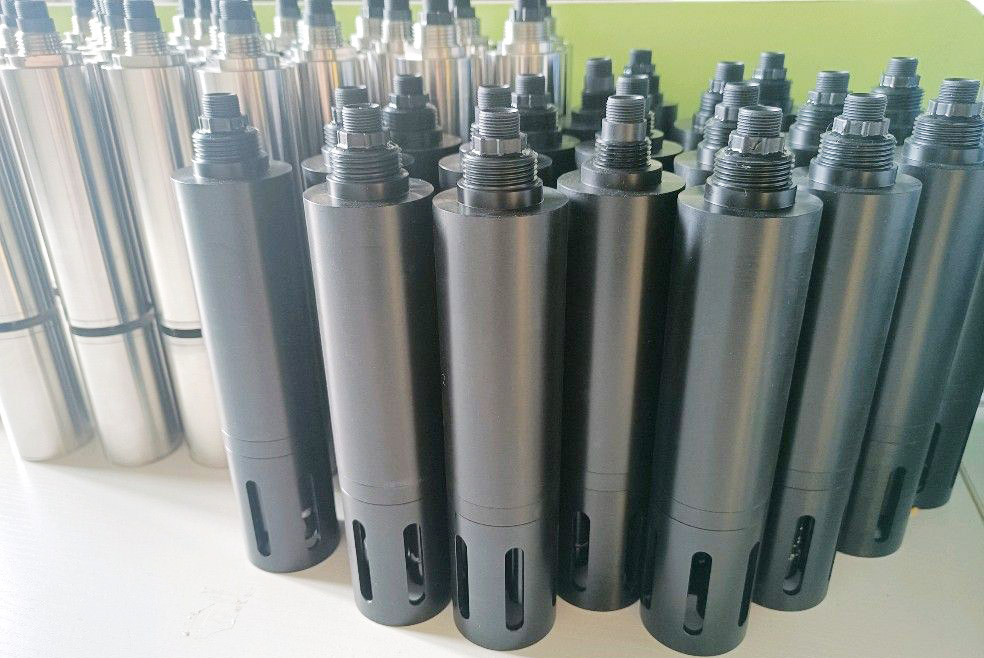
DSN260 Ammonia Nitrogen Sensor integrated ammonium ion, potassium ion (optional), pH, and reference electrode, automatically compensate for potassium ion (optional), pH and temperature in water.
Installation Method of Ammonia Nitrogen Sensor:
Direct input installation, compared to traditional ammonia nitrogen analyzers, requires no reagents, is more economical and environmentally friendly, and the electrodes can be replaced separately.
Features:
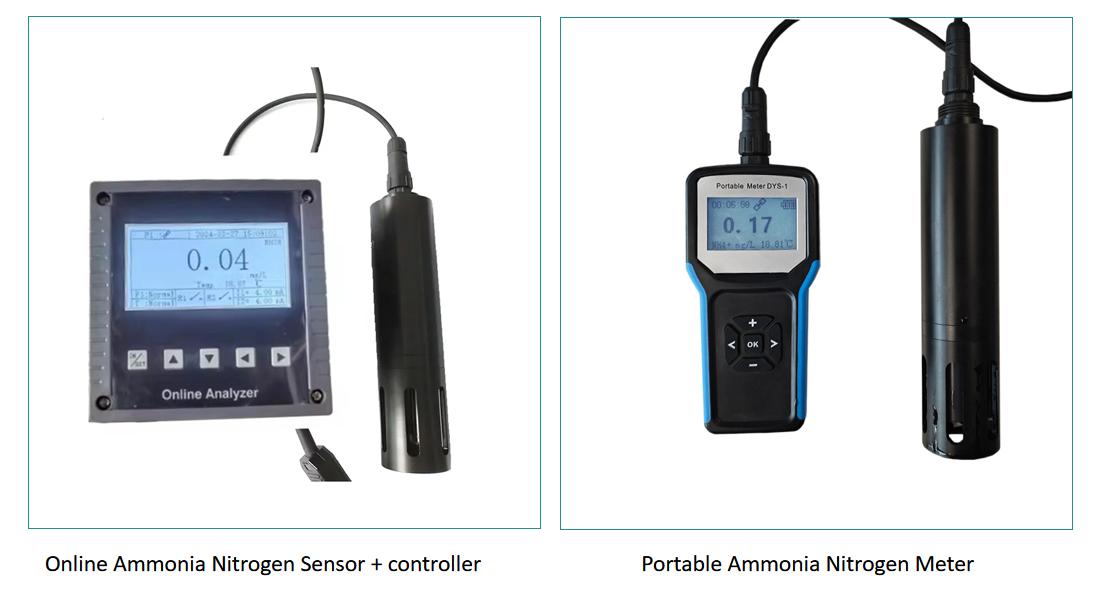
- The Sensor adopts the ion electrode method without electrolyte.
- No reagents are required, no secondary pollution.
- Can output parameters such as pH temperature.
- Electrodes can be replaced individually for easy maintenance.
Technical parameter:
| Product name | Ammonia nitrogen sensor |
|---|---|
| Detection principle | ion selective electrode method |
| Measurement range | Ammonia nitrogen: 0~1000mg/L NH4-N PH: 0-14ph |
| Measurement accuracy | Ammonia nitrogen: 3% PH: ±0.1 |
| Resolution | Ammonia nitrogen: 0.1mg/L PH: 0.01 |
| Temperature range | 0~50°C |
| Storage temperature | -2~80°C |
| Output signal | RS-485 output MODBUS protocol |
Specifications:
| Waterproof level | IP68 |
|---|---|
| Under pressure | 1bar |
| Product material | POM |
| Product Size | Φ48 X 209mm |
| Power information | DC 6~12V, current <50mA |
| Cable length | Standard 5 meters, longer can be customized |
CUSTOMER CASES:
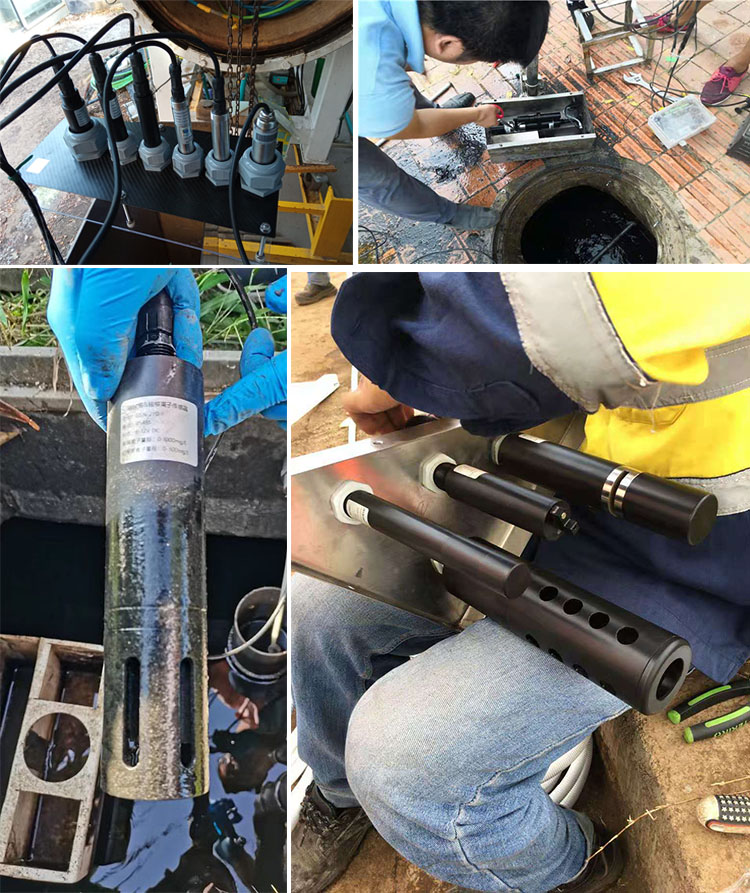
Applications of DSN260 Online Ammonia Nitrogen Sensor
Ammonia nitrogen sensors monitor and measure ammonia (NH₃) and ammonium (NH₄⁺) levels in various environments, particularly water and air. They have numerous applications across different industries and scientific fields.
- Water Quality Monitoring
Wastewater Treatment Plants: help monitor ammonia levels to ensure efficient nitrogen removal processes such as nitrification and denitrification.
Aquaculture & Fisheries: Ensures a healthy aquatic environment by monitoring ammonia levels, which can be toxic to fish and other marine organisms.
Drinking Water Systems: Ensures safe water quality by detecting ammonia contamination, which can indicate pollution or inefficient treatment.
Surface Water & Groundwater Monitoring: Used in lakes, rivers, and reservoirs to assess pollution from agricultural runoff, industrial discharge, and sewage leaks.
- Industrial Applications
Chemical & Fertilizer Manufacturing: Helps regulate ammonia emissions and detect leaks in industrial processes.
Power Plants: Used in cooling systems and wastewater management to control ammonia pollution.
- Smart & IoT-Based Monitoring
Smart Cities & IoT Applications: Integrated into smart sensors and remote monitoring systems for real-time ammonia detection in water and air.
Remote Sensing & Autonomous Systems: Used in unmanned aerial vehicles (UAVs) and underwater robots for environmental monitoring.
Ammonia nitrogen sensors play a crucial role in environmental protection, industrial applications, and scientific research. Their ability to provide real-time monitoring helps in maintaining water quality, reducing pollution, and ensuring compliance with environmental regulations.
FAQs About Ammonia Nitrogen Sensors
- What is an ammonia nitrogen sensor?
An ammonia nitrogen sensor is a device that detects and measures the concentration of ammonia (NH₃) or ammonium (NH₄⁺) in water or air. It is commonly used in water treatment, aquaculture, environmental monitoring, and industrial applications.
- How does an ammonia nitrogen sensor work?
OPS ammonia nitrogen sensors use ion-selective electrode (ISE) methods to measure ammonia levels.
- Why is it important to measure ammonia nitrogen?
Ammonia nitrogen is a key indicator of water quality. High ammonia levels can be toxic to aquatic life, harmful to drinking water, and contribute to environmental pollution. In industries, it helps ensure compliance with regulations.
- What factors affect ammonia sensor accuracy?
Temperature: Higher temperatures increase NH₃ levels and may affect sensor response.
pH levels: Ammonia exists in different forms based on pH; proper calibration is required.
Interference: Other ions, like potassium or sodium, may interfere with readings in some sensors.
Sensor Fouling: Biofilms or debris accumulation can reduce accuracy over time.
- Can ammonia nitrogen sensors be used in real-time monitoring?
Yes, OPS ammonia nitrogen sensors are designed for real-time, continuous monitoring. They can be integrated with IoT systems, remote monitoring platforms, or automated data loggers.
Videos: