
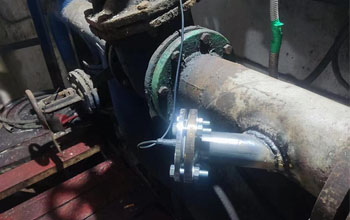
Oil Leaks or Spills Detecting is crucial to maintaining environmental balance, safeguarding human health, protecting economic interests, and ensuring sustainable development. Advanced detection technologies and proactive monitoring systems play a vital role in preventing and mitigating the devastating impacts of oil spills.
Oil leaks or spills detectiing methods vary depending on the environment (land, water, or industrial facility) and the scale of the leak. Below are common methods used for oil leak or spill detection:
1, Visual Observation
Surface Sheen on Water: A rainbow-like sheen on the water surface often indicates the presence of oil.
Visible Oil Stains: On land or equipment, oil stains or pooling can indicate a leak.
Vegetation Damage: Dead or dying plants in specific areas may signal oil contamination.
2, Olfactory and Sensory Indicators
Smell: A distinct petroleum or chemical odor may indicate a spill.
Sticky Surfaces: Greasy or oily residues can suggest an active leak.
3, Automated Sensor Systems
Oil Leak Detectors: Sensors that detect changes in pressure, flow rate, or oil composition in pipelines and tanks.
Hydrocarbon Detectors: These sensors identify hydrocarbons in air, water, or soil.
Infrared Sensors: Detect heat signatures of oil spills, particularly effective in pipelines.
4, Aerial Surveillance
Drones with Cameras: Equipped with infrared or optical sensors to detect spills in hard-to-reach areas.
Satellite Imaging: Detects large-scale oil spills, especially in marine environments, by identifying surface changes.
Thermal Imaging: Identifies temperature variations caused by oil on land or water.
5, Water Quality Monitoring
Oil in Water Sensors: Continuously analyze water to detect oil concentrations.

DS530 Online Oil In Water Sensor 0-200ppm
Turbidity Sensors: Detect changes in water clarity due to oil contamination.
6, Ground and Soil Monitoring
Soil Sampling: Testing for oil content in suspected areas.
Ground Penetrating Radar (GPR): Identifies underground leaks by detecting anomalies in the soil structure.
7, Acoustic and Ultrasonic Detection
Acoustic Monitoring: Detects changes in sound patterns caused by leaks in pressurized pipelines.
Ultrasonic Leak Detectors: Identify high-frequency sounds generated by escaping oil or gas.
8, Thermal and Optical Imaging
Infrared Cameras: Highlight temperature differences caused by oil presence.
Optical Sensors: Detect the distinct reflective properties of oil compared to water or other substances.
9, Chemical Testing
Fluorescence Testing: Oil fluoresces under UV light, aiding detection in water.
Hydrocarbon Tracers: Special chemicals are added to oil; their presence in unexpected areas indicates leaks.
10, Pressure Monitoring in Pipelines
Pressure Drop Alarms: Monitor pressure loss in pipelines, indicating potential leaks.
Flow Rate Discrepancy: Differences between input and output flow rates may signal leaks.
11, Specialized Marine Detection
Booms and Skimmers: Deployed in water to identify and contain spills.
Remote Sensing Buoys: Equipped with oil detection sensors that relay data in real-time.
12, Best Practices for Effective Detection
Regular Inspections: Routine visual and sensor-based inspections of equipment and facilities.
Real-Time Monitoring Systems: Employ automated detection systems for immediate response.
Emergency Response Training: Ensure teams are equipped to recognize and respond to spills promptly.
Combining multiple methods allows oil spills to be detected early, allowing for quicker containment and cleanup. OPS provide oil in water sensor and Non-contact Oil Spill Detection Sensor to Detecting Oil leaks or spills, if you are interested, please get in touch with us immediately.
Tags: Oil Leaks or Spills Detecting, Oil Leaks Detecting Methods, Oil Spills Detecting Methods, Oil Leaks Detecting sensor, Oil Spills Detecting sensor, Suppliers, manufacturers, factory, wholesale, buy, price, quotation, bulk, for sale, companies, stock, cost.
Related Products:
UV Fluorescence Non-contact Oil Spill Detection Sensor
DS530 Online Oil In Water Sensor 0-200ppm
Related Blogs:
Three types of oil sensors: Oil in Water Sensor, PAH Sensor, and Oil Spill Detector Sensor
To send An Enquiry Now: