
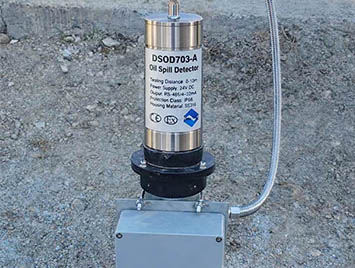
Reliable Oil Spill Detection Solutions for Industrial & Environmental Monitoring
With increasingly strict environmental regulations and growing awareness of water pollution risks, oil spill detection and monitoring have become a critical requirement across multiple industries. Oil leaks—whether from ships, offshore platforms, industrial facilities, or wastewater systems—can cause severe environmental damage, operational downtime, and costly regulatory penalties if not detected early.
OPS, as a professional manufacturer of oil spill detectors and water quality monitoring sensors, provides reliable, real-time oil spill detection solutions for a wide range of industrial and environmental applications worldwide.


This article introduces the most common application scenarios of OPS Oil Spill Detectors, helping industrial buyers, engineers, and environmental project managers understand how oil spill monitoring systems are deployed in real-world conditions.
1. Maritime Shipping: Oil Spill Detection for Ships and Ports
In maritime shipping, oil pollution is most commonly caused by:
- Fuel oil or diesel leakage from vessels
- Bilge water discharge anomalies
- Accidental spills during bunkering and cargo operations
- Leaks at port facilities and terminals
Even small oil spills can spread rapidly on the water surface, threatening marine ecosystems and exposing shipowners and port operators to heavy fines and reputational risks.
OPS Solution
OPS oil spill detectors are widely used in:
- Port basins and dock areas
- Ship discharge outlets
- Bunkering and fueling zones
By continuously monitoring oil presence in water, the system can detect oil films or oil contamination in real time and trigger immediate alarms. The detectors can be integrated with:
- Port environmental monitoring systems
- Ship automation systems
- Emergency response or containment equipment
Key benefits for maritime applications:
- Continuous online monitoring
- Fast response and early warning
- Suitable for unmanned or remote operation
- Supports environmental compliance in ports and shipping operations
2. Oil and Gas Platforms: Offshore Oil Spill Monitoring
High-Risk Offshore Environments
Offshore oil and gas platforms operate under harsh conditions and face constant risks such as:
- Pipeline leakage
- Seal failure in storage and transfer systems
- Accidental spills during maintenance or operation
Due to the remote location of offshore facilities, early detection is essential to prevent large-scale marine pollution.
OPS oil spill detectors are designed for:
- Offshore platforms and FPSOs
- Near-platform water monitoring
- Pipeline route surveillance
With high-sensitivity oil detection technology, the system can identify oil leakage at an early stage, supporting proactive maintenance and environmental protection strategies.
3. Coastal and Harbour Surveillance: Protecting Sensitive Water Areas
Importance of Coastal Monitoring
- Coastal and harbour areas often combine:
- Dense shipping traffic
- Industrial activities
- Ecologically sensitive zones
Without continuous monitoring, oil contamination may go unnoticed until visible damage occurs.
OPS oil spill detection systems are commonly deployed in:
- Coastal environmental monitoring projects
- Harbour water quality surveillance
- Government and regulatory monitoring stations
The detectors support remote data transmission and long-term monitoring, making them suitable for environmental authorities and port operators seeking reliable coastal pollution detection solutions.
4. Industrial Discharge Monitoring: Preventing Oil Pollution at the Source
Industrial Oil Leakage Risks
Industrial facilities such as:
- Power plants
- Chemical factories
- Manufacturing plants
may release oil-contaminated wastewater due to equipment leakage, process failures, or accidental discharges.
Monitoring Solution
OPS oil spill detectors can be installed at:
- Industrial discharge outlets
- Internal drainage or monitoring pits
- Cooling water return systems
By detecting oil contamination before discharge, facilities can:
- Prevent environmental violations
- Protect downstream ecosystems
- Improve internal environmental compliance management
5. Emergency Spill Response: Fast Detection for Rapid Action
Time-Critical Detection
During emergency spill incidents, response speed is critical. The faster the spill location and extent are identified, the more effective the containment and recovery actions will be.
Support for Emergency Teams
OPS oil spill detectors provide:
- Rapid deployment capability
- Immediate oil spill detection and alarm
- Clear identification of contamination zones
These features help emergency response teams make data-driven decisions, minimizing environmental damage and cleanup costs.
6. Wastewater Treatment Plants: Oil Contamination Monitoring
Hidden Risks in Wastewater Treatment
Oil contamination in wastewater treatment plants may originate from:
- Industrial wastewater inflow
- Incomplete oil-water separation
- Equipment malfunction
Undetected oil can reduce treatment efficiency and damage downstream processes.
Monitoring Benefits
OPS oil spill detectors are applied to:
- Influent monitoring
- Effluent quality assurance
- Reclaimed water safety monitoring
Real-time oil detection ensures that treated water meets discharge standards and protects treatment infrastructure.
Why Choose OPS Oil Spill Detectors?
OPS oil spill detection systems are designed for industrial-grade reliability and long-term operation.
Key advantages include:
- Continuous online oil spill monitoring
- High sensitivity to oil films and oil contamination
- Suitable for harsh industrial and marine environments
- Easy integration with SCADA and monitoring platforms
- Proven performance in global environmental projects
In Conclusion, Oil spill detection is no longer optional—it is a fundamental part of modern environmental protection, industrial safety, and regulatory compliance.
With extensive application experience across maritime shipping, oil and gas, industrial discharge, coastal surveillance, emergency response, and wastewater treatment, OPS Oil Spill Detectors provide reliable and cost-effective solutions for industrial buyers and environmental monitoring projects worldwide.
If you are looking for a professional oil spill detection system manufacturer or a customized solution for your specific application, OPS is ready to support your project.
Tags: oil spill detector, oil spill detection system, oil spill monitoring system, oil in water sensor, oil leak detection sensor, maritime oil spill detection, offshore oil spill monitoring, port oil spill detector, industrial oil discharge monitoring, wastewater oil contamination monitoring, oil spill detector manufacturer, oil spill detection system supplier, industrial oil spill monitoring solution, oil in water sensor manufacturer.
Related Product
Non-contact DSOD703 Oil Spill Detector
Video
Related Blogs
OPS DSOD703 Oil Spill Monitoring & Alarm Systems Installed in Seawater Desalination Plants in the UAE
OPS DSOD703 Oil Spill Detectors Installed on Overseas Diesel Storage Project
OPS DSOD703 Oil Spill Detector Installed in Sewage Channels in Russia
OPS DSOD703 Non-Contact Oil Spill Detector Installed at Coastal Oil Depot in Hainan