
In industrial and environmental water quality monitoring, selecting the appropriate measurement technology is critical—not only for data accuracy, but also for long-term system stability, maintenance cost, and automation performance.
At OPS, we work closely with system integrators, shipyards, wastewater operators, and OEM partners worldwide. One of the most common technical questions we receive is:
Should we use a spectrophotometer or a sensor for this application?
This article explains the key differences from a manufacturer’s perspective:
Two Technologies, Two Different Rol
Spectrophotometer: Reference-Grade Chemical Analysis
A spectrophotometer determines water quality parameters by measuring light absorption at specific wavelengths, following the Beer–Lambert law. In most cases, this involves chemical reagents and controlled reaction conditions.
Spectrophotometric methods are commonly used for:
- COD
- Ammonia nitrogen
- Total phosphorus
- Total nitrogen
- Certain heavy metals
From OPS’s engineering experience, spectrophotometers are best suited for laboratory analysis, compliance verification, and reference measurements, where accuracy and repeatability are the primary requirements.
Sensor: Continuous Online Monitoring
A sensor, by contrast, is designed for direct, in-situ measurement. Sensors convert physical, chemical, or optical responses into electrical signals, allowing continuous monitoring without the need for sample handling or reagents.
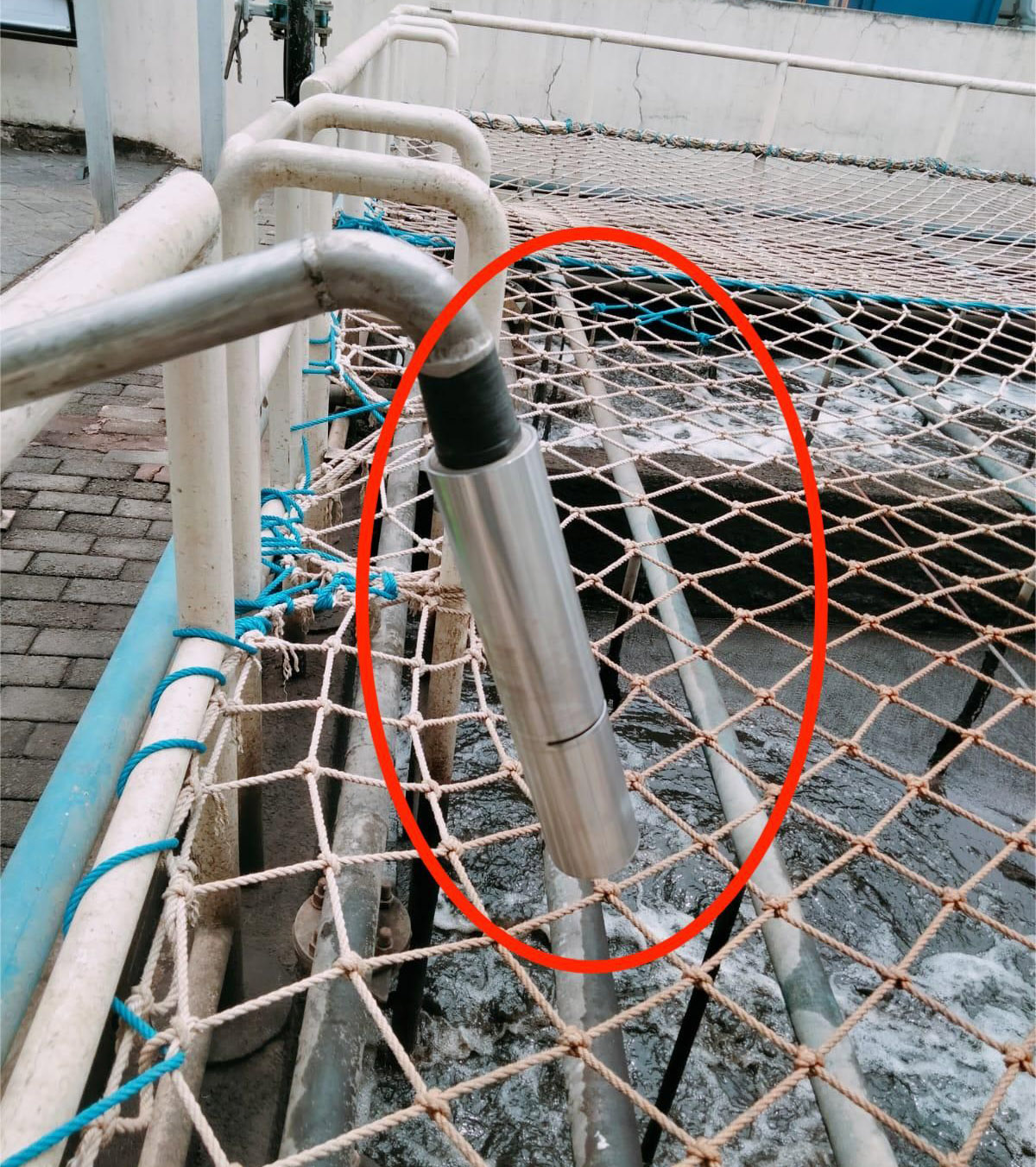
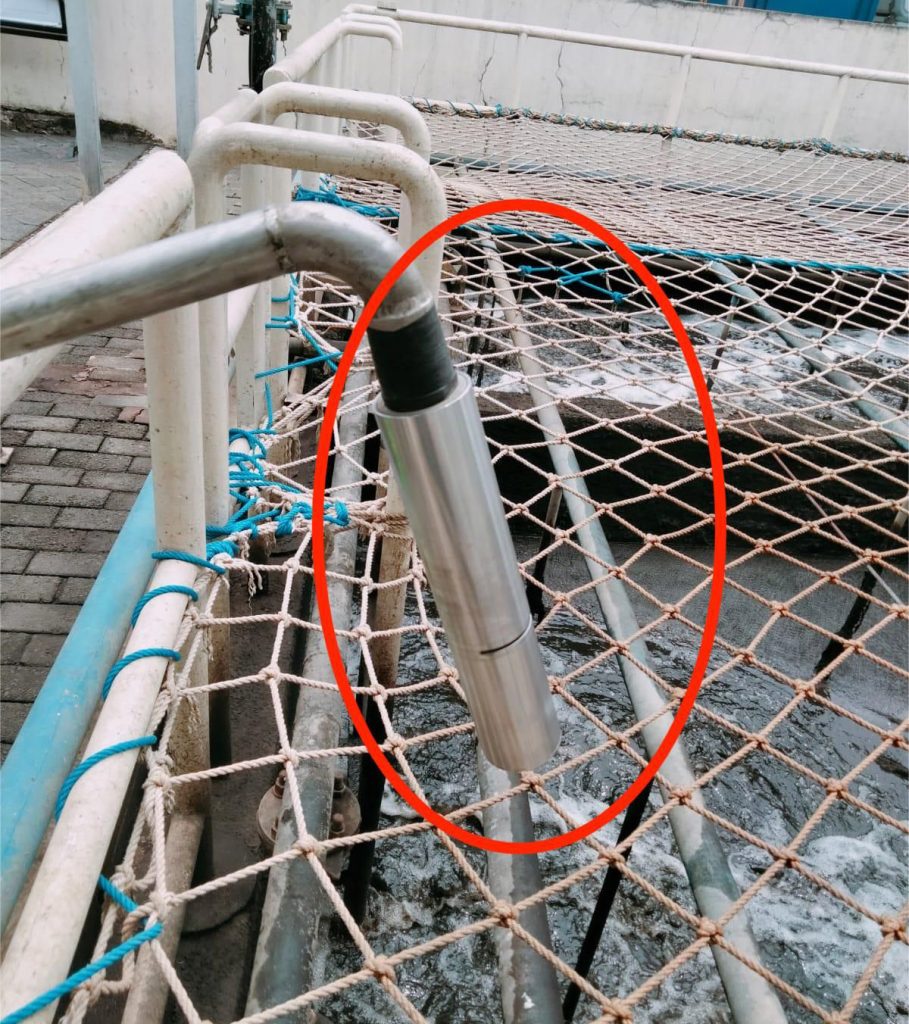
OPS’s sensor portfolio supports parameters such as:
- pH, ORP
- Dissolved oxygen (DO)
- Conductivity
- Turbidity
- Ammonium and nitrate
- Oil-in-water
- Chlorophyll and algae indicators
- PAH
- Turbidity
- COD
- BOD
- TSS
- TOC
These sensors are built for 24/7 operation in harsh environments, including wastewater plants, marine systems, and industrial discharge points.
Engineering Comparison: What Matters in Real Projects
| Criteria | Spectrophotometer | Sensor |
|---|---|---|
| Measurement mode | Discrete, sample-based | Continuous, real-time |
| Automation | Limited | High |
| Reagents | Required | Typically reagent-free |
| Maintenance frequency | High | Low to medium |
| Integration | Laboratory systems | PLC / SCADA / DCS |
| Typical location | Lab / shelter | In-pipe / in-tank / open water |
From a system design standpoint, the availability of data and system uptime often outweigh marginal gains in analytical precision.
Accuracy vs Process Control
Spectrophotometers provide high analytical accuracy under controlled conditions and are often referenced in regulatory standards. However, they are not designed to respond instantly to process fluctuations.
Sensors, while optimized for field robustness rather than laboratory precision, offer:
- Instant response
- Continuous trend tracking
- Alarm triggering
- Real-time control feedback
For applications such as wastewater treatment optimization, EGCS discharge monitoring, or industrial effluent control, real-time data is essential for operational decision-making.
Total Cost of Ownership (TCO)
From a lifecycle perspective, the cost structure differs significantly:
Spectrophotometer Systems
- Reagent consumption
- Manual sample handling
- Higher maintenance workload
- Chemical waste disposal
Sensor-Based Systems
- One-time hardware investment
- Periodic calibration
- Optional automatic cleaning systems
- Minimal consumables
OPS designs its online sensors with anti-fouling materials, digital signal processing, and optional automatic cleaning, significantly reducing long-term operational costs.
Integration with Industrial Automation
Modern water monitoring systems require seamless integration. OPS sensors are designed with industrial compatibility in mind, supporting:
- RS485 / MODBUS RTU
- 4–20 mA outputs
- SCADA and PLC systems
- Remote monitoring platforms
This makes sensor-based solutions ideal for unmanned stations, marine installations, and remote monitoring sites.
Typical Application Scenarios
Spectrophotometer-Oriented Use Cases
- Laboratory compliance testing
- Reference measurements
- Regulatory reporting
- Method validation
Sensor-Oriented Use Cases
- Wastewater treatment plants
- Industrial discharge monitoring
- Marine and offshore monitoring
- EGCS and scrubber systems
- Environmental monitoring networks
OPS’s Recommended Approach
In many large-scale projects, OPS recommends a combined monitoring strategy:
- Online sensors for continuous monitoring, alarms, and process control
- Spectrophotometric analysis for periodic verification and regulatory reporting
This hybrid architecture balances operational efficiency, data reliability, and compliance requirements, and has been successfully deployed in municipal, industrial, and marine applications worldwide.
Technology Should Match the Application
At OPS, we believe that no single technology fits all scenarios.
- Spectrophotometers provide analytical certainty.
- Sensors provide operational intelligence.
Understanding the difference allows system designers and operators to build monitoring solutions that are accurate, reliable, and economically sustainable.
Our role as a manufacturer is not just to supply instruments, but to help customers select the right technology for the right application.
Tags: spectrophotometer vs sensor, water quality monitoring sensor, online water quality sensor, industrial water quality monitoring, wastewater monitoring sensors, EGCS water quality monitoring, oil in water sensor, multiparameter water quality probe, online water quality analyzer, OPS water sensors, Suppliers, manufacturers, factory, wholesale, buy, price, quotation, bulk, for sale, companies, stock, cost.
Related Product
https://opticaldosensor.com/product-center