
With the development of the aquaculture industry, Recirculating Aquaculture Systems (RAS) have gradually become an essential technology for improving farming efficiency, reducing environmental pollution, and enhancing water quality management. In these systems, water is reused through circulation to maintain water quality stability and ecological balance, making water quality monitoring and management crucial. This article will dive into the water quality monitoring parameters in RAS and the sensor technologies used, helping farmers better manage water quality and optimize the farming environment.
1. Introduction to Recirculating Aquaculture Systems
A Recirculating Aquaculture System (RAS) is a technology that removes pollutants from the farming water through physical, chemical, and biological treatment methods, before returning the water to the aquaculture tanks. This system significantly reduces water wastage and environmental pollution while maintaining a controlled and stable farming environment. By precisely controlling water quality parameters, RAS ensures optimal conditions for farmed species and minimizes the risk of waterborne diseases.
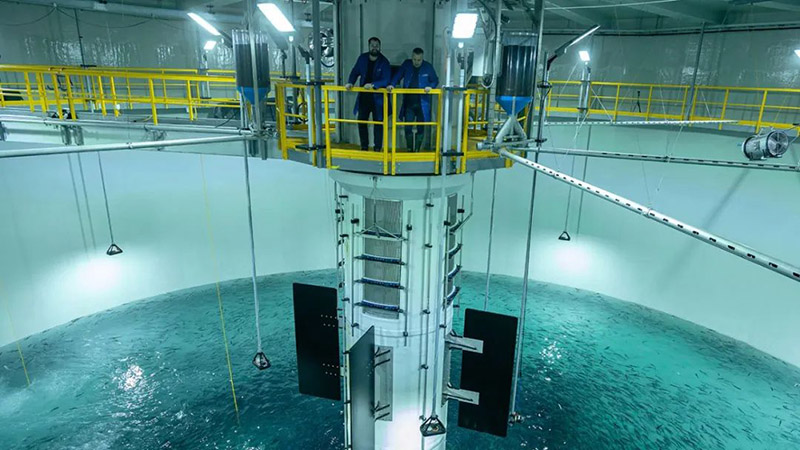
Typically, RAS systems consist of several key components: water pumps, filtration systems, gas exchange devices, temperature control equipment, and water quality monitoring systems. These components work together to maintain the best conditions for aquatic animals and ensure the system runs efficiently.
2. Water Quality Monitoring Parameters in Recirculating Aquaculture Systems
Water quality stability is key to successful aquaculture, and water quality monitoring is a necessary tool to ensure optimal conditions for farmed species. In RAS, several water quality parameters are most important to monitor.
(1) Dissolved Oxygen
Dissolved oxygen (DO) is the concentration of oxygen dissolved in water, and it is one of the most crucial parameters in aquaculture. Aquatic animals need oxygen to sustain their physiological functions, especially fish and shrimp. If the dissolved oxygen concentration is too low, it may lead to suffocation, death, or stunted growth. In general, the dissolved oxygen level should be maintained at above 5 mg/L to ensure normal respiration for farmed species.
(2) pH Level
pH is a measure of the acidity or alkalinity of water, influencing chemical reactions and the growth of aquatic animals. Fluctuations in pH can cause harmful substances like ammonia to become more toxic, and may even affect the immune system of farmed species. Ideally, the pH of farming water should be kept between 6.5 and 8.5. Both low and high pH levels can adversely affect aquatic animals.
(3) Ammonia Nitrogen
Ammonia nitrogen (NH3-N) is a common nitrogenous compound in water, originating from the excreta of aquatic animals, uneaten feed, and organic matter decomposition. When ammonia nitrogen concentrations become too high, it can be highly toxic to aquatic species, especially when pH levels are high and ammonia gas (NH3) enters the organisms. Ammonia nitrogen levels should always be kept within safe limits, typically below 0.5 mg/L.
(4) Temperature
Water temperature plays a vital role in the growth, reproduction, and metabolism of aquatic animals. Different species of aquatic animals require different temperature ranges, and exceeding these ranges can lead to growth stagnation or mortality. High temperatures can also reduce the dissolved oxygen concentration in water, causing stress in aquatic animals, while low temperatures can slow down their growth. The water temperature should be kept within the species’ optimal range.
(5) Salinity
Salinity refers to the concentration of dissolved salts in water and affects the osmoregulation of aquatic animals. In marine aquaculture, salinity is a crucial parameter to monitor. In a recirculating aquaculture system, maintaining stable salinity is important for the health and growth of farmed species. Different species have different salinity requirements, so adjustments should be made based on the specific needs of the species being farmed.
(6) Turbidity
Turbidity refers to the concentration of suspended particles in water and directly affects water transparency. When the water is turbid, the efficiency of photosynthesis decreases, which reduces the oxygen supply for aquatic animals. High turbidity can also lead to the accumulation of harmful substances in the water, posing a risk to the health of the farmed species. Therefore, turbidity should be kept within an appropriate range, generally below 20 NTU (Nephelometric Turbidity Units).
3. Water Quality Monitoring Sensors for Aquaculture
To monitor water quality in real-time, modern recirculating aquaculture systems are typically equipped with various sensors to measure different water quality parameters. These sensors provide accurate data, helping farmers adjust water quality as needed to ensure the health and growth of the farmed species. Below are some common water quality monitoring sensors.
(1) Dissolved Oxygen Sensor
Dissolved oxygen sensors are used to measure the oxygen concentration in water. There are two common types of dissolved oxygen sensors: electrochemical and optical. Electrochemical sensors measure the current generated by the reaction of oxygen at the electrode surface, while optical sensors use optical principles to measure dissolved oxygen. These sensors help farmers monitor oxygen levels and avoid oxygen depletion.
OPS DS380 fluorescent dissolved oxygen sensors use a new generation of fluorescence lifetime technology and high-performance fluorescent materials. No oxygen consumption, No flow rate limitation, no electrolyte, no maintenance and calibration, no interference from hydrogen sulfide, and excellent stability. Built-in temperature sensor, automatic temperature compensation. An RS485 output can be networked without a controller.
DS380 Fluorescent Dissolved Oxygen Sensor
(2) pH Sensor
pH sensors are used to monitor the acidity or alkalinity of water. These sensors work by using electrodes to measure the hydrogen ion concentration in the water, thereby determining the pH level. Various types of pH sensors can be chosen based on the farming environment and needs, offering high precision and rapid response.
Digital pH Sensor
(3) Ammonia Nitrogen Sensor
Ammonia nitrogen sensors are used to accurately measure ammonia nitrogen concentration in water. These sensors typically use electrochemical principles to measure the current generated by the reaction of ammonia in the water with the electrodes. Ammonia nitrogen sensors help farmers detect excessive ammonia levels and adjust the water quality accordingly.
Ammonia Nitrogen Sensor
(4) Temperature Sensor
Temperature sensors are widely used to monitor the temperature of the farming water. Common temperature sensors include thermocouples and thermistor-based sensors. Temperature sensors provide real-time data on water temperature and help ensure it stays within the optimal range for farmed species.
(5) Salinity Sensor
Salinity sensors are used to monitor the salt concentration in the water, especially in marine aquaculture systems. These sensors typically work on the principle of electrical conductivity, where the conductivity of the water is used to estimate salinity levels. Farmers can use salinity sensors to monitor and adjust salinity to meet the needs of the farmed species.
DS280 Water Salinity Sensor Digital Salinity Probe
(6) Turbidity Sensor
Turbidity sensors are used to measure the clarity of water by detecting the concentration of suspended particles. These sensors typically work by measuring the scattering and absorption of light by particles in the water. Turbidity sensors help farmers monitor water clarity and take appropriate measures if the water becomes too turbid.
Online Turbidity Sensor
Water quality monitoring in recirculating aquaculture systems is essential for ensuring farming success and the health of aquatic animals. By selecting and using various water quality monitoring sensors, farmers can keep track of changes in water quality and take timely actions to maintain optimal conditions for farmed species. With the advancement of technology, water quality monitoring will continue to play a vital role in aquaculture, providing solid support for the sustainable development of the industry.
Tags: Water Quality Monitoring Parameters, Recirculating Aquaculture Systems, water quality monitoring sensors, Dissolved Oxygen Sensor, Salinity Sensor, Turbidity Sensor, Suppliers, manufacturers, factory, wholesale, buy, price, quotation, bulk, for sale, companies, stock, cost.
Related Blogs:
Top 13 Commonly Used Water Quality Sensors in Aquaculture
Large Outdoor Shrimp Ponds Water Quality Monitoring and Management
Benefits of Adopting Optical Dissolved Oxygen Sensors in Aquaculture Industry
Related Videos:
To send An Enquiry Now: