
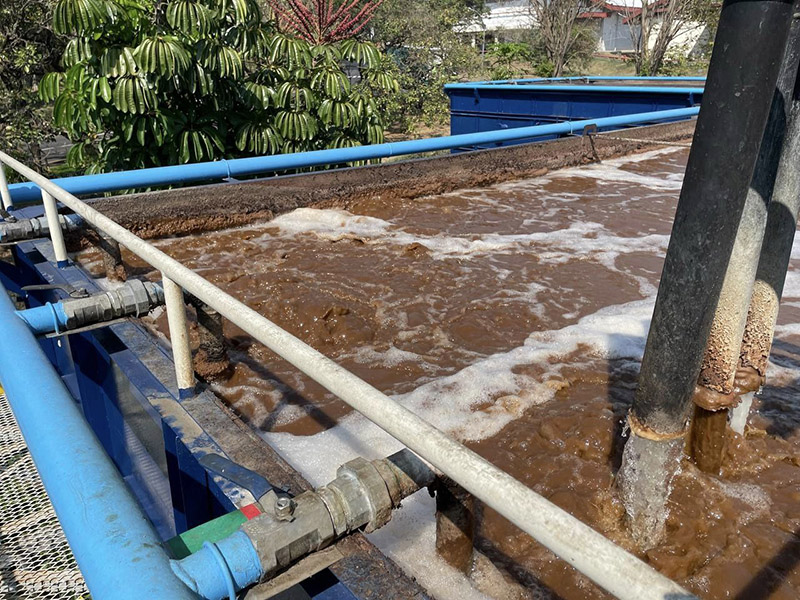
Wastewater treatment is crucial to modern water resource management, ensuring that water bodies are not polluted, protecting the ecosystem, and safeguarding human health. As environmental protection requirements continue to rise, water quality monitoring in wastewater treatment has become a vital step. Monitoring water quality helps optimize wastewater treatment processes and ensures that the effluent meets national and local environmental standards, thereby reducing the negative impact on the environment.
This article will explore the parameters involved in monitoring effluent water quality in wastewater treatment, analyzing the role of various monitoring indicators and the application of related sensors.
1, The Importance of Water Quality Monitoring in Wastewater Treatment
In the wastewater treatment process, one of the most critical steps is ensuring that the effluent meets quality standards. The quality of the effluent directly affects the degree of pollution in water bodies and its impact on the surrounding ecosystem. If the effluent does not meet the required standards, it can lead to water source pollution, ecological system damage, and potential risks to public health. Therefore, water quality monitoring in wastewater treatment is particularly important. The core roles of effluent water quality monitoring include:
Ensuring Environmental Compliance: Governments have strict standards for wastewater discharge, and monitoring effluent quality is key to determining whether wastewater treatment complies with environmental regulations.
Optimizing the Treatment Process: Real-time monitoring of water quality parameters allows for the timely detection of problems in the treatment process, enabling adjustments to be made to ensure stable and compliant water quality.
Protecting Aquatic Ecosystems: Timely monitoring of pollutant concentrations in effluent helps prevent untreated or improperly treated wastewater from entering natural water bodies, avoiding ecological damage.
Reducing Environmental Risks: Harmful substances in wastewater can have long-term negative effects on biological and ecological systems. Effective effluent monitoring helps minimize these potential environmental risks.
2, Parameters to Monitor for Effluent in Wastewater Treatment
Effluent water quality monitoring typically involves a range of physical and chemical indicators, which reflect the degree of pollution in the water and its potential environmental impact. The following are common parameters to monitor in wastewater treatment effluent:
COD (Chemical Oxygen Demand)
Chemical oxygen demand (COD) is an important indicator of the organic pollution level in water, reflecting the amount of oxygen required to oxidize organic matter in the water. The higher the COD value, the more organic pollution the water contains. The removal efficiency of COD in wastewater treatment directly relates to the quality of the effluent and must be strictly monitored.
BOD (Biochemical Oxygen Demand)
Biochemical oxygen demand (BOD) reflects the amount of oxygen required for the microbial degradation of organic matter in the water. It is a key indicator for evaluating the pollution level of the water and its self-purification ability. A higher BOD indicates a higher level of organic pollution in the water, requiring more oxygen for microbial decomposition.
TSS (Total Suspended Solids)
Total suspended solids (TSS) refer to the solid particles suspended in water. These particles affect the transparency of the water and can harm the growth of aquatic life. Monitoring TSS is essential for evaluating the removal of particulate matter in wastewater treatment.
pH
pH is the measure of the acidity or alkalinity of water, which directly affects the dissolved oxygen content and microbial activity in the water. After treatment, the effluent’s pH should be maintained within a reasonable range, as extreme pH values can negatively impact aquatic ecosystems.
Ammonia Nitrogen
Ammonia nitrogen is a common nitrogen pollutant in wastewater and is highly toxic, especially to aquatic organisms. High levels of ammonia nitrogen can lead to eutrophication of water bodies, affecting the stability of water quality.
Total Phosphorus
Total phosphorus is an important pollutant in wastewater. Excessive phosphorus can lead to eutrophication, triggering algal blooms that harm aquatic ecosystems. Monitoring total phosphorus is crucial to prevent eutrophication of water bodies.
Total Nitrogen
Total nitrogen is a comprehensive indicator of nitrogen pollution in wastewater. Nitrogen pollution, similar to ammonia nitrogen, can lead to water body pollution, eutrophication, and water quality degradation. Monitoring total nitrogen is necessary to prevent these issues.
3, Sensors for Monitoring Effluent in Wastewater Treatment
With the development of technology, various high-precision water quality monitoring sensors have become essential tools in wastewater treatment. These sensors can provide reliable data by continuously detecting various parameters in effluent. The following are common sensors used for effluent water quality monitoring:
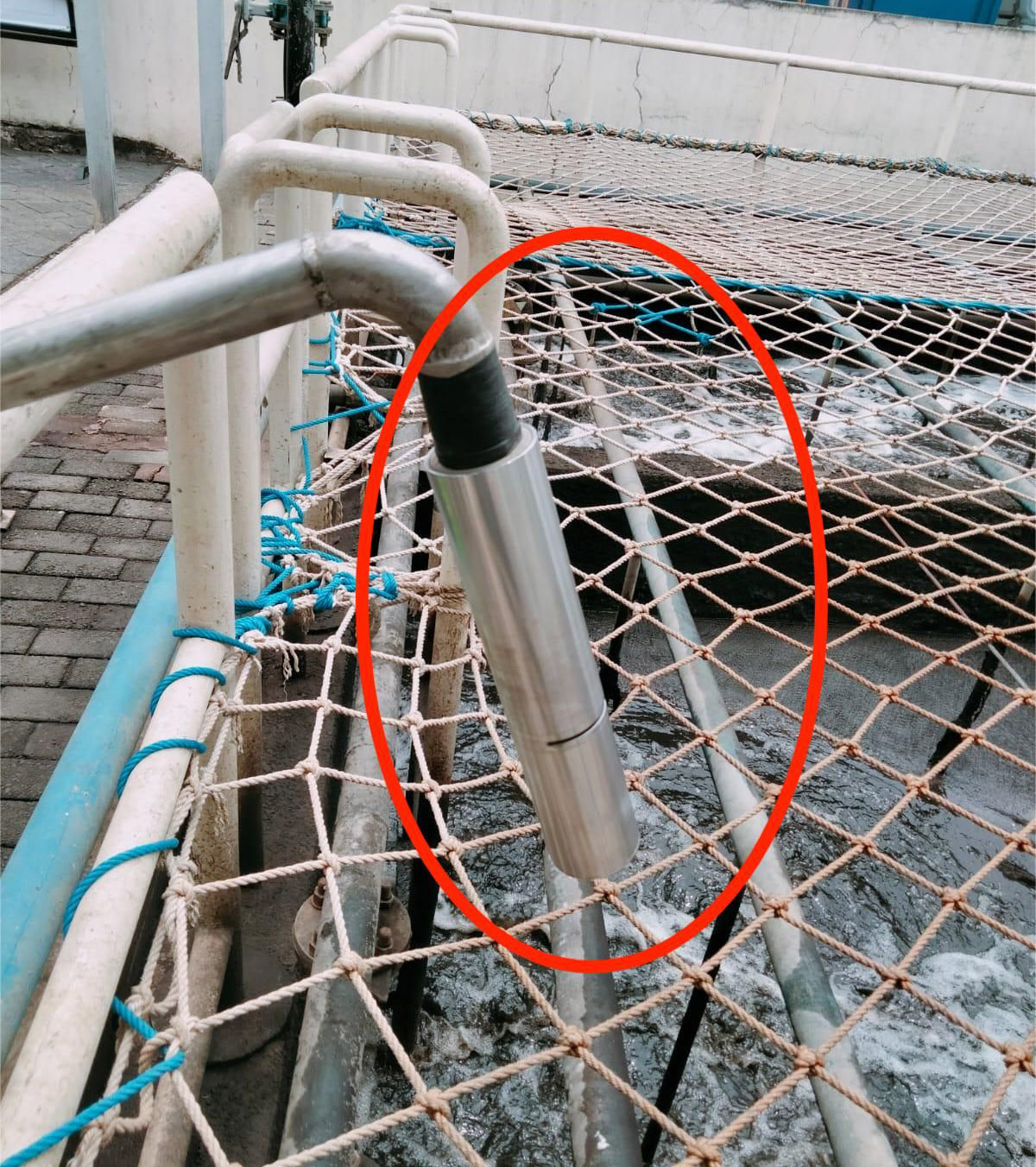
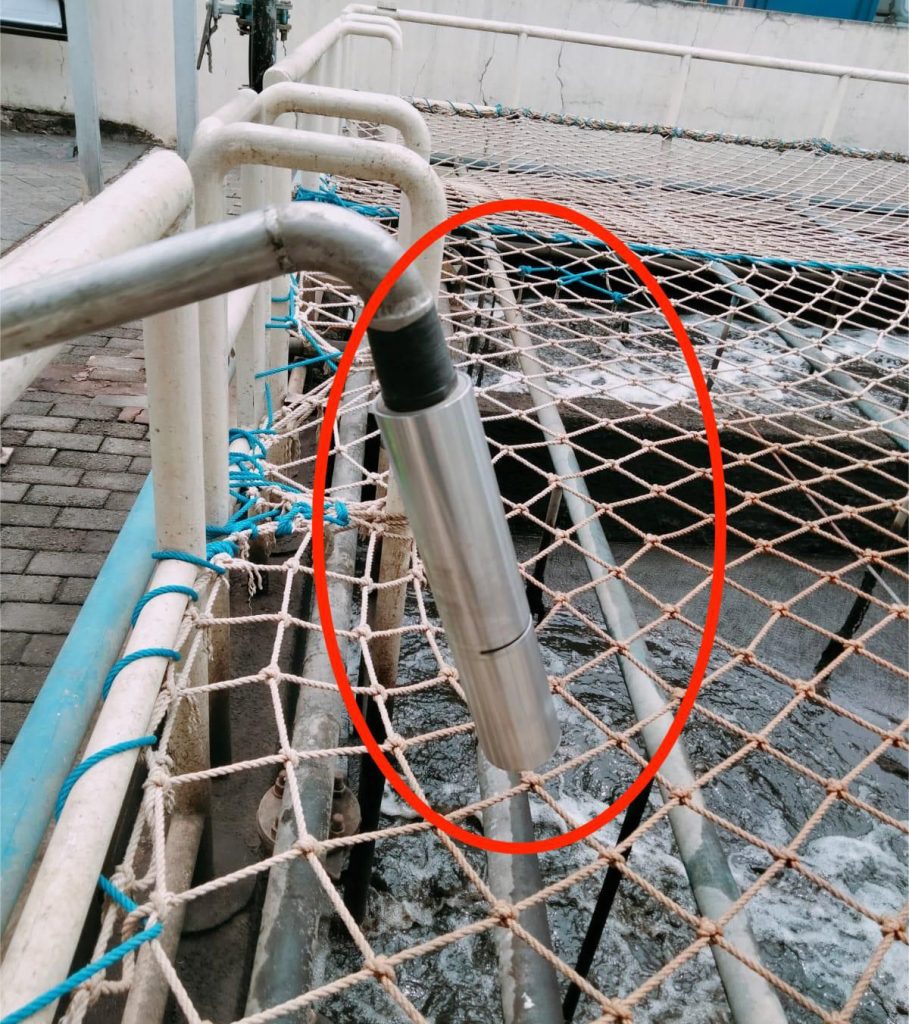
COD Sensor
COD sensors are used for real-time monitoring of the chemical oxygen demand in wastewater, providing an accurate reflection of the organic pollution level in the water. This sensor helps wastewater treatment plants assess treatment effectiveness and optimize the process.
Real-time Online COD BOD TSS Monitoring Sensor Probe
BOD Sensor
BOD sensors monitor the biochemical oxygen demand in water, assessing the organic pollution level in terms of microbial oxygen consumption. The sensor typically works by measuring changes in dissolved oxygen, which reflects the microbial decomposition process.
TSS Sensor
TSS sensors are used to measure the concentration of suspended solids in the water. This sensor helps monitor the removal of particulate matter from wastewater, ensuring the effluent meets quality standards.
pH Sensor
pH sensors monitor the acidity or alkalinity of water in real-time. By monitoring pH, these sensors ensure that the effluent maintains a pH within a suitable range, preventing any adverse impact on aquatic ecosystems.
Digital pH Sensor
Ammonia Nitrogen Sensor
Ammonia nitrogen sensors detect the concentration of ammonia nitrogen in wastewater. These sensors help monitor ammonia nitrogen levels to prevent pollution levels from exceeding acceptable thresholds, thus protecting water quality.
Ammonia Nitrogen Sensor
Total Phosphorus Sensor
Total phosphorus sensors are used to measure the concentration of phosphorus in wastewater. Monitoring phosphorus levels helps prevent eutrophication in water bodies, protecting water quality from excessive nutrient loading.
Total Nitrogen Sensor
Total nitrogen sensors monitor the concentration of total nitrogen in wastewater. This sensor helps detect nitrogen pollution levels in real-time, ensuring that the effluent meets regulatory standards and preventing water quality degradation.
Effluent water quality monitoring in wastewater treatment is a vital process for ensuring compliance with environmental regulations and protecting ecosystems. By monitoring parameters such as COD, BOD, TSS, pH, ammonia nitrogen, total phosphorus, and total nitrogen, wastewater treatment plants can achieve comprehensive control over water quality and ensure that effluent meets national and local environmental standards. The application of modern sensor technologies has made water quality monitoring more accurate and efficient, providing strong support for the sustainable use of water resources and environmental protection.
Wastewater treatment is not only a technical process but also a necessary measure for environmental protection. Effective water quality monitoring ensures that ecological environments and human health are not threatened by pollution, paving the way for a greener and more sustainable future.
Tags: Water quality monitoring in wastewater treatment, monitoring effluent water quality, effluent water quality monitoring, monitoring effluent water quality in wastewater treatment, COD Sensor, BOD Sensor, TSS Sensor, pH Sensor, Ammonia Nitrogen Sensor, Suppliers, manufacturers, factory, wholesale, buy, price, quotation, bulk, for sale, companies, stock, cost.
Related Blogs:
Top 9 Water Quality Sensors For Wastewater Treatments
28 sets COD Sensors were Ready to ship to India for sewage treatment
What are Online COD BOD TSS analyzers?
Related Videos:
To send An Enquiry Now: