
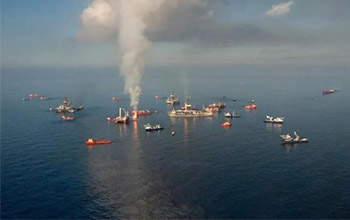
In the second half of 2024, the No. 10 Oil Production Plant of Daqing Oilfield conducted a large-scale water surface oil spill emergency drill on the Songhua River at the Xingkaikou Wharf in Linjiang Township, Shuangcheng District, Harbin. This was the largest Songhua River oil spill emergency drill in the past five years. The operation involved 10 rescue vessels and 35 vehicles of various types. It covered four key stages: detecting the leak and initiating the emergency plan, on-site rescue and deployment of oil booms, oil recovery, and pollution elimination, and accident assessment and production recovery. The drill successfully eliminated potential water oil spill hazards. This large-scale drill serves as a powerful reminder of the critical importance of real-time water surface oil spill detection.

The Importance of real-time water surface oil spill detection is reflected in the following aspects:
1, Environmental Protection
Oil spill accidents can severely damage water bodies, marine environments, and coastal ecosystems. Toxic substances in oil can lead to the death of aquatic life, ecosystem imbalance, and even threaten endangered species. Real-time detection enables rapid identification of spill locations and spread patterns, allowing timely measures to mitigate environmental impact.
2, Reducing Economic Losses
Oil spill incidents can significantly impact fisheries, tourism, and coastal industries, while cleanup costs can be exorbitant. Real-time detection facilitates quicker response and cleanup operations, reducing the duration of the incident and minimizing both direct and indirect economic losses.
3, Protecting Public Health
The toxic substances in oil spills can spread through water and air, posing health risks to nearby residents. Real-time monitoring can promptly issue warnings, aiding in the implementation of measures to protect public health.
4, Enhancing Emergency Response Capability
Oil spills spread rapidly, especially under adverse weather conditions such as wind and waves. Real-time monitoring systems provide accurate information on the spill’s location and dynamic changes, enabling emergency teams to deploy equipment and personnel more effectively and efficiently.
5, Facilitating International Cooperation and Regulatory Compliance
Many countries and regions have stringent laws and international conventions regarding oil spill incidents. Real-time monitoring assists stakeholders in timely reporting and handling of incidents, avoiding legal disputes and international conflicts.
6, Advancing Technology Development and Application
Real-time oil spill detection drives the development of advanced sensing technologies, remote sensing, and artificial intelligence, contributing to broader environmental monitoring capabilities.
7, Supporting Decision-Making
Real-time oil spill monitoring systems provide decision-makers with dynamic data, including spill spread speed, direction, range, and environmental conditions. This data helps optimize emergency response plans, such as selecting appropriate cleanup technologies (e.g., absorbents, chemical dispersants, or bioremediation) and controlling the impact of the incident in the shortest time possible.
8, Preventing Secondary Pollution
Traditional oil spill treatment methods may cause secondary pollution, such as excessive use of chemical dispersants or improper handling of cleanup equipment. Real-time detection technology helps monitor the cleanup process, ensuring that the chosen methods minimize adverse environmental impacts.
9, Protecting Critical Infrastructure
Oil spill incidents can threaten key infrastructure such as ports, refineries, and offshore drilling platforms. Real-time detection can identify potential accidents early and allow timely measures to safeguard these facilities, reducing the likelihood of secondary disasters.
10, Promoting Technological Innovation and Industry Development
Real-time oil spill detection relies on advanced technologies such as satellite remote sensing, drone monitoring, intelligent sensors, and data analysis algorithms. These advancements not only drive innovation in environmental technology but also stimulate the growth of related industries, creating opportunities for tech companies and research institutions.
Real-time water surface oil spill detection is indispensable in addressing environmental crises, improving management efficiency, and promoting technological progress. As technology advances, real-time detection will provide stronger support for ecological protection, sustainable economic development, and social stability.
The latest non-contact water surface oil spill detection sensor developed by OPS enables real-time, 24/7 monitoring of water surface oil spills. It can detect a 1 μm thick layer of oil on the water’s surface at a distance of 0.5-10 meters above it.
Learn more: https://opticaldosensor.com/product/non-contact-oil-spill-detection-sensor/
Tags: Water Surface Oil Spill Detection, Oil Spill Detection, Oil Spill Detection sensor, real-time oil spill detection, Real-time oil spill monitoring, Suppliers, manufacturers, factory, wholesale, buy, price, quotation, bulk, for sale, companies, stock, cost.
Related Blogs:
Advantages and Techniques of Remote Sensing for Oil Spill Detection
Three types of oil sensors: Oil in Water Sensor, PAH Sensor, and Oil Spill Detector Sensor
Oil Leaks or Spills Detecting Methods and Sensors
To send An Enquiry Now: