Author name: OPS-Lily

Heavy Oil and Light Oil

Understanding Heavy Oil and Light Oil: A Complete Guide

What Are Heavy Oil and Light Oil? In the oil and gas industry, “light” and “heavy” refer to the density and viscosity of crude oil, not its color. These properties affect how easily the oil flows, how it is refined, and its economic value. Light crude oil: Flows easily and has lower density and viscosity. […]

Understanding Heavy Oil and Light Oil: A Complete Guide Read More »

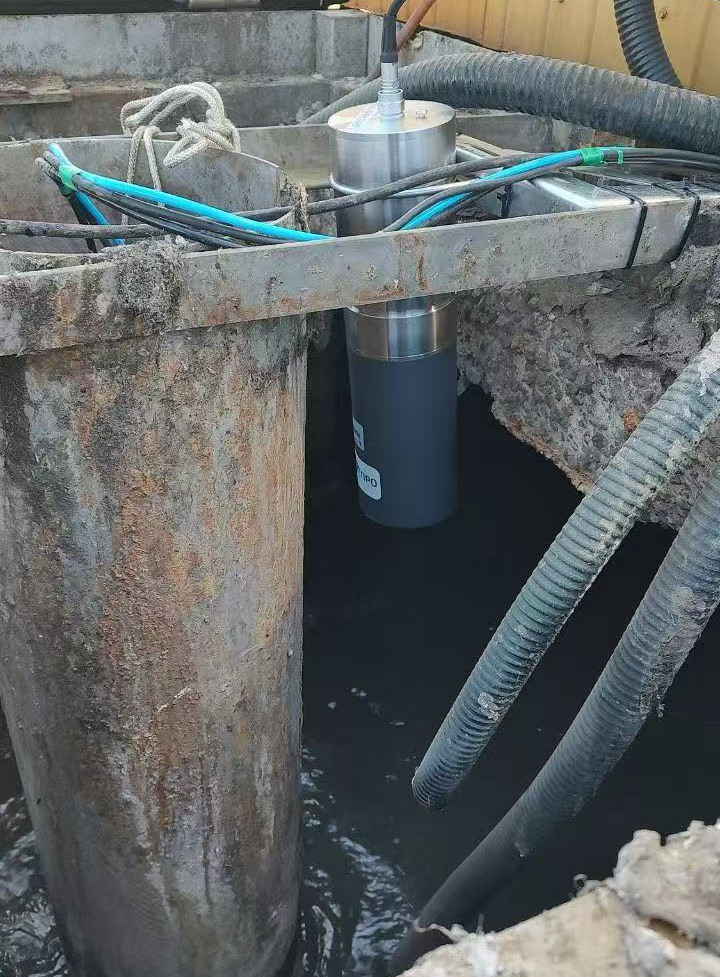
Oil Spill Detector-OPS

How UV Fluorescence Non-contact Oil Spill Detectors Revolutionize Marine Pollution Monitoring

Oil spills pose a significant threat to marine ecosystems, necessitating rapid and accurate detection methods. Traditional detection techniques often fall short in sensitivity and response time. Enter UV fluorescence non-contact oil spill detectors—a technological advancement that is transforming how we monitor and respond to marine pollution. Understanding UV Fluorescence in Oil Detection Certain hydrocarbons emit

How UV Fluorescence Non-contact Oil Spill Detectors Revolutionize Marine Pollution Monitoring Read More »

OPS Non-Contact Oil Spill Monitoring System: A Smart Eye for Marine Spill Detection

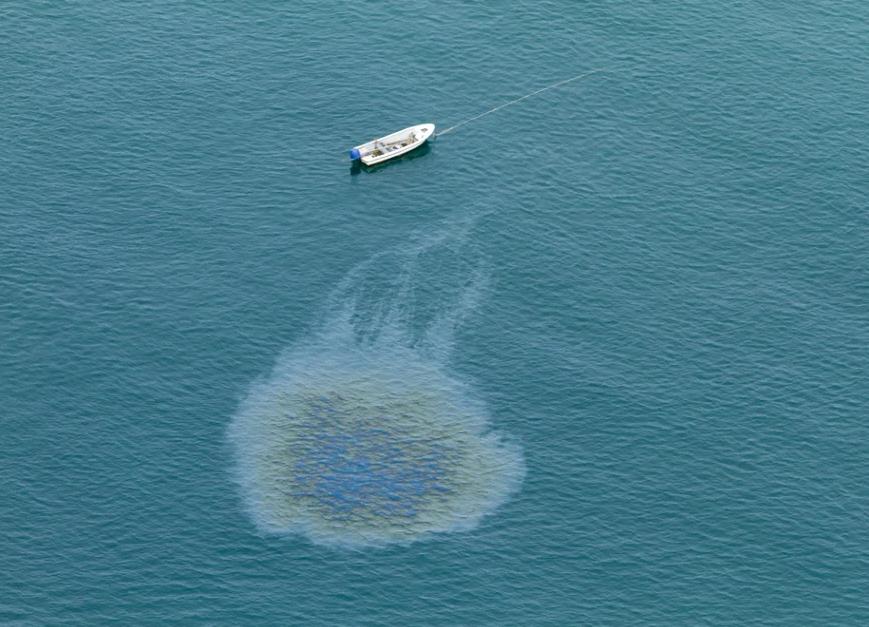
In the vast expanse of the ocean, even a single drop of leaked oil can escalate into an ecological disaster. From offshore drilling and subsea pipelines to oil tanker transport, oil spill risks are embedded in every link of the petroleum supply chain. Confronting these “black ghosts” of pollution requires more than just cleanup—it demands

OPS Non-Contact Oil Spill Monitoring System: A Smart Eye for Marine Spill Detection Read More »

RS422, RS232, and RS485 Modbus

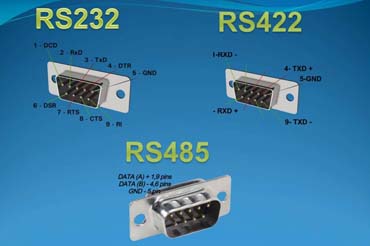
What Is the Difference Between RS422, RS232, and RS485 Modbus?

Modbus is a widely adopted serial communication protocol in industrial automation. However, understanding how Modbus works across different physical layers—RS232, RS422, and RS485—can be confusing for engineers, system integrators, and maintenance teams. In this article, we’ll break down the differences between RS232, RS422, and RS485 Modbus, their strengths, and how to convert between them effectively.

What Is the Difference Between RS422, RS232, and RS485 Modbus? Read More »

OPS at IE expo China 2025

OPS Advanced Water Quality Sensors at IE expo China 2025 | Precision Monitoring for a Better Environment

On April 21, 2025, the 26th edition of IE expo China, Asia’s leading environmental technology trade fair, officially opened at the Shanghai New International Expo Centre. This premier event brings together cutting-edge technologies and solutions across sectors such as water, waste, air, and soil, attracting industry experts, corporate leaders, and professionals from around the globe

OPS Advanced Water Quality Sensors at IE expo China 2025 | Precision Monitoring for a Better Environment Read More »

monitoring effluent water quality in wastewater treatment

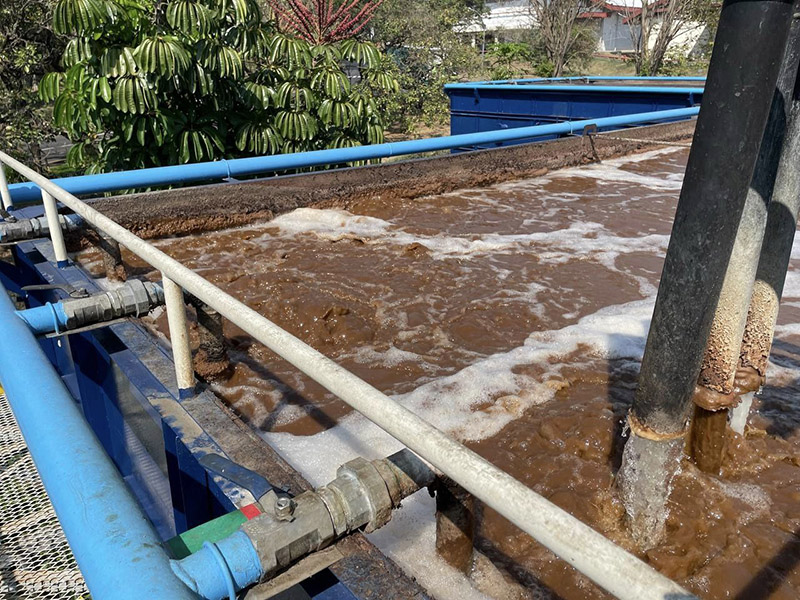
What Parameters Should Be Monitored for Effluent in Wastewater Treatment?

Wastewater treatment is crucial to modern water resource management, ensuring that water bodies are not polluted, protecting the ecosystem, and safeguarding human health. As environmental protection requirements continue to rise, water quality monitoring in wastewater treatment has become a vital step. Monitoring water quality helps optimize wastewater treatment processes and ensures that the effluent meets

What Parameters Should Be Monitored for Effluent in Wastewater Treatment? Read More »

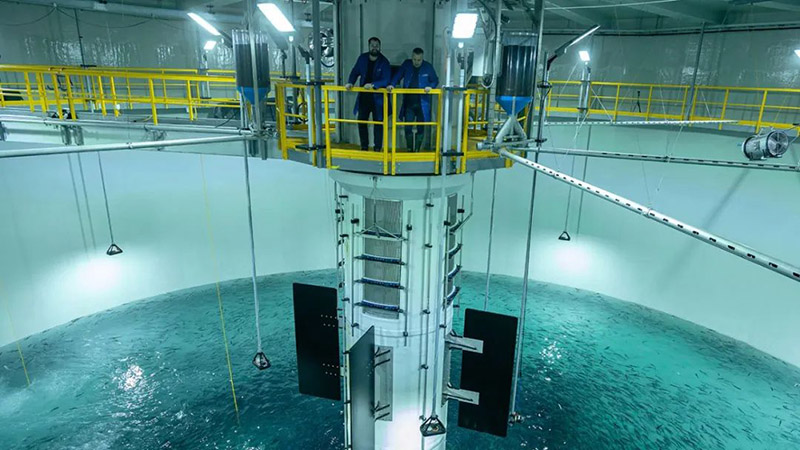
What are the Water Quality Monitoring Parameters in Recirculating Aquaculture Systems?

With the development of the aquaculture industry, Recirculating Aquaculture Systems (RAS) have gradually become an essential technology for improving farming efficiency, reducing environmental pollution, and enhancing water quality management. In these systems, water is reused through circulation to maintain water quality stability and ecological balance, making water quality monitoring and management crucial. This article will

What are the Water Quality Monitoring Parameters in Recirculating Aquaculture Systems? Read More »

Surface Oil Spill Monitoring and Alarm System

Surface Oil Spill Monitoring and Alarm System Enhances Emergency Response Capabilities

Surface oil spill pollution is a global environmental concern, particularly in marine environments, ports, oil fields, and industrial zones. Oil spill incidents severely damage aquatic ecosystems and impact fisheries, tourism, and the livelihoods of coastal communities. Traditional oil spill monitoring methods, such as manual inspections, laboratory testing, and satellite remote sensing, often suffer from delays,

Surface Oil Spill Monitoring and Alarm System Enhances Emergency Response Capabilities Read More »

Modern Oil Spill Detectors

Oil Spill Detectors vs. Traditional Methods: Which Is More Effective?

Managing oil spills is a critical task that requires precision, speed, and reliability. For decades, traditional methods have been the backbone of oil spill detection and response. However, with technological advancements, modern oil spill detectors are gaining traction as a more effective solution. But how do these methods compare? Let’s dive deeper to explore their

Oil Spill Detectors vs. Traditional Methods: Which Is More Effective? Read More »

Real-Time Water Surface Oil Spill Detection

The Importance of Real-Time Water Surface Oil Spill Detection

In the second half of 2024, the No. 10 Oil Production Plant of Daqing Oilfield conducted a large-scale water surface oil spill emergency drill on the Songhua River at the Xingkaikou Wharf in Linjiang Township, Shuangcheng District, Harbin. This was the largest Songhua River oil spill emergency drill in the past five years. The operation

The Importance of Real-Time Water Surface Oil Spill Detection Read More »

Update cookies preferences
Please click here to leave your message. We will reply you as soon as possible.