
In the vast expanse of the ocean, even a single drop of leaked oil can escalate into an ecological disaster. From offshore drilling and subsea pipelines to oil tanker transport, oil spill risks are embedded in every link of the petroleum supply chain. Confronting these “black ghosts” of pollution requires more than just cleanup—it demands early warning and real-time detection. That’s where OPS’s Non-Contact Oil Spill Monitoring System comes in.
Oil Spill Types in Offshore Operations: Silent but Dangerous
Before tackling a spill, it’s vital to understand where it may come from:
Drilling Completion Spills: Equipment aging or operational mishaps can lead to early-stage leakage.
Subsea Pipeline Spills: Corrosion and geological stress pose constant, hidden threats.
Oil Tanker Spills: Collisions, capsizing, or loading/offloading errors can cause massive oil discharge.
Despite the variety of threats, traditional monitoring methods are often manual, delayed, and limited in coverage. The need for smarter, automated, and wide-range solutions is urgent.
Advanced Detection | OPS’s Non-Contact UV Fluorescence Oil Spill Sensor
OPS’s cutting-edge solution is a non-contact UV fluorescence oil spill detection sensor specifically designed for real-time monitoring of oil contamination on water surfaces.
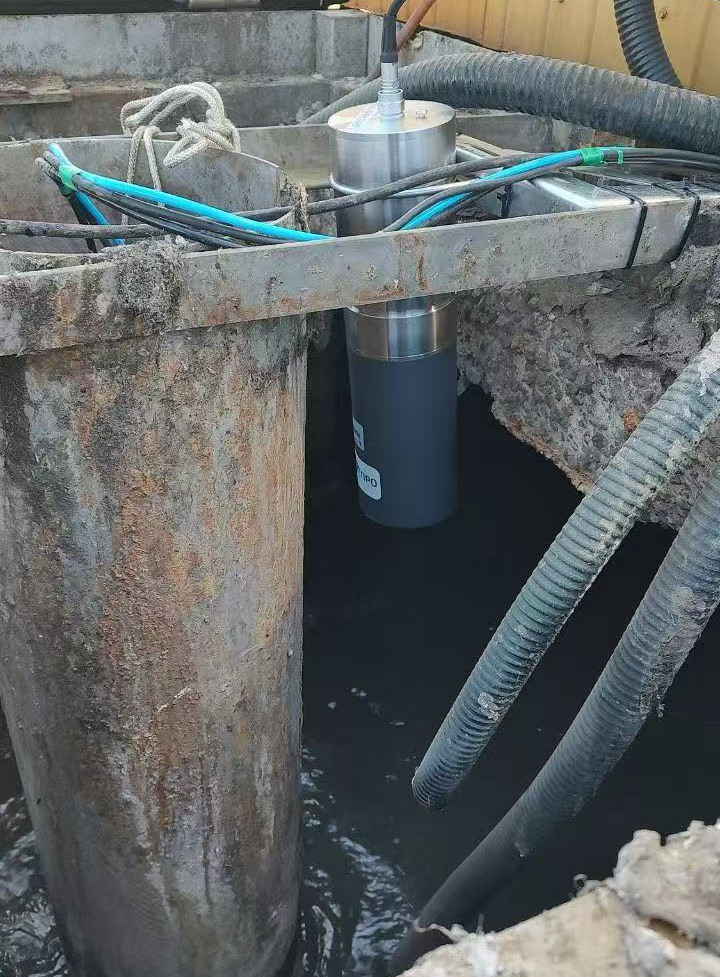
How It Works?
This sensor detects the natural fluorescence signature of hydrocarbons, enabling precise identification of multiple oil types. When potential spills are detected, it immediately triggers alerts for early intervention.
Key Features & Technical Advantages
-Non-contact detection from 0–10 meters above the water
-High sensitivity – detects oil layers as thin as 1 micron
-24/7 continuous online monitoring
-IP68-rated waterproof design for harsh marine environments
-Long service life for long-term deployment
-RS-485 signal output for easy system integration
Whether deployed on platforms, ports, or vessel fleets, this system enables wide-area oil spill monitoring with zero physical contact, making it ideal for modern offshore operations.
Responding to Spills: Detection is Just the First Step
Once oil is detected, rapid containment and cleanup become critical. The key response mechanisms:
Oil Containment Booms: Prevent oil spread by quickly enclosing the spill zone.
Skimmers: Efficiently recover oil across various sea states.
In-situ Burning: Remove surface oil through controlled combustion in specific conditions.
This seamless coordination between monitoring and response dramatically reduces environmental damage and operational downtime.
From Reactive to Proactive: The Future of Marine Environmental Protection
The shift from experience-driven to technology-driven oil spill control is accelerating. With OPS’s non-contact oil spill monitoring system, no surface anomaly goes unnoticed. This is not just detection—it’s real-time environmental intelligence, built to protect oceans, industries, and ecosystems.
Contact OPS today for detailed technical specs, real-world case studies, and tailored monitoring solutions.
Tags: oil spill monitoring system, offshore oil spill detection, non-contact oil detection, marine environmental monitoring technology, real-time oil spill alert, UV fluorescence oil sensor, oil leak monitoring, oil film identification, marine pollution surveillance, oil spill early warning system, continuous oil monitoring, automated water surface oil detection.
Related Product
UV Fluorescence Non-contact Oil Spill Detection Sensor
Video
To send An Enquiry Now: