Oil in Water Analyzers in Wastewater Treatment

Top 5 Benefits of Using Oil in Water Analyzers in Wastewater Treatment

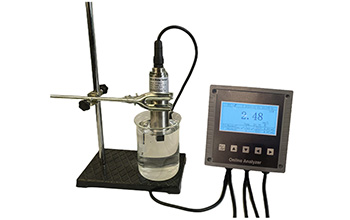
Oil-in-water analyzers play a crucial role in providing real-time data and insights into oil concentrations, facilitating effective treatment strategies. In wastewater treatment, the efficient removal of contaminants, including oils and hydrocarbons, is essential to ensure environmental compliance and the protection of water resources. This article explores the top five benefits of using oil in water […]

Top 5 Benefits of Using Oil in Water Analyzers in Wastewater Treatment Read More »
Short Description About COD Sensors Market

The Global COD Sensors market is growing at a steady rate, and with key players’ rising adoption of strategies, the market is expected to rise over the projected horizon. Which regions are leading the COD Sensors Market? -Asia-Pacific (China, Japan, Korea, India, Australia, Indonesia, Thailand, Philippines, Malaysia and Vietnam) -Europe (Germany, UK, France, Italy, Russia,

Short Description About COD Sensors Market Read More »

Water Quality Sensors in Aquaculture

Current Status and Trends of Water Quality Sensor in Aquaculture

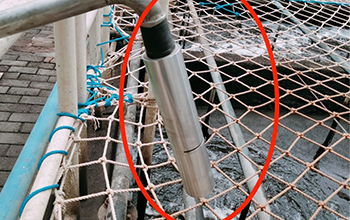
Water quality sensor technology has become essential for ensuring the aquaculture environment’s quality and improving production efficiency. As aquaculture becomes more large-scale and intensive, traditional manual monitoring methods can no longer meet efficiency and real-time water quality management demands. Water quality sensors, as the core tools for monitoring aquaculture environments, have made significant progress. The following

Current Status and Trends of Water Quality Sensor in Aquaculture Read More »

Fluorescent Dissolved Oxygen Probes-OPS

Fluorescent Dissolved Oxygen Probes Have Become the Mainstream Trend in Aquaculture

Fluorescent dissolved oxygen probes have become the mainstream trend, gradually replacing electrochemical dissolved oxygen probes. As the key instrument for monitoring dissolved oxygen in aquaculture water, the dissolved oxygen probe provides essential data that is most frequently referenced in production. Its measurement accuracy is critical. Inaccurate monitoring data lacks value and may lead to production

Fluorescent Dissolved Oxygen Probes Have Become the Mainstream Trend in Aquaculture Read More »

Monitoring pH Levels-OPS pH sensor

Monitoring and Adjusting pH Levels is Crucial for Aquaculture Operation

In aquaculture, pH Levels are a crucial water quality parameter, as it affect fish health, water chemistry, and the availability of essential nutrients and oxygen. The ideal pH range for most freshwater fish species, including carp and tilapia, is between 6.5 and 8.5. Maintaining this range is essential for optimal fish growth and survival. Effects

Monitoring and Adjusting pH Levels is Crucial for Aquaculture Operation Read More »

COD Sensors market

Overview of the Key Elements of COD Sensors market

The COD sensors market is part of the broader water quality monitoring industry. COD sensors measure the amount of oxygen required to chemically oxidize organic and inorganic compounds in water, an important parameter for assessing water pollution levels. These sensors are used in various industries, including wastewater treatment, environmental monitoring, food & beverage, pharmaceuticals, and

Overview of the Key Elements of COD Sensors market Read More »

Water Quality Sensors in Aquaculture

Top 13 Commonly Used Water Quality Sensors in Aquaculture

In aquaculture, maintaining optimal water quality is crucial for the health and growth of aquatic organisms. A variety of sensors are commonly used to measure key parameters to monitor and manage water quality. Here are some of the most commonly used water quality sensors in aquaculture: 1. Dissolved Oxygen (DO) Sensors Purpose: Measures the concentration

Top 13 Commonly Used Water Quality Sensors in Aquaculture Read More »

Oil in Water Analyzers

Understanding the Different Detection Methods in Oil in Water Analyzers

In today’s environmentally conscious world, monitoring oil in water is critical across various industries, from oil and gas to wastewater treatment. Oil in water analyzers are essential tools that provide real-time data to ensure regulatory compliance and environmental protection. However, these analyzers employ different detection methods, each with unique advantages and applications. Understanding these methods

Understanding the Different Detection Methods in Oil in Water Analyzers Read More »

PAH sensor in EGCS

In which module is the PAH sensor used in the EGCS

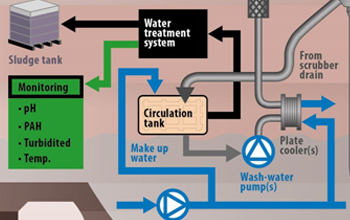
In an Exhaust Gas Cleaning System (EGCS), PAH (Polycyclic Aromatic Hydrocarbons) sensors are typically integrated into the Emission Monitoring System module. This module is responsible for the real-time monitoring of various pollutants in the exhaust gas, including PAH. Here is the detailed location and application of PAH sensors within the Emission Monitoring System module: PAH

In which module is the PAH sensor used in the EGCS Read More »

Main Components and Functions of Emission Monitoring System in an EGCS

The emission monitoring system in an Exhaust Gas Cleaning System (EGCS) is critical for ensuring that emissions are within environmental regulations and for optimizing the system’s performance. Here are the main components and functions of the emission monitoring system in an EGCS: Main Components of Emission Monitoring System Sampling Probes: Function: Installed in the exhaust

Main Components and Functions of Emission Monitoring System in an EGCS Read More »

Update cookies preferences
Please click here to leave your message. We will reply you as soon as possible.