
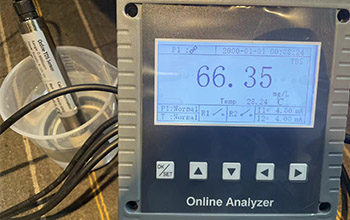
We will be involved in communication methods when we select water quality sensors. We often see terms such as Modbus, RS485, and 4-20mA. Modbus, RS-485, and 4-20mA are all widely used protocols and standards for industrial communication, but they serve different purposes and operate in unique ways. Here’s a breakdown of each:
Modbus
Protocol Type: Modbus is a communication protocol, not a physical layer. It defines the rules for data exchange between devices.
Functionality: Modbus allows multiple devices (like sensors, meters, and controllers) to communicate over the same network. It works based on a master-slave (or client-server) configuration, where one device (the master) can read or write data to multiple slaves.
Physical Layers: Modbus can work over different physical layers, including RS-485, RS-232, and TCP/IP.
Data Format: Typically used for transmitting process control and measurement data.
Applications: Widely used in industrial automation, especially for connecting PLCs, sensors, and other monitoring/control devices.
RS-485
Protocol Type: RS-485 is a physical layer standard, specifying how data is electrically transmitted on a physical medium (like a cable).
Functionality: RS-485 allows for half-duplex (two-way communication, but not simultaneously) or full-duplex communication on a single cable. It’s very robust and can transmit over long distances (up to 4,000 feet).
Network Topology: Supports multi-drop configurations, allowing up to 32 devices on the same network. With repeaters, even more devices can be added.
Applications: RS-485 is often used as the physical layer for Modbus communications. It’s found in many industrial settings for its reliability in noisy environments.
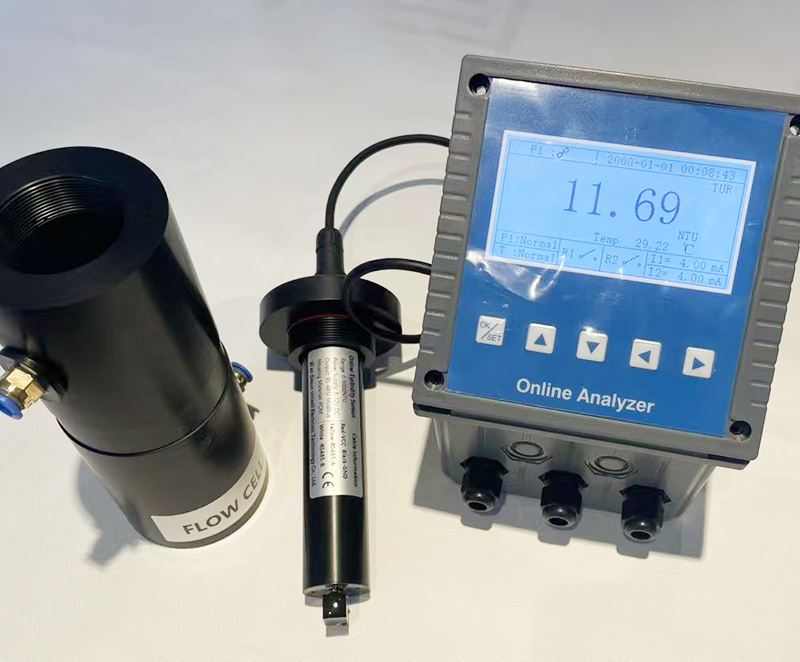
4-20mA
Protocol Type: 4-20mA is an analog signal standard, not a digital communication protocol.
Functionality: In a 4-20mA current loop, the current sent through the loop represents the measurement of a sensor. For example, 4mA might represent 0% of a range, and 20mA represents 100%.
Benefits: The loop is resistant to electrical noise, and since it uses current rather than voltage, it’s less prone to signal loss over long distances.
Applications: Commonly used for transmitting sensor data in industrial environments, especially for simple analog measurements (e.g., temperature, pressure).
Differences Between RS-485 and Modbus
RS-485 is a physical layer communication standard used for data transmission between devices. It specifies the electrical connection characteristics, signal transmission methods, and specifications. RS-485 employs differential signal transmission, enabling half-duplex communication among multiple devices and supporting long-distance transmission. Multiple devices can communicate over the same bus, with one device acting as the master to send commands and other devices functioning as slaves to receive commands.
Modbus, on the other hand, is a serial communication protocol that defines the electrical characteristics and connection methods of its physical layer interface. It facilitates communication and data exchange between different devices by defining a commonly used communication format and rules, including data frame formats, transmission methods, and data read/write commands. Modbus enables data exchange between a master device and slave devices and supports various transmission methods, including serial communication (RS-485) and Ethernet communication. Modbus can operate over different physical layers, such as serial ports and Ethernet. In summary, RS-485 is a physical layer protocol, while Modbus is a communication protocol.
Difference between RS485 and 4-20mA
RS485 and 4-20mA are both communication interfaces.
RS-485 is a digital signal interface that transmits digital data through differential voltage. 4-20mA is an analog current signal interface that represents data through the magnitude of the current. RS-485 uses differential signals to transmit data, can communicate over long distances, and supports multi-point communication.
4-20mA transmits signals through changes in current values and is generally used for point-to-point communication. The transmission rate of RS-485 is relatively high, reaching tens of kbps or even higher. The transmission rate of 4-20mA is relatively low, generally between hundreds of bps and a few kbps. Since RS-485 uses differential signal transmission, it has a relatively strong anti-interference ability and can better resist electromagnetic interference and noise. The 4-20mA analog signal is relatively sensitive to interference, and some measures need to be taken to deal with anti-interference, such as using shielded cables.
The RS-485 interface generally requires an external power supply. The 4-20mA interface usually uses a two-wire system, one wire provides power and the other is used to transmit signals.
Summary of Differences
Modbus: A protocol that defines communication rules, often using RS-485 as a physical layer.
RS-485: A physical layer standard that supports robust data transmission, commonly used with protocols like Modbus.
4-20mA: An analog signaling standard for transmitting sensor data over a current loop.
Each standard is used in industrial communication for different purposes: Modbus and RS-485 are primarily for digital communications, while 4-20mA is for analog signals.