
Real-time PAH sensors are crucial for monitoring air quality. Polycyclic Aromatic Hydrocarbons (PAHs) are a group of organic compounds with multiple aromatic rings. They are found in the environment primarily due to incomplete combustion of organic matter and are known for their potential health hazards.
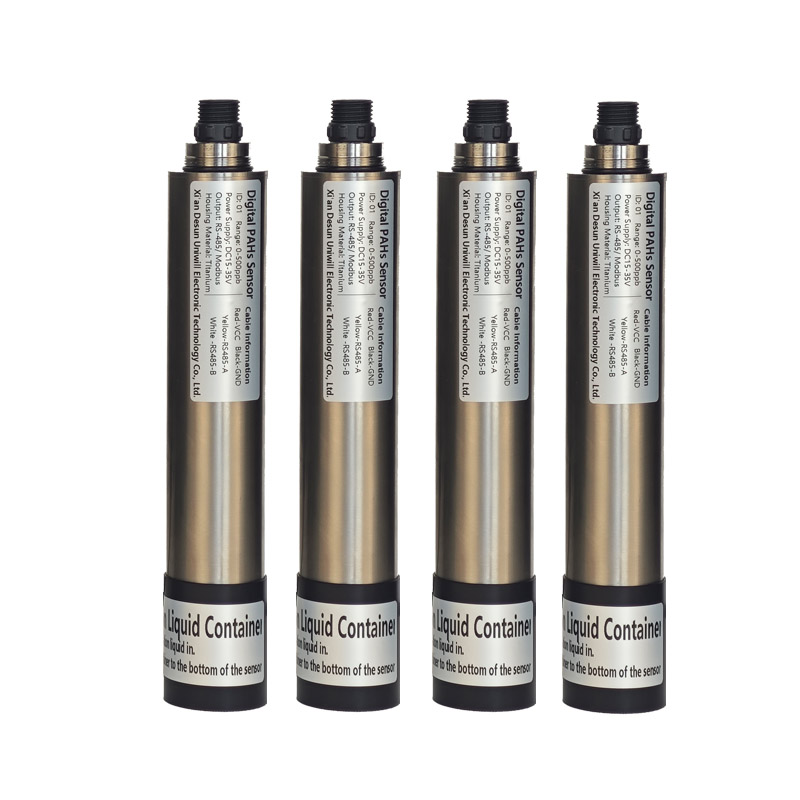
When selecting and implementing a Polycyclic Aromatic Hydrocarbon (PAH) sensor monitoring system, several key factors need to be considered. These factors will impact the sensor’s performance, accuracy, and applicability. Here are the important considerations:
Sensitivity and Detection Limit
Sensitivity: The sensor should be capable of detecting low concentrations of PAHs in the environment to ensure monitoring even at low pollution levels.
Detection Limit: It’s crucial to determine the lowest PAH concentration that the sensor can detect to evaluate its applicability.
Selectivity
Compound Identification: The sensor should have high selectivity, being able to distinguish PAHs from other potentially present volatile organic compounds (VOCs) or interfering substances.
Interfering Substances: Consider the sensor’s sensitivity to other chemicals (e.g., water vapor, carbon dioxide) to ensure measurement accuracy.
Response Time
Real-Time Capability: The sensor should quickly respond to changes in PAH concentrations in the environment to provide real-time monitoring data.
Dynamic Range: The sensor should offer stable and reliable measurements across a wide range of concentrations.
Stability and Durability
Long-Term Stability: The sensor should maintain stable performance over long-term use, avoiding frequent calibration and maintenance.
Environmental Resistance: The sensor should function properly under various environmental conditions (e.g., temperature, humidity, and pollutant concentration variations).
Portability and Ease of Use
Portability: For field monitoring, the sensor should be lightweight and easy to carry.
Ease of Operation: The sensor should be easy to operate and read data from, reducing the need for user expertise.
Calibration and Validation
Calibration: Regular calibration is necessary to ensure the sensor’s accuracy. The calibration process should be simple and infrequent.
Validation: Laboratory or field tests should validate the sensor’s performance to ensure the reliability of its measurements.
Data Recording and Transmission
Data Recording: The sensor should have data recording capabilities for long-term monitoring and data analysis.
Data Transmission: Wireless transmission capabilities can enable real-time data monitoring and remote access, enhancing the monitoring system’s flexibility.
Cost and Maintenance
Initial Cost: The sensor’s purchase cost should fit within the budget.
Maintenance Cost: The sensor should be easy to maintain, and the maintenance costs should be low to reduce long-term operational expenses.
Regulations and Standards
Compliance: The sensor should comply with relevant environmental monitoring regulations and standards to ensure its measurements are legally and technically recognized.
Certification: Choosing sensors with certification or those widely used in similar applications can increase their credibility.
Considering these factors comprehensively can help in selecting the most suitable PAH sensor and ensuring its effectiveness and reliability in practical applications.
Tags: PAH Sensor Monitoring, Real-time PAH sensors, Polycyclic Aromatic Hydrocarbon sensor, PAH sensor monitoring system, Suppliers, manufacturers, factory, wholesale, buy, price, quotation, bulk, for sale, companies, stock, cost.
Related Products:
PAH Sensor for Oil in Water Measurement
Related Blogs:
Success Case of OPS PAH Sensors used for Exhaust Gas Cleaning System (EGCS)
Detecting and Measuring Polycyclic Aromatic Hydrocarbons (PAHs) with Fluorescence Sensors
PAH sensors can be employed in marine scrubber systems(MS-SOx) for several purposes
Video:
To send An Enquiry Now: