Overview
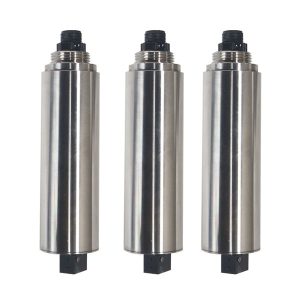
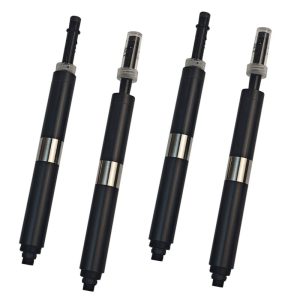
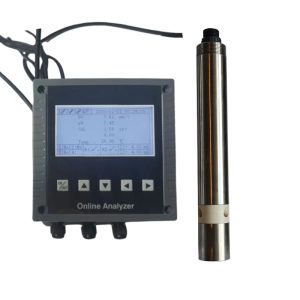
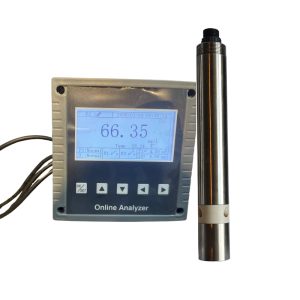
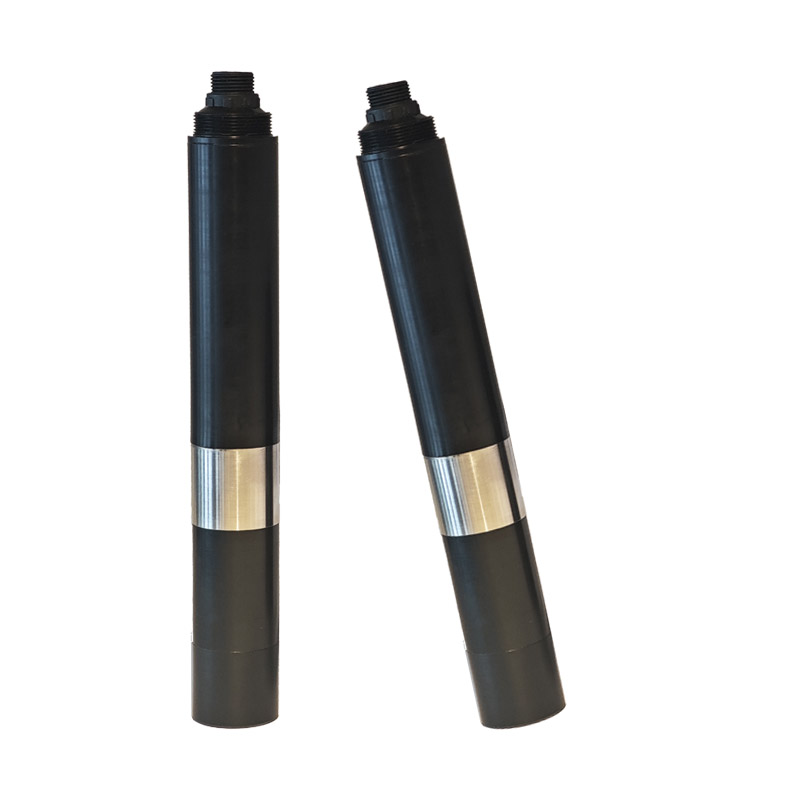
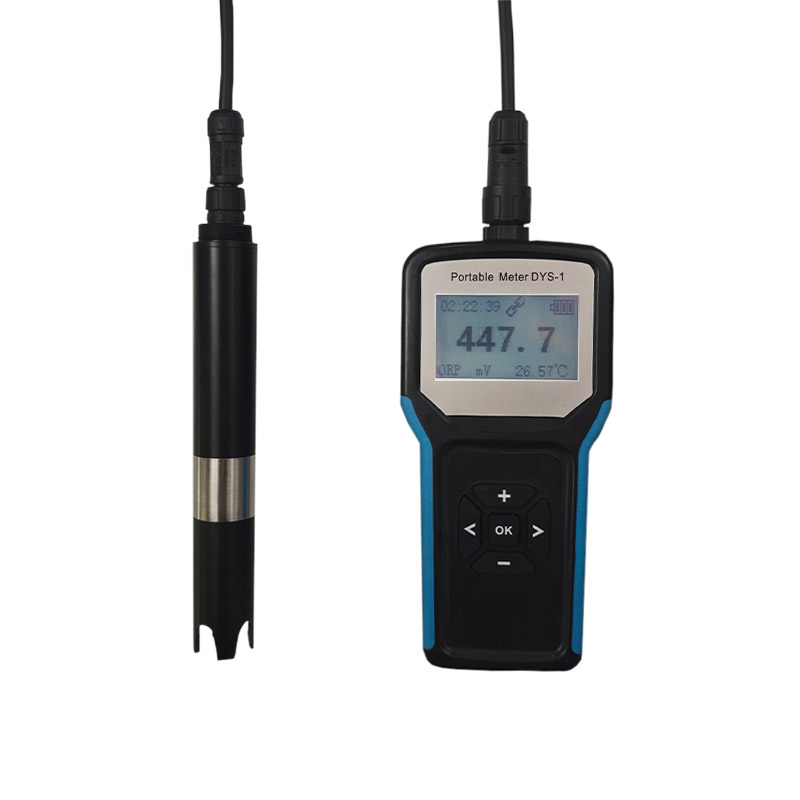
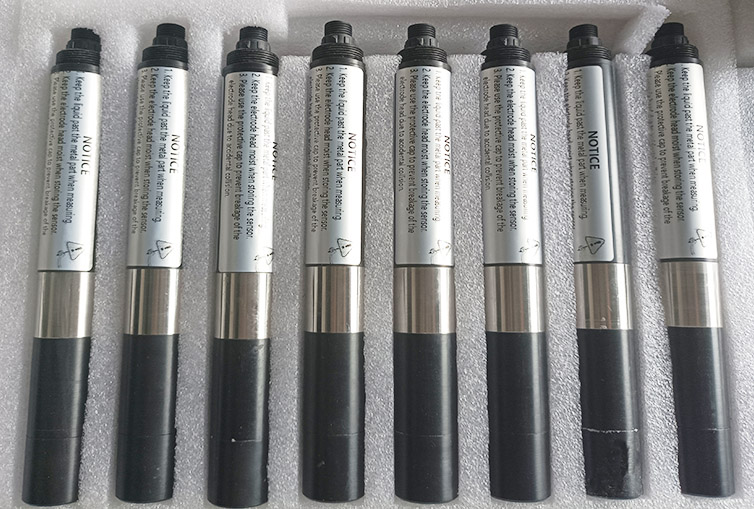
DS525 Online Digital ORP Sensor Probe, using compound electrode detection method, is suitable for complex situations, and the product is easy to maintain. The built-in temperature sensor can automatically compensate for he temperature to reduce the influence of temperature on the test results, and still have good test results under the long-term online state.
Features
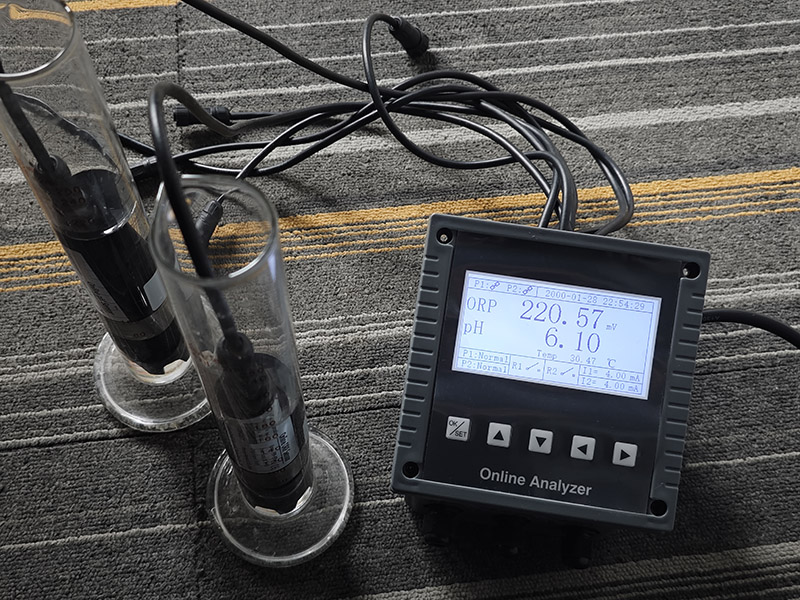
- The ORP sensor adopts composite electrode technology with strong stability.
- A variety of installation options are available.
- Direct measurement, easier than traditional manual counting.
- Online continuous monitoring, real-time control of water quality dynamics.
Technical Parameter
| Product Name | Digital ORP Sensor |
|---|---|
| Model | DS525 |
| Detection principle | Composite electrode |
| Measurement range | -1000~1000mV |
| Measurement accuracy | 3% |
| Resolution | 1mV |
| Temperature range | 0~50℃ |
| Stored temperature | 0~60℃ |
| Output signal | RS-485、MODBUSprotocol |
Specifications
| waterproof level | IP68 |
|---|---|
| Under pressure | 1bar |
| Product material | POM |
| Product Size | ∅25×198mm |
| Power information | DC 6~12v,current<50mA |
| Cable length | Standard 5 meters, longer can be customized |
Application Areas of Water ORP Sensor
An ORP (Oxidation-Reduction Potential) sensor measures the ability of a solution to either release or accept electrons during chemical reactions — essentially, it indicates the solution’s oxidizing or reducing power. ORP is measured in millivolts (mV). ORP sensors are widely used across industries where disinfection, oxidation, or chemical reactions are important. Here are the main application areas:
- Wastewater Treatment
Aerobic and anaerobic processes: ORP helps monitor biological processes like nitrification/denitrification.
Chemical dosing: Used to control the addition of oxidants or reductants (e.g., sodium bisulfite, hydrogen peroxide).
Heavy metal removal: ORP can guide redox-based precipitation.
- Aquaculture
Fish health and water quality: ORP helps maintain safe levels of disinfectants and indicates the oxidative stress in water.
Pathogen control: Tracks the redox balance to reduce disease risks.
- Drinking Water Treatment
Chlorine disinfection control: ORP sensors help monitor and control chlorine levels to ensure microbial safety.
Regulatory compliance: ORP is often used to verify that disinfection is sufficient, especially in automated systems.
- Swimming Pools
Sanitizer effectiveness: ORP indicates if chlorine or bromine is active enough to kill bacteria.
Automation systems: Used to automatically dose disinfectants based on ORP readings.
- Cooling Towers and Boilers
Corrosion and scaling control: ORP sensors help ensure the correct chemical environment to prevent damage.
Biocide optimization: Dosing of oxidizing biocides like chlorine or bromine can be automated using ORP feedback.
- Environmental Monitoring
Surface water and groundwater: ORP helps assess pollution, oxygen levels, and chemical imbalances.
Wetlands and soil leachate: Monitors redox potential to evaluate ecosystem health or contaminant mobility.
- Chemical Industry
Redox-sensitive processes: ORP sensors are used to control reactions like bleaching, metal plating, or oxidation-reduction reactions.
Safety systems: Monitor for hazardous changes in redox potential.
FAQs
- What is an ORP Sensor?
An ORP sensor (Oxidation-Reduction Potential sensor) is a device that measures the tendency of a solution to either gain or lose electrons, which determines its oxidizing or reducing properties.
ORP is measured in millivolts (mV):
Positive ORP: Strong oxidizing environment (e.g., chlorinated water).
Negative ORP: Strong reducing environment (e.g., anaerobic water or high organic content).
- What is the Working Principle of an ORP Sensor?
The ORP sensor works electrochemically, much like a pH sensor, but it measures electron activity rather than hydrogen ion concentration.
Key Components:
Measuring electrode: Usually made of inert metal (e.g., platinum or gold) that interacts with oxidizers and reducers in the water.
Reference electrode: Provides a constant voltage (usually Ag/AgCl or Calomel).
Working Principle:
When immersed in water, redox reactions at the metal surface generate a voltage.
The sensor measures the potential difference between the measuring and reference electrodes.
This potential difference (in millivolts) is the ORP value.
ORP does not give specific chemical concentrations but indicates the overall oxidative or reductive strength of the water.
- Why Measure ORP in Water?
Measuring ORP in water helps assess disinfection effectiveness, redox reactions, and water quality. Reasons include:
✅ Disinfection Control
ORP reflects the activity of sanitizers like chlorine, ozone, or hydrogen peroxide.
An ORP of >650 mV typically ensures effective disinfection.
✅ Process Monitoring
Used in wastewater, aquaculture, and food processing to control redox-sensitive processes.
✅ Safety & Compliance
Helps maintain regulatory standards for water treatment and minimize chemical overuse or underuse.
✅ Environmental Health
Indicates whether a water body is aerobic or anaerobic, helping assess pollution or natural conditions.
- How to Choose an ORP Sensor?
Choosing the right ORP sensor depends on your application needs and environmental conditions:
| Factor | Considerations |
|---|---|
| Application | Drinking water, wastewater, aquaculture, lab, industrial |
| Electrode material | Platinum (general use), Gold (for high chloride or cyanide environments) |
| Housing material | PVC (cheap), CPVC or PVDF (chemically resistant), stainless steel |
| Temperature range | Ensure sensor tolerates your process or environment |
| Pressure rating | Important in pressurized pipelines or reactors |
| Mounting type | Inline, submersible, or lab benchtop |
| Maintenance | Choose low-maintenance sensors for remote/automated systems |
| Cable length/connector | Ensure compatibility with controller or data logger |
| Calibration method | Some sensors require regular calibration with ORP standards (e.g., quinhydrone buffer)** |
Tip: If you’re using ORP to control chlorine dosing, look for a sensor that’s stable, fast-responding, and compatible with your disinfectant type.