Overview
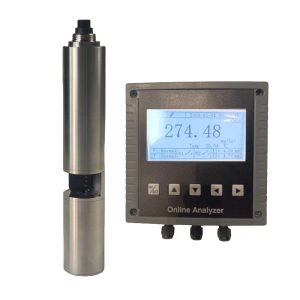
A CDOM sensor (Colored Dissolved Organic Matter sensor) is a device used to measure the concentration of dissolved organic matter in water, particularly organic substances that absorb and emit light. OPS DS630 CDOM Sensor adopts the analysis principle of the ultraviolet fluorescence method. It can be widely used for monitoring seawater, river water, drinking water, and wastewater.
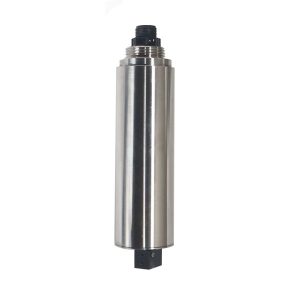
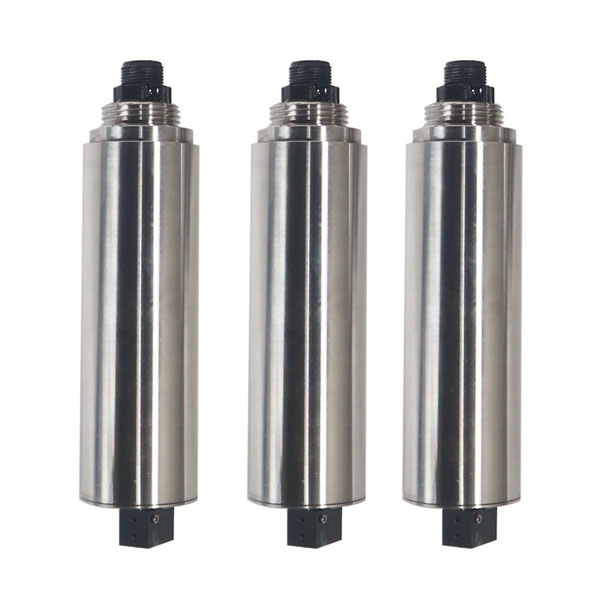
The DS630 CDOM Probe features high precision, high sensitivity, and compact size, and it is equipped with an automatic cleaning brush that eliminates bubbles and reduces contamination’s impact on measurements, thereby extending the maintenance cycle. As an energy-efficient and environmentally friendly anti-fouling solution, it ensures long-term stability of measurements.
Measuring Principle of DS630 CDOM Sensor
CDOM absorbs light in the ultraviolet to blue range of the spectrum (250-500 nm) and often emits fluorescence in the blue to green spectrum. Sensors typically measure either the absorption or the fluorescence emitted by CDOM when excited by specific wavelengths of light.
Features of DS630 CDOM Sensor
-Digital RS-485 signal with standard MODBUS protocol;
-Measurement range 0 – 5000ppb.
-Utilizes the principle of UV fluorescence analysis to detect colored dissolved organic matter in water;
-Capable of measuring seawater and high-salinity samples;
-Equipped with a self-cleaning brush to prevent microbial attachment, extending the maintenance cycle;
-Built-in calibration parameters for convenient on-site use and secondary calibration.
-Low maintenance.
Specifications
| Product | CDOM Sensor |
|---|---|
| Model | DS630 |
| Measurement Principle | Ultraviolet fluorescence method |
| Measurement Range | 0-500ppb |
| Linearity | R²>0.999 |
| Resolution | 0.01ppb |
| Temperature Range | 0-50℃ |
| Maximum Pressure | 3bar |
| Protection Level | IP68 |
| Sensor Interface | Support RS-485, MODBUS protocol |
| Installation Method | Drop-in installation (optional mounting bracket) |
| Power Supply | Recommended:DC 9-12V,>500mA |
| Size | φ45mm*190.8mm |
| Probe Cable Length | 5 meters (default), can be customized |
| Calibration | One-point or two-points calibration |
| Body Material | 316L or titanium alloy |
Applications of CDOM sensor
-Rivers and lakes monitoring
-Wastewater and water treatment
-Pollution surveillance & investigative monitoring
-Point source pollution tracking
-Hydrocarbon monitoring in ports & coastal areas
-Road and airport apron run-off monitoring
-Pollution ingress into infrastructures
-Monitoring industrial effluent discharge in natural waters
-Environmental monitoring
-Marine research
-Aquaculture
FAQs
What is Colored Dissolved Organic Material (CDOM)?
Colored Dissolved Organic Matter (CDOM) refers to organic matter dissolved in water that can absorb and emit light. CDOM is primarily composed of naturally derived organic substances, such as decomposed plant material and soil organic matter, and is widely found in bodies of water such as rivers, lakes, and oceans.
Why Measure CDOM in Water?
Measuring Colored Dissolved Organic Matter (CDOM) in water is important. Because of its propensity for absorbing UV and blue light, an overabundance of CDOM/FDOM can severely limit aquatic photosynthesis, sparking vegetative death and decomposition and sapping water systems of dissolved oxygen (DO). In sufficient quantities, CDOM/FDOM may also impact rates of air-gas exchange, influence water surface temperatures, and disrupt drinking water production.
What is the difference between CDOM and FDOM?
Fluorescent Dissolved Organic Matter (FDOM) is the fraction of CDOM that fluoresces. FDOM is a surrogate for CDOM and a fast and easy means of tracking DOM in natural waters.