Overview
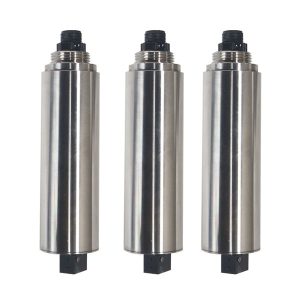
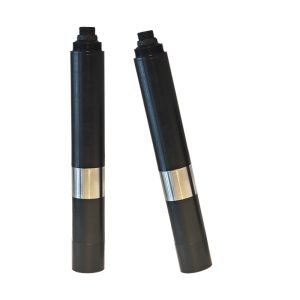
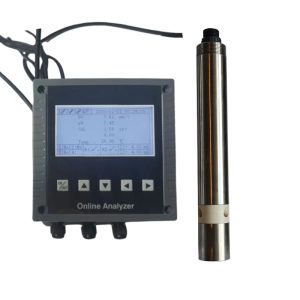
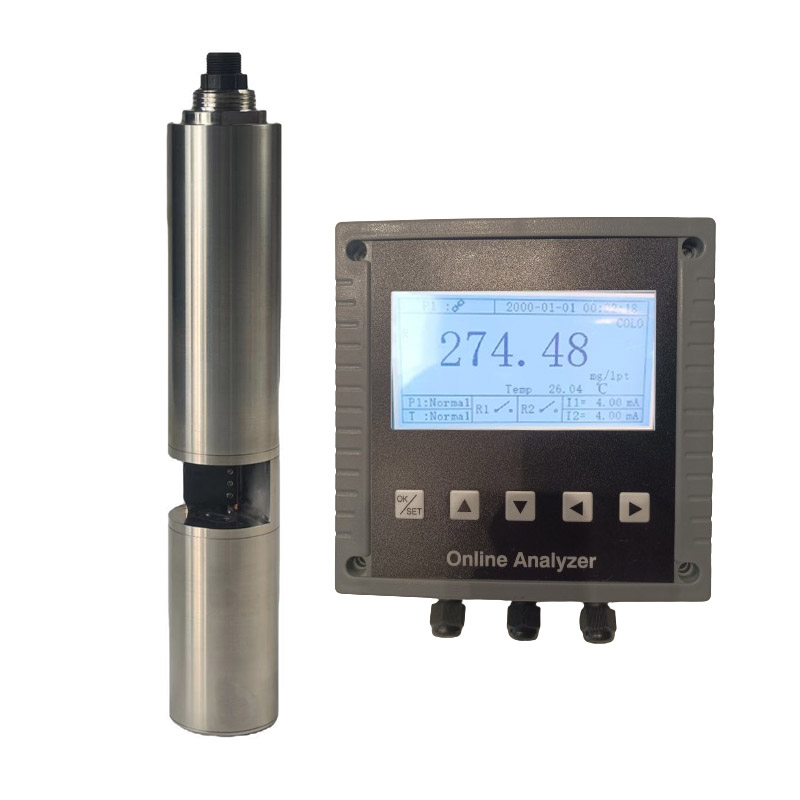
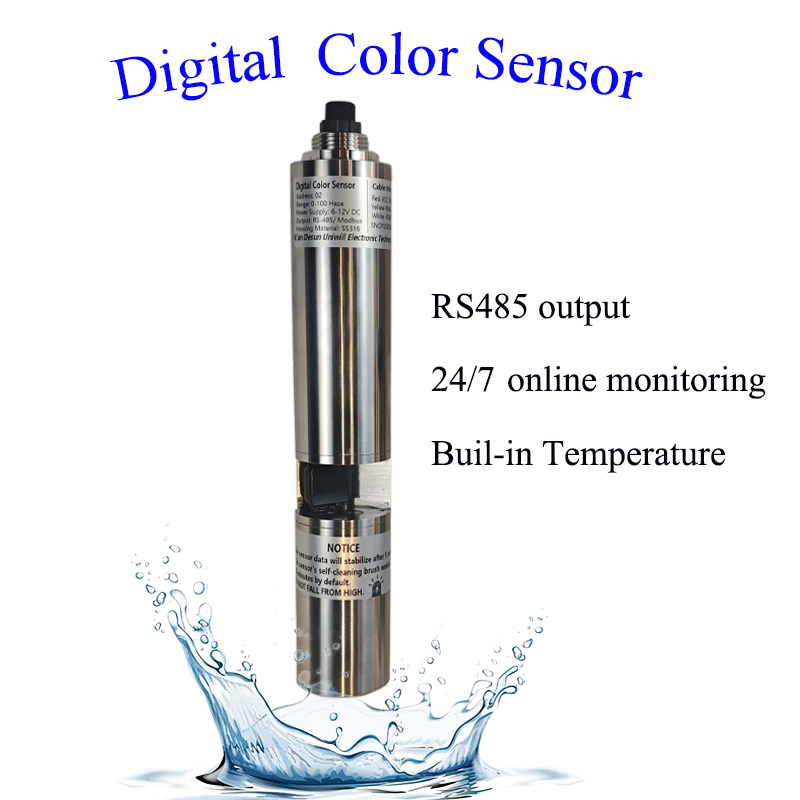
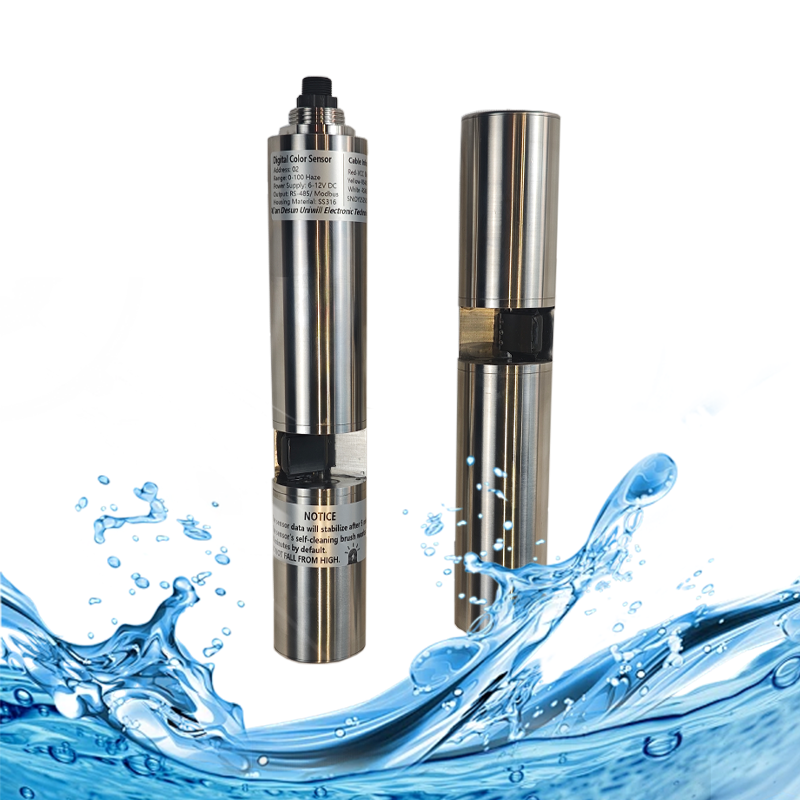
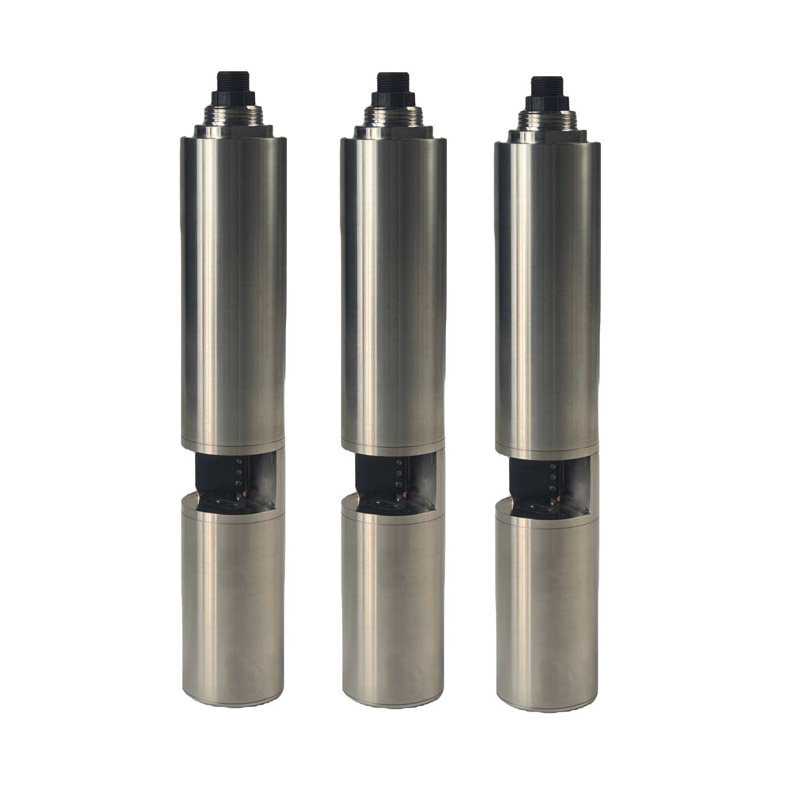
DS660 Online Self-Cleaning Colour Sensor, using our own R & D and design of optical devices, color sensor using optical absorption method of measurement principle, input installation online measurement, avoiding the process of complex sampling and laboratory measurements. No reagents, no pollution, more economical and environmentally friendly. Compact size, easy maintenance, the sensor with an automatic cleaning brush, and automatic compensation for turbidity interference, even for long-term online water quality monitoring still has excellent stability. It can be widely used for monitoring drinking water, surface water, municipal and industrial wastewater processing.
Features of DS660 Colour Sensor
-Digital RS-485 signal with standard MODBUS protocol;
-Automatic compensation for turbidity interference ensures more accurate data and stable product performance;
-Equipped with a self-cleaning brush to prevent microbial buildup, a longer maintenance cycle;
-Built-in calibration parameters for easy on-site use and secondary calibration;
-Real-time continuous online measurement.
Specifications
| Product | Online Self-Cleaning Colour Sensor |
|---|---|
| Model | DS660 |
| Measurement Principle | Absorption Method |
| Measurement Range | 0~500 Haze or 0-5500mg/l pt |
| Linearity | R²>0.999 |
| Temperature Range | 0-50℃ |
| Maximum Pressure | 3bar |
| Protection Level | IP68 |
| Sensor Interface | Support RS-485, MODBUS protocol |
| Installation Method | Drop-in installation (optional mounting bracket) |
| Power Supply | Recommended: DC 9-12V |
| Size | Φ46*254mm |
| Probe Cable Length | 5 meters (default), can be customized |
| Calibration | One-point or two-points calibration |
| Body Material | 316L or titanium alloy |
Applications of DS660 Online Self-Cleaning Colour Sensor
-Wastewater Treatment:
Sensors measure the color of wastewater to ensure it is properly treated before being discharged into the environment. Color changes can indicate the presence of pollutants or incomplete treatment.
-Aquaculture Water Quality Monitoring:
In fish farms and aquatic cultivation, color sensors monitor the clarity and cleanliness of water, which is crucial for maintaining healthy aquatic ecosystems.
-River and Lake Monitoring:
Color sensors help detect changes in water quality, which may indicate pollution, algae growth, or sediment disturbances.
-Process Water Quality Control:
Many industries, such as food processing, paper production, and textiles, use color sensors to monitor process water quality, ensuring product consistency and regulatory compliance.
-Effluent Discharge:
Monitoring the color of water discharged from industrial processes helps companies ensure that wastewater meets acceptable environmental standards.
-Drinking Water Treatment:
Color sensors help monitor the color of treated water to ensure it meets regulatory standards and is free from contaminants that can affect the taste or appearance of drinking water.
FAQ – Water Color Sensor
What is a Water Color Sensor?
A Water Color Sensor is a device used to measure the color of water, often applied to assess water quality. It detects changes in the color of the water, which can indicate the presence of contaminants, organic matter, or chemicals in the water.
How does a Water Color Sensor work?
A Water Color Sensor typically operates using light absorption or scattering techniques. It shines light through the water and measures the amount of light that is absorbed or reflected by the water. Different substances in the water absorb or reflect light differently, allowing the sensor to detect changes in water color.
What is the measurement principle of a Water Color Sensor?
Most Water Color Sensors operate based on light absorption or scattering. The sensor emits light of various wavelengths (often using LEDs) through the water sample and measures the intensity of the light that passes through or is reflected. The sensor analyzes this data to determine the color of the water.
Why is water color important in water quality monitoring?
Water color can indicate the presence of various substances, such as dissolved organic matter, algae, sediment, or pollutants. A change in water color may suggest contamination or shifts in the ecological balance of a water source.
Can a Water Color Sensor detect specific contaminants?
While Water Color Sensors can detect color changes, they may not directly identify specific contaminants. However, certain pollutants, such as dissolved organic matter or algal blooms, can cause noticeable color changes that the sensor can detect.
What is the difference between turbidity and color in water analysis?
Turbidity measures the cloudiness caused by suspended particles, while color usually indicates dissolved substances. Turbidity sensors measure how much light is scattered by particles, whereas color sensors measure how light is absorbed by dissolved materials.
How is a Water Color Sensor calibrated?
Water Color Sensors are calibrated using reference solutions with known colors. These reference standards ensure that the sensor provides accurate measurements over a range of colors. Regular calibration is recommended to maintain accuracy.