Overview
Water hardness is a critical parameter in water quality monitoring and industrial process control. Hard water, which contains high concentrations of dissolved minerals such as calcium (Ca²⁺) and magnesium (Mg²⁺), can cause scaling, equipment damage, and operational inefficiencies in many water systems.
Traditionally, water hardness measurement relied on laboratory titration methods that required manual sampling and chemical reagents. While these methods can provide accurate results, they are not suitable for modern automated water treatment facilities that require continuous monitoring and real-time process control.
The Online Water Hardness Sensor provides an advanced solution for continuous hardness monitoring in water systems. By delivering accurate and real-time measurements, this sensor helps operators optimize water treatment processes, prevent scale formation, and ensure stable water quality.
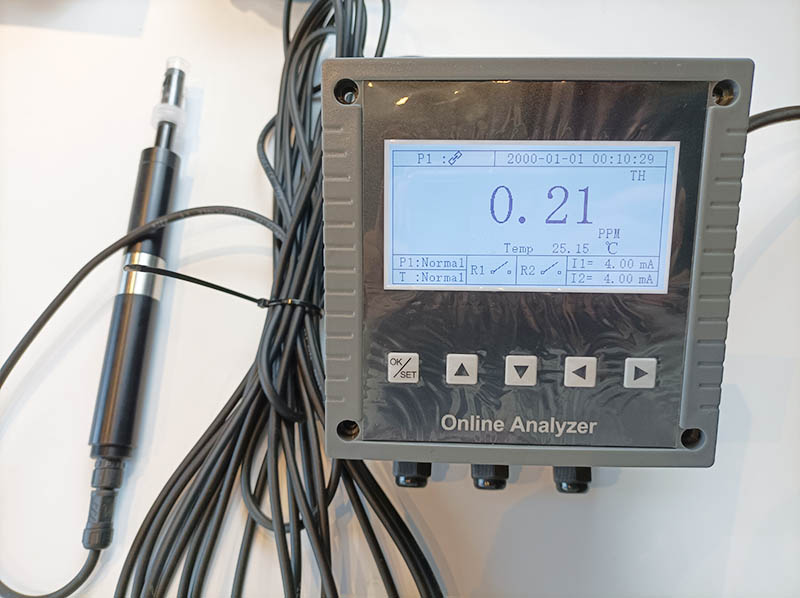
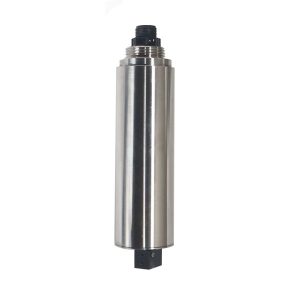
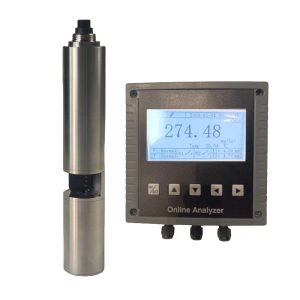
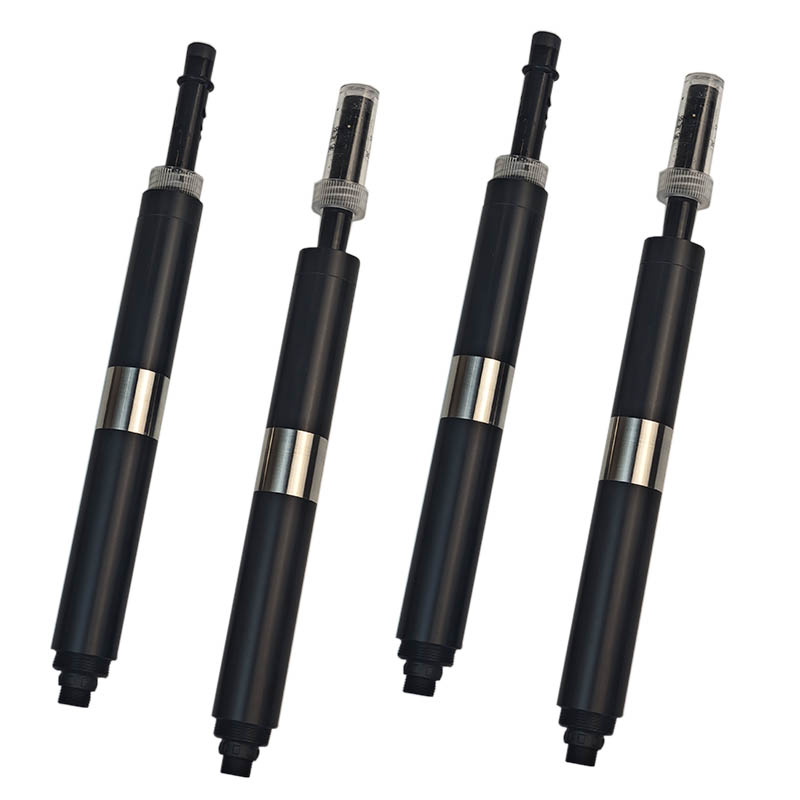
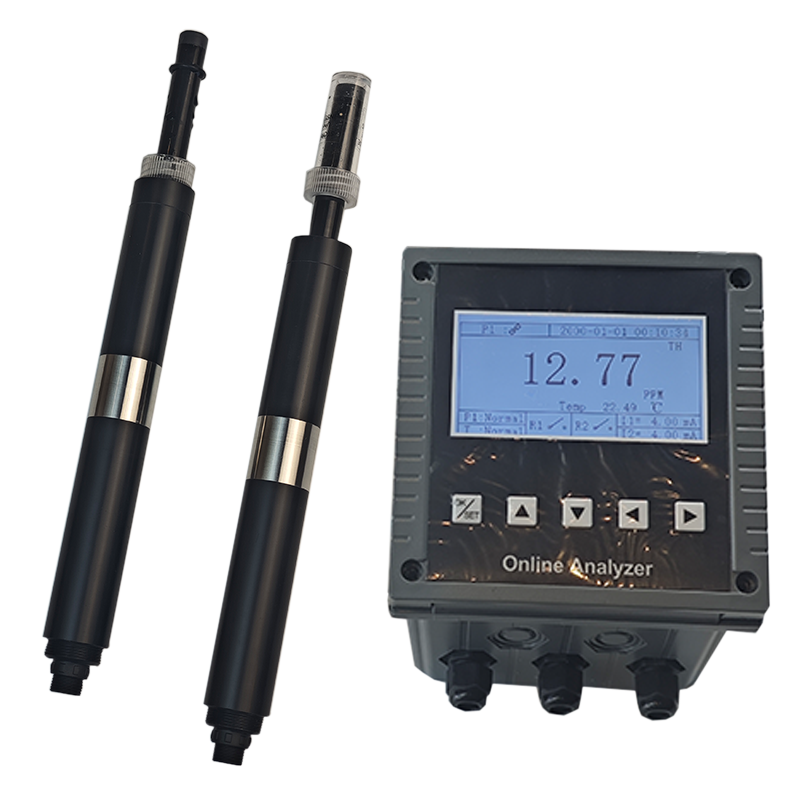
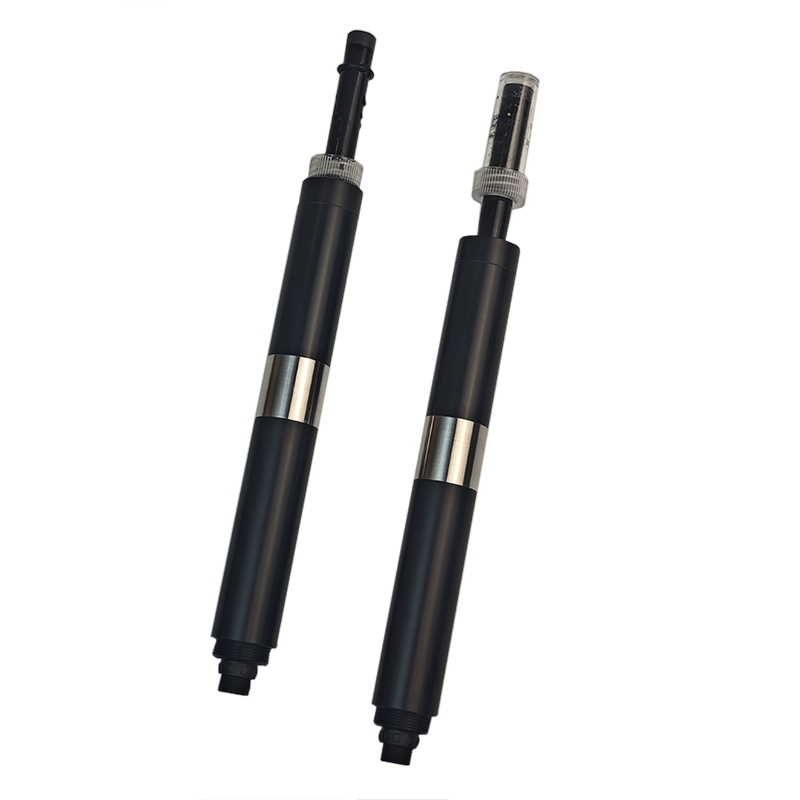
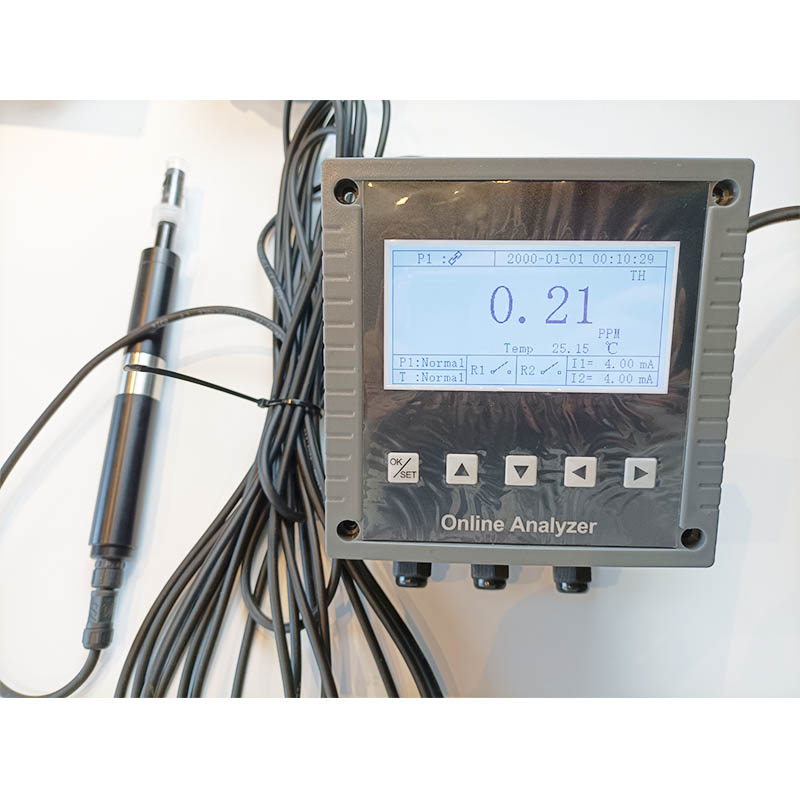
DS600 Online Water Hardness Sensor and Analyzer is an analytical instrument designed to continuously measure the concentration of calcium and magnesium ions in water. The sensor is typically installed directly in pipelines, bypass systems, or open water tanks, allowing it to monitor water hardness levels continuously.
Measured data can be transmitted to monitoring platforms such as:
- SCADA systems
- PLC controllers
- Industrial automation systems
- Cloud-based monitoring platforms
This real-time data enables operators to respond quickly to changes in water quality and optimize chemical dosing or water treatment operations.
DS600 Online Water Hardness Sensor and Analyzer uses an industrial wire electrode with a flat front end for easy cleaning. Built-in temperature sensor for automatic temperature compensation, suitable for online long-term monitoring.
Key Features of the Online Water Hardness Sensor
1, Continuous Real-Time Monitoring
One of the main advantages of an online hardness sensor is the ability to monitor water quality continuously. Real-time data allows operators to detect hardness fluctuations immediately and take corrective actions.
2, High Measurement Accuracy
The sensor uses high-quality ion-selective membranes and advanced signal processing technology to achieve stable and accurate measurements. This ensures reliable hardness monitoring even in complex water environments.
3, Fast Response Time
Compared to traditional laboratory methods that may take several minutes to hours, the sensor typically provides measurement results within 30 to 60 seconds, enabling rapid process adjustments.
4, Automatic Temperature Compensation
Temperature changes can influence electrochemical sensors. Integrated temperature compensation automatically adjusts readings to maintain accuracy.
5, Industrial-Grade Durability
The sensor housing is constructed from corrosion-resistant materials designed to withstand harsh industrial environments such as chemical plants, power plants, and wastewater facilities.
6, Low Maintenance Requirements
The sensor is designed for long-term stability with minimal maintenance. Routine cleaning and occasional calibration are usually sufficient to maintain performance.
7, Digital sensor, RS-485 output, supports MODBUS.
It is equipped with an RS-485 interface that allows easy and fast sensor configuration via Modbus. It can be easily connected to the monitoring system.
8, Unaffected by transmission distance for better stability.
Technical Parameter
| Item | Parameters |
|---|---|
| Model | DS600 |
| Range | 0~100mg/L (as CaCO₃) |
| Precision | 5% |
| Deepest depth | Underwater 30m |
| Protection level | IP68 |
| Maximum operating pressure | 3bar |
| storage temperature | -20~80℃ |
| temperature range | 0~ 50°C |
| Sensor interface | Support RS-485, MODBUS protocol |
| assembly | Input type |
| Power information | DC 6~12V, current <50mA |
| Probe cable length | 5 meters (default), can be customized |
| Housing material | POM |
| Calibration | Two-point calibration |
Working Principle of the Water Hardness Sensor
Measurement Process
1, Ion Selective Detection
The sensor contains a specialized membrane that selectively responds to hardness ions such as Ca²⁺ and Mg²⁺.
2, Electrochemical Reaction
When the sensor membrane interacts with these ions, an electrochemical potential is generated.
3, Signal Conversion
The electrode converts this potential into an electrical signal proportional to the concentration of hardness ions.
4, Signal Processing
The internal transmitter processes the signal using calibration algorithms to convert it into hardness values, typically expressed as mg/L CaCO₃.
5, Temperature Compensation
Temperature variations can influence electrochemical measurements. Integrated temperature compensation ensures measurement stability across different operating conditions.
This technology enables fast, reliable, and continuous hardness monitoring.
Applications of Water Hardness Sensors
Online hardness sensors are widely used in many industries that rely on controlled water quality.
| Application Area | Purpose of Measurement | Key Benefit |
|---|---|---|
| Water Softeners | Detect hardness to trigger regeneration cycles | Efficient softener operation; saves salt and water |
| Boiler Water | Prevent scale formation in boilers | Enhances efficiency; prevents overheating and damage |
| Industrial Wastewater | Monitor treated water before discharge | Compliance with regulations; protects environment |
| Drinking Water | Ensure acceptable taste and safety levels | Protects plumbing; meets health standards |
| Effluent & Influent | Track water quality before and after treatment | Optimizes plant operations; ensures legal compliance |
| Condensate & Cooling Water | Prevent scale and corrosion in heat exchange systems | Improves energy efficiency; extends equipment life |
| Surface Water | Monitor natural water sources for hardness changes | Supports environmental health and research |
| Process Water | Maintain specific hardness for industrial processes | Ensures product quality; prevents contamination and fouling |
1, Boiler Water Monitoring
Boiler systems are extremely sensitive to hardness ions. Even small concentrations of calcium or magnesium can cause scale buildup that reduces heat transfer efficiency and increases energy consumption.
Continuous hardness monitoring ensures proper operation of water softening systems and prevents scaling damage.
2, Cooling Tower Systems
Cooling towers use large volumes of water that can accumulate hardness minerals over time. Without proper monitoring, scale deposits can form on heat exchanger surfaces.
Hardness sensors help operators control chemical dosing and maintain optimal cooling efficiency.
3, Drinking Water Treatment Plants
Municipal water treatment facilities often adjust hardness levels through lime softening or other treatment processes.
Real-time monitoring ensures consistent water quality and regulatory compliance.
4, Reverse Osmosis Systems
Hardness ions are a major contributor to membrane scaling in reverse osmosis systems. Monitoring hardness levels before the RO system helps protect membranes and extend equipment lifespan.
5, Industrial Water Treatment
Many industries require strict water quality control, including:
- power generation
- semiconductor manufacturing
- chemical processing
- food and beverage production
- pharmaceutical manufacturing
Online hardness sensors help maintain process stability and reduce operational risks.
6, Aquaculture Systems
Water hardness plays an important role in aquatic ecosystems, affecting fish health and mineral balance.
Continuous monitoring ensures optimal water conditions for aquaculture production.
Advantages Over Traditional Hardness Testing Methods
Online hardness sensors provide several advantages:
| Feature | Online Sensor | Manual Testing |
|---|---|---|
| Real-time monitoring | Yes | No |
| Labor requirement | Low | High |
| Automation capability | High | None |
| Continuous data recording | Yes | No |
| Process control capability | Yes | Limited |
As industries move toward smart water management, online monitoring solutions are becoming the preferred approach.
Understanding Water Hardness in Water Treatment
Water hardness refers to the concentration of dissolved minerals, primarily calcium and magnesium ions. These minerals enter water through natural geological processes as water flows through limestone, gypsum, and other mineral deposits.
Hardness is typically expressed in the following units:
- mg/L as CaCO₃
- ppm (parts per million)
- German degrees (°dH)
- French degrees (°fH)
Based on the hardness level, water can be classified as:
| Hardness Level | mg/L (as CaCO₃) |
|---|---|
| Soft Water | 0 – 60 |
| Moderately Hard Water | 60 – 120 |
| Hard Water | 120 – 180 |
| Very Hard Water | >180 |
While moderate hardness may not significantly affect drinking water quality, high hardness levels can create serious operational challenges in industrial systems.
Common problems caused by high water hardness include:
- Scale formation in pipelines and heat exchangers
- Reduced heat transfer efficiency in boilers
- Increased energy consumption
- Fouling of reverse osmosis membranes
- Reduced the effectiveness of detergents and chemicals
- Maintenance and equipment downtime
Continuous hardness monitoring allows operators to control treatment processes before these problems occur.
Video
Frequently Asked Questions
1, What is hardness?
Water hardness refers to the concentration of dissolved minerals in water, primarily calcium (Ca²⁺) and magnesium (Mg²⁺) ions. These minerals naturally dissolve into water as it flows through geological formations such as limestone, chalk, and gypsum.
While hardness does not usually pose a health risk, it can cause significant operational problems in industrial water systems, such as scaling and equipment fouling.
Hardness is one of the most important parameters monitored in water treatment, boiler systems, cooling towers, and desalination plants.
2, Why measure water hardness?
Measuring water hardness is important for several reasons, both practical and scientific. Here’s why it matters:
- Protecting Plumbing and Appliances
Scale Buildup: Hard water contains high levels of calcium and magnesium, which can deposit as scale in pipes, water heaters, and appliances.
Reduced Efficiency: Scale acts as insulation, making water heaters and dishwashers less efficient and increasing energy costs.
Shortened Lifespan: Appliances exposed to hard water often wear out faster.
- Health Considerations
Not Harmful, But… Hard water isn’t typically dangerous, but it can affect people with sensitive skin (e.g., eczema).
- Industrial Processes
Quality Control: Industries (e.g., textile, food processing, and pharmaceuticals) require controlled water hardness for consistent product quality.
Equipment Protection: Industrial boilers and cooling systems can be damaged by scale, leading to costly repairs.
- Environmental Impact
Detergent Use: Hard water requires more detergent and energy, which increases environmental load.
Water Treatment: Municipal and wastewater treatment plants may monitor hardness to adjust treatment processes.
- Aquatic Life and Agriculture
Fish and Plants: Some aquatic organisms are sensitive to water hardness, which affects breeding and survival.
Soil Chemistry: Hard water used for irrigation can alter soil pH and nutrient availability.
3, How is hardness measured?
Online Water Hardness Sensors
Modern industrial systems increasingly use online water hardness sensors for continuous monitoring. These sensors typically use ion-selective electrode (ISE) technology to detect calcium and magnesium ions in water.
Advantages include:
- Real-time monitoring
- continuous data output
- automatic process control
- integration with SCADA or PLC systems
Online sensors are widely used in industrial water treatment, power plants, desalination systems, and cooling towers.
4, What is the difference between hardness and alkalinity?
Water hardness and alkalinity are two important water quality parameters, but they measure different characteristics of water chemistry.
Water Hardness
Water hardness measures the concentration of divalent metal ions, mainly:
- calcium (Ca²⁺)
- magnesium (Mg²⁺)
Hardness mainly affects scale formation and equipment performance.
Alkalinity
Alkalinity measures the water’s ability to neutralize acids, which is primarily determined by the concentration of:
- bicarbonate (HCO₃⁻)
- carbonate (CO₃²⁻)
- hydroxide (OH⁻)
Alkalinity acts as a buffer that stabilizes pH levels in water.
Although hardness and alkalinity are different parameters, they are often related in natural water systems because both are associated with dissolved carbonate minerals.
For comprehensive water quality control, both parameters are commonly monitored together.
Tags: water hardness sensor, inline water hardness sensor, water hardness sensor price, online hardness analyzer, water hardness monitor, total hardness analyzer, water hardness analyzer, hardness sensor, continuous water hardness monitor, hardness analyzer, online water hardness analyzer, water hardness monitoring, hardness sensor for water treatment, calcium magnesium sensor, industrial water hardness measurement, boiler water hardness monitoring, cooling tower hardness sensor, real time water hardness monitoring, Suppliers, manufacturers, factory, wholesale, buy, price, quotation, bulk, for sale, companies, stock, cost.