


Overview
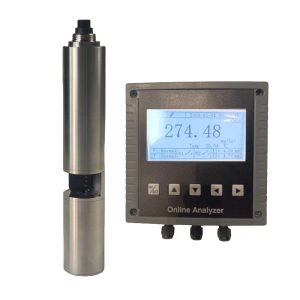
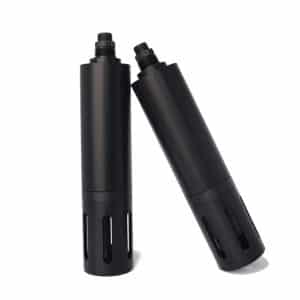
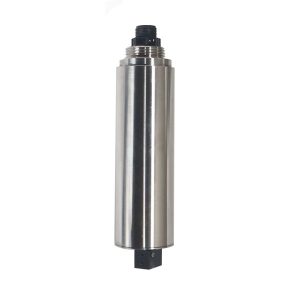
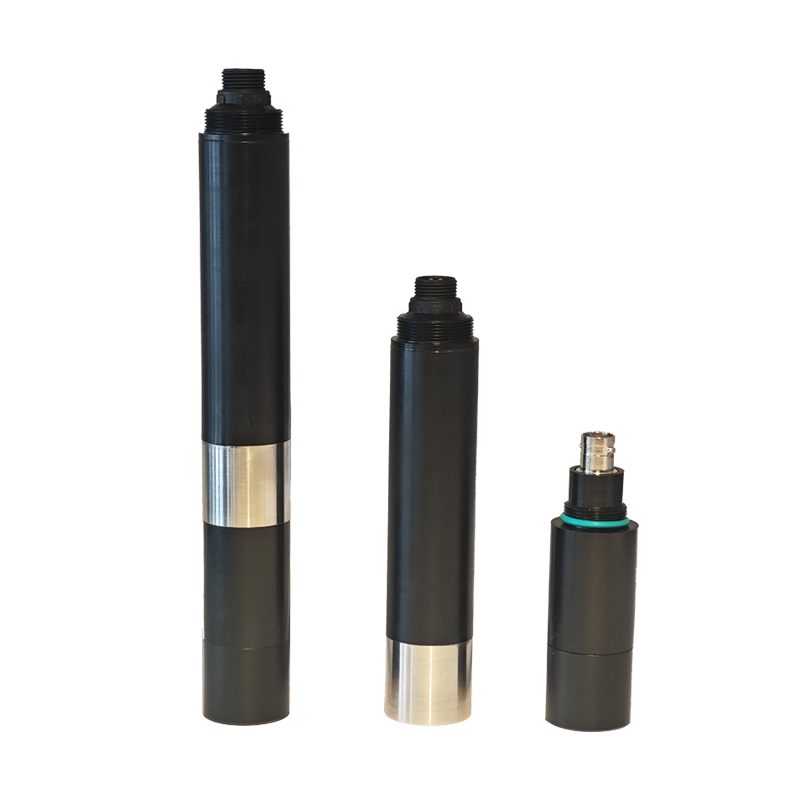
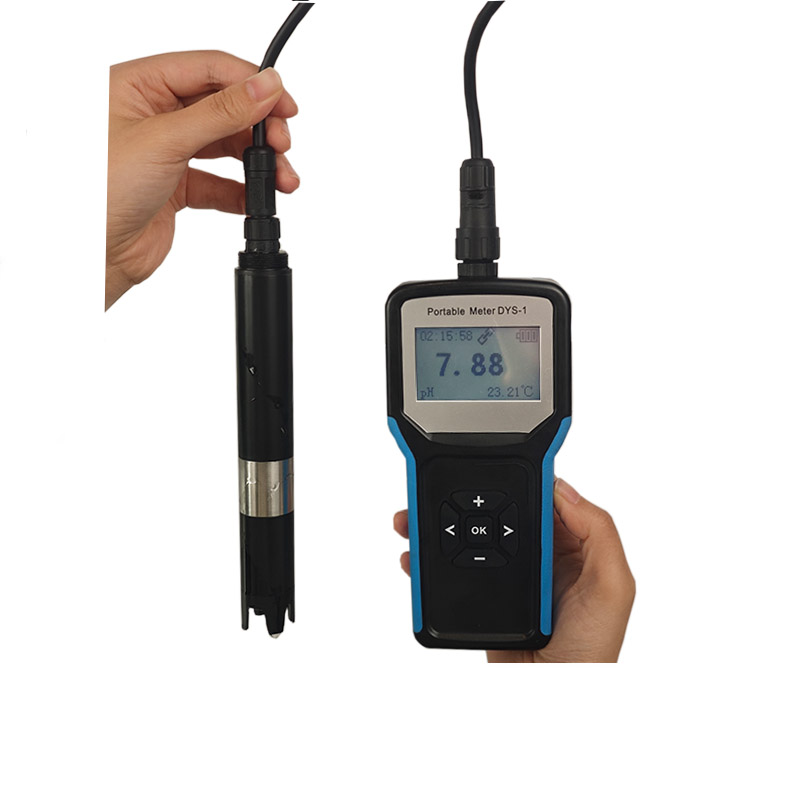
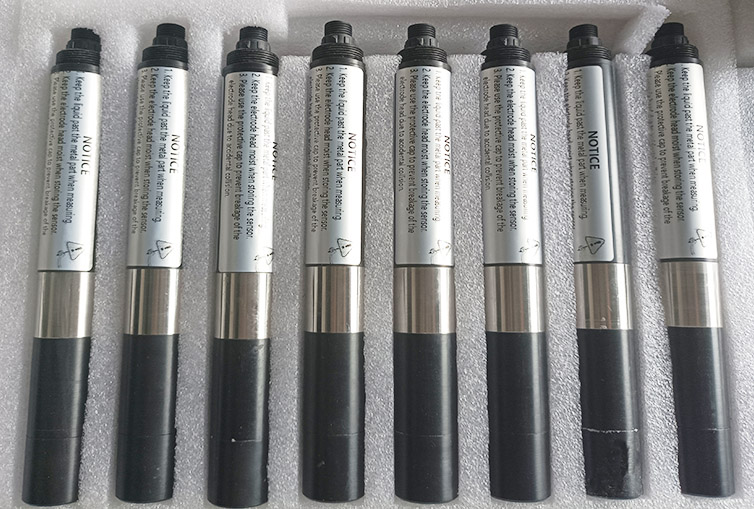
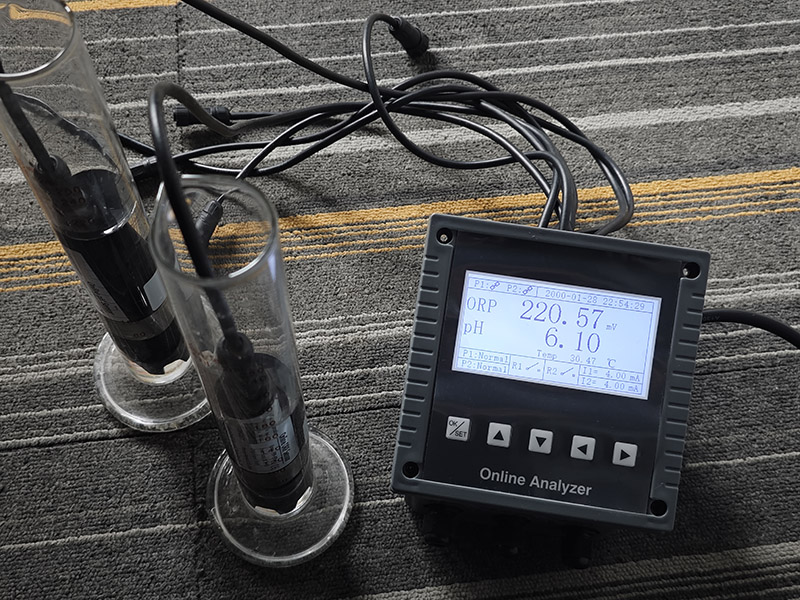
The DS510 Online pH sensor Probe adopts composite electrode technology. The sensor has a built-in temperature sensor, which automatically compensates for the temperature. The composite electrode has a longer life and is suitable for online long-term monitoring environments. The sensor adopts RS-485 output and Modbus protocol, which can realize networking and system integration without a controller.
Features
- The pH sensor uses compound electrode technology for a long service life.
- Not affected by transmission distance, good stability.
- Built-in temperature sensor, automatic temperature compensation.
- Network integration is possible without a controller.
Technical parameter
| Product Name | Digital PH Sensor |
|---|---|
| Model | DS510 |
| Detection principle | Composite electrode |
| Measurement range | 0~14 |
| Measurement accuracy | ±1% FS |
| Resolution | 0.01 |
| Temperature range | 0~50℃ |
| Stored temperature | 0~60℃ |
| Output signal | RS-485, MODBUS protocol |
| Calibration method | 3 point calibration |
Specifications
| Waterproof level | IP68 |
|---|---|
| Under pressure | 1bar |
| Product material | POM |
| Product Size | ∅25×198mm |
| Power information | DC 6~12V,Current <50mA |
| Cable length | Standard 5 meters, longer can be customized |
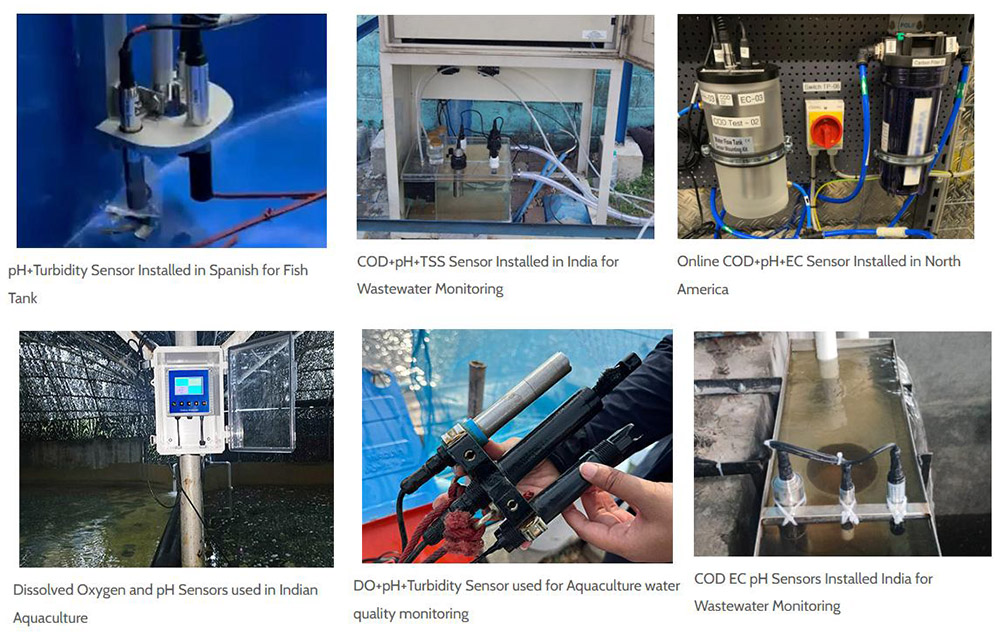
Cases of DS510 Online pH Sensor Probe
Application Areas of Water pH Sensor
Water pH sensors are used across a wide range of industries and applications where monitoring the acidity or alkalinity of water is critical. Here are the key application areas of water pH sensors:
- Environmental Monitoring
Surface water and groundwater: Monitoring pH in rivers, lakes, and aquifers to detect pollution or acidification.
Oceanography: Measuring ocean pH to study climate change effects, like ocean acidification.
- Drinking Water Treatment
Water treatment plants: Ensuring water pH is within safe ranges for human consumption.
Distribution networks: Monitoring to prevent pipe corrosion or scaling due to imbalanced pH.
- Wastewater Management
Industrial and municipal wastewater: Compliance with environmental regulations; controlling pH before discharge or reuse.
Neutralization processes: Managing pH during chemical treatment stages.
- Agriculture and Hydroponics
Irrigation water: Ensuring optimal pH for plant nutrient uptake.
Hydroponic systems: Maintaining ideal growing conditions for crops.
- Aquaculture and Fisheries
Fish farms: Keeping water pH within ranges suitable for different aquatic species.
Water quality control: Preventing stress or death in aquatic organisms due to pH imbalance.
- Chemical and Pharmaceutical Industries
Process control: Maintaining specific pH levels during chemical reactions or drug manufacturing.
Quality assurance: Testing the pH of water used in formulations.
- Swimming Pools
Water safety: Regular pH monitoring to ensure user safety and effectiveness of disinfectants (like chlorine).
FAQs
- What is a pH Sensor?
A pH sensor is a device that measures the hydrogen ion concentration (H⁺) in a solution, indicating its acidity or alkalinity. The term “pH” stands for “potential of hydrogen”, and it ranges from 0 (very acidic) to 14 (very alkaline), with 7 being neutral.
A pH sensor typically consists of:
A glass electrode (measures H⁺ ion activity)
A reference electrode (provides a stable voltage for comparison)
- What is the Working Principle of a pH Sensor?
A pH sensor works based on electrochemical potential differences. Here’s how:
The glass electrode has a special membrane that allows hydrogen ions from the test solution to interact with it.
The reference electrode remains constant in voltage.
When immersed in a solution, the difference in voltage (or potential) between the glass electrode and reference electrode is measured.
This voltage difference is proportional to the pH of the solution (based on the Nernst Equation).
The sensor outputs a signal (millivolts) that is then converted to a pH value.
- Why Measure pH in Water?
Measuring pH in water is important because pH affects chemical behavior, biological activity, and safety. Reasons include:
Drinking water quality: Ensures it’s safe for human consumption (pH ~6.5–8.5).
Industrial processes: pH affects reactions, corrosion, and product quality.
Environmental protection: Monitors pollution and ecological balance in natural water bodies.
Aquaculture: Fish and aquatic species require specific pH ranges.
Agriculture: Plant nutrient availability is pH-dependent.
Swimming pools: Disinfectants like chlorine work best at certain pH levels.
- How to Choose a pH Sensor?
Choosing the right pH sensor depends on several factors:
| Factor | Consideration |
|---|---|
| Application | Industrial, lab, field use, food, etc. |
| pH range | Make sure the sensor covers the needed range (usually 0–14) |
| Temperature compatibility | Use sensors with temperature compensation if needed |
| Chemical resistance | Sensor materials should resist chemicals in the solution |
| Maintenance | Some sensors are low-maintenance or self-cleaning |
| Accuracy and resolution | Higher precision may be needed in lab or pharma settings |
| Installation type | Inline, submersible, or benchtop |
| Response time | Important in dynamic or continuous monitoring setups |
| Calibration method | Manual or automatic calibration options |
Tip: For harsh or industrial environments, look for rugged sensors with long lifespan and integrated temperature compensation (e.g., combined pH/temperature probes).
5. Why must pH electrodes (pH probes) be soaked before use?
The pH electrode must be soaked before use, because the pH bulb is a special glass membrane, there is a very thin hydrated gel layer on the surface of the glass membrane, it can only form a stable H+ layer on the surface of the membrane after sufficient soaking, in order to have a stable and good response with the H+ in the solution. If the soaking is not sufficient, the response value will be unstable and drift during the measurement. The soaking time is generally 24 hours or more.
Product Video