Overview
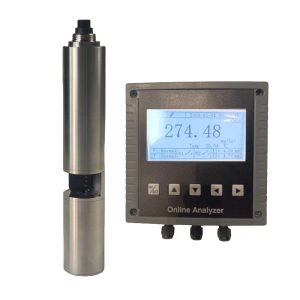
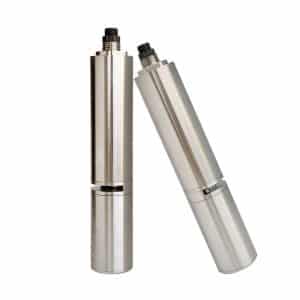
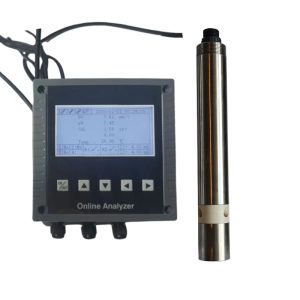
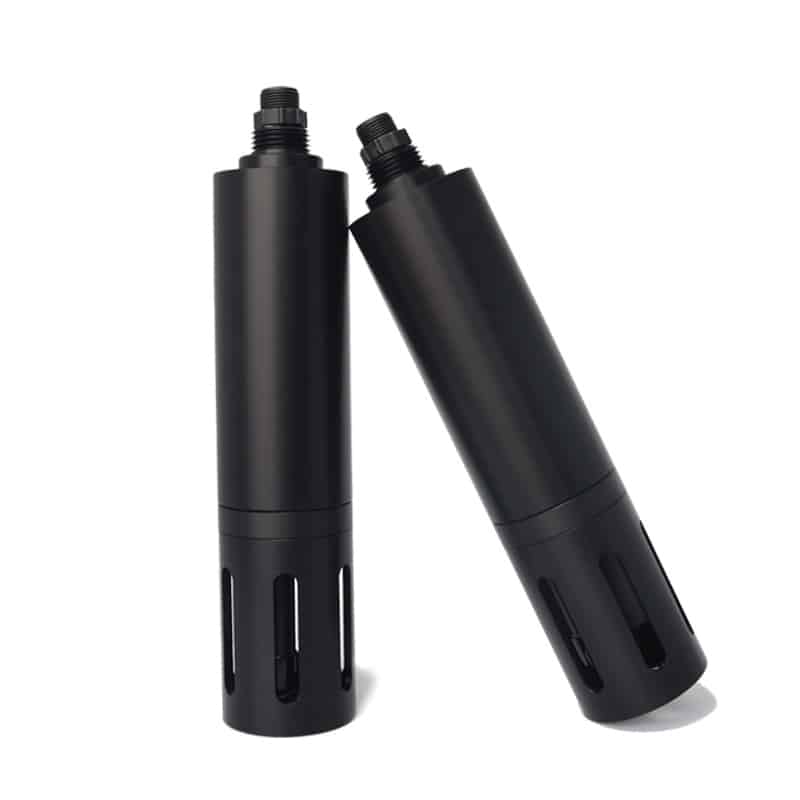
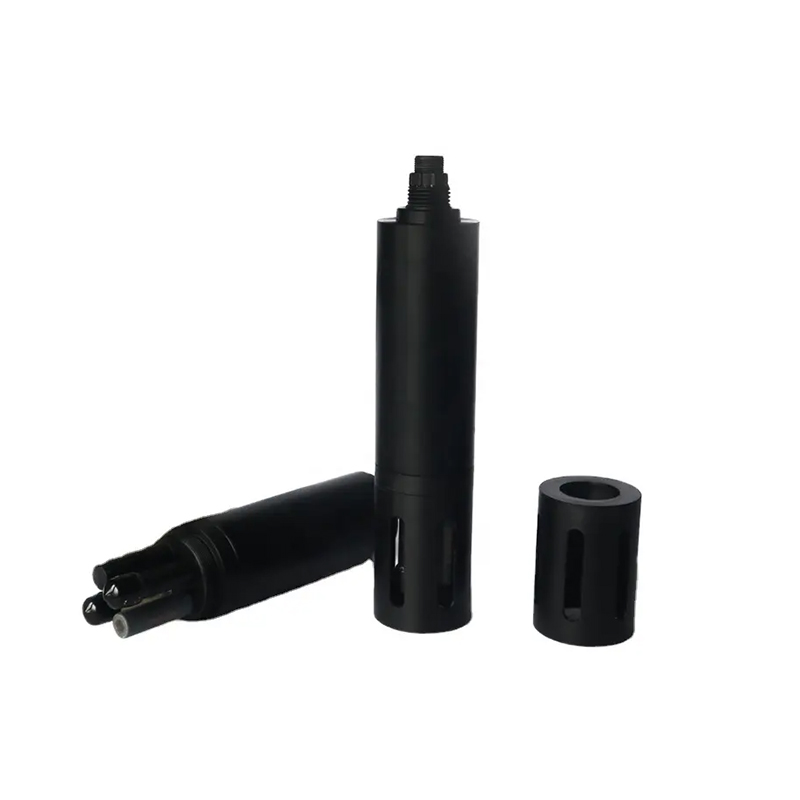
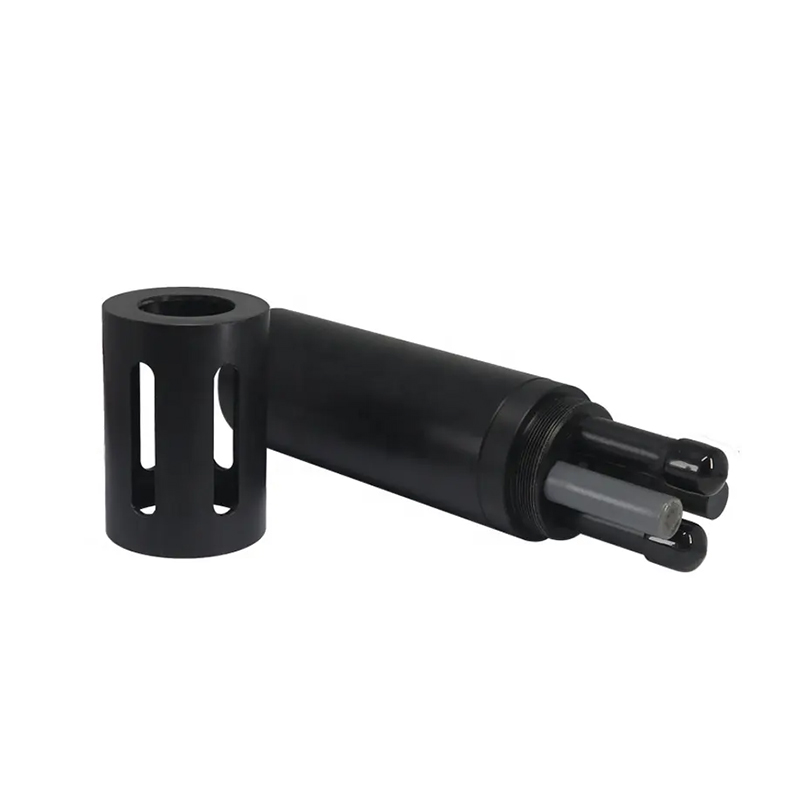
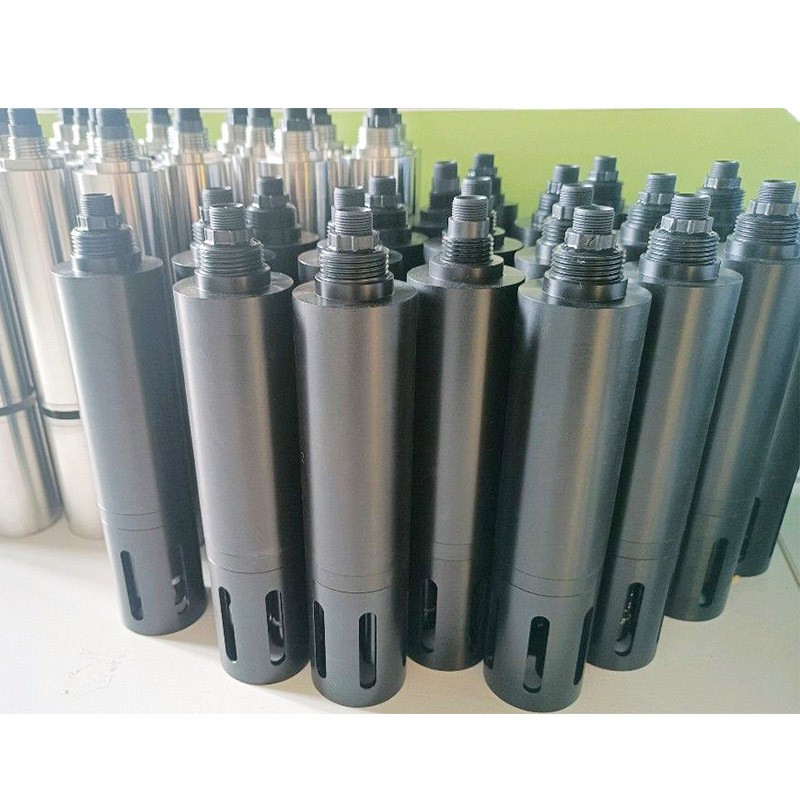
DSX260 Online Electronic Nitrate Sensor, without reagents, green and pollution-free, can be monitored online in real time. It can be installed directly. Compared with the traditional nitrate analyzer, it is more economical, environmentally friendly, convenient, and fast. It adopts RS-485 output and supports Modbus, which is convenient for integration.
Features
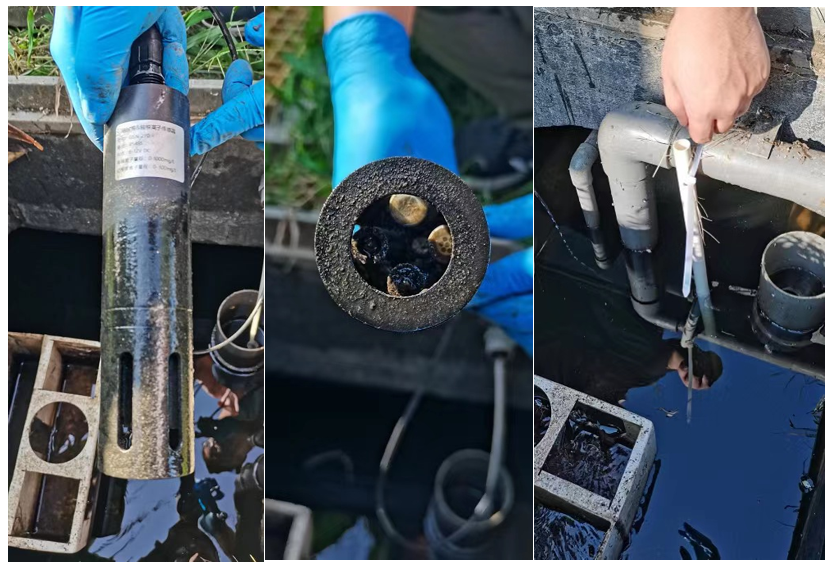
- No reagents, no pollution, more economical and environmentally friendly.
- The nitrate sensor has automatic water temperature compensation.
- Long-term online use also has good stability.
- Electrodes can be replaced individually.
Technical parameter
| Product name | Nitrate Sensor |
|---|---|
| Model | DSX260 |
| Detection principle | Electrode method |
| Measurement range | 0-100mg/L |
| Measurement accuracy | <5% |
| Resolution | 0.1mg/L |
| Temperature range | 0~50℃ |
| Output signal | RS-485, MODBUS protocol |
Specifications
| Waterproof level | IP68 |
|---|---|
| Under pressure | 1bar |
| Product material | POM |
| Product Size | Φ48 X 209mm |
| Power information | DC 6~12V, current <50mA |
| Cable length | Standard 5 meters, longer can be customized |
Videos
FAQs
What is Nitrate?
Nitrate (NO₃⁻) is a naturally occurring form of nitrogen found in soil, water, and food. It is a key nutrient for plant growth, but can become a pollutant when present in excess, especially in water sources. High nitrate levels can originate from fertilizers, sewage, and decomposing organic matter.
Why Do We Measure Nitrate?
Measuring nitrate is important for:
Water quality monitoring – to prevent contamination of drinking water.
Environmental protection – to assess runoff from agricultural lands.
Aquaculture and hydroponics – to ensure optimal nutrient balance.
Regulatory compliance – many regions have legal limits on nitrate levels.
How Does a Nitrate Sensor Work?
A nitrate sensor typically works in one of the following ways:
Ion-selective electrode (ISE): Measures electrical potential changes due to nitrate ion concentration. The OPS DSN260 Nitrate Sensor uses this way.
UV spectrophotometry: Measures nitrate absorption at specific UV wavelengths (usually 220 nm and 275 nm).
Colorimetric methods: Reacts with chemicals to produce a color change proportional to nitrate concentration.
When to Use the Nitrate Sensor?
Use a nitrate sensor:
In aquariums or aquaculture systems, to avoid fish stress or death.
In hydroponic systems to optimize nutrient delivery is optimized.
In wastewater or environmental monitoring projects.
How to Use the Nitrate Sensor?
Calibration: Regularly calibrate using standard nitrate solutions.
Placement: Submerge the sensor probe in the water or solution to be tested.
Wait for Stabilization: Allow readings to stabilize (usually a few seconds to minutes).
Record Readings: Log or transmit data as needed.
Maintenance: Rinse with distilled water and store properly to ensure accuracy.