Overview
A Blue-Green Algae Sensor is a device designed to detect the presence of blue-green algae (also known as cyanobacteria) in water bodies such as lakes, rivers, and reservoirs. Blue-green algae can produce harmful toxins that pose a threat to both aquatic ecosystems and human health. These sensors help monitor water quality, enabling early detection and preventing potential contamination.
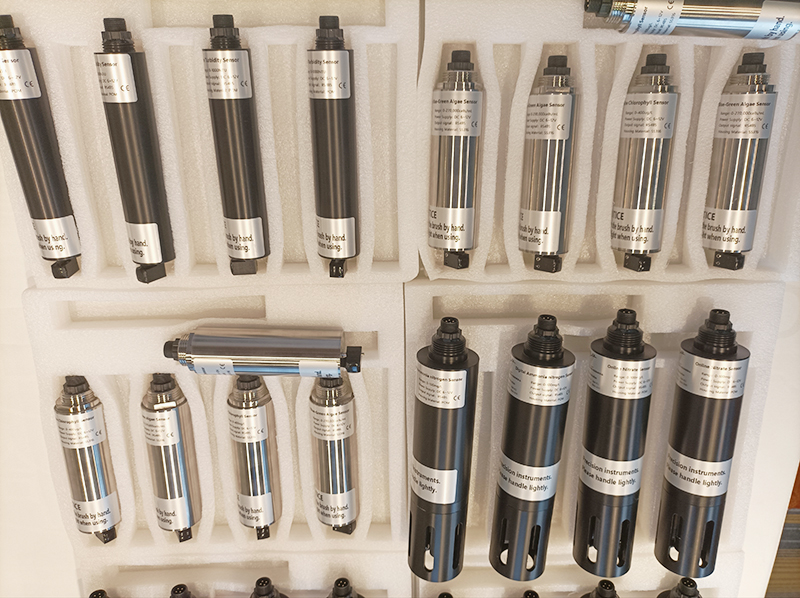
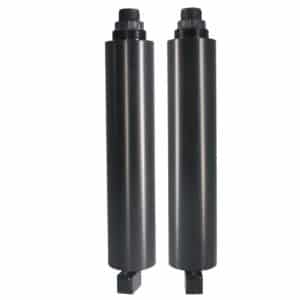
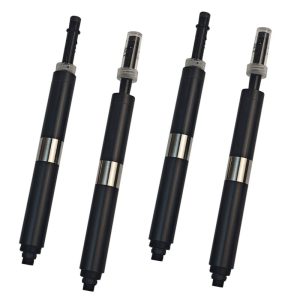
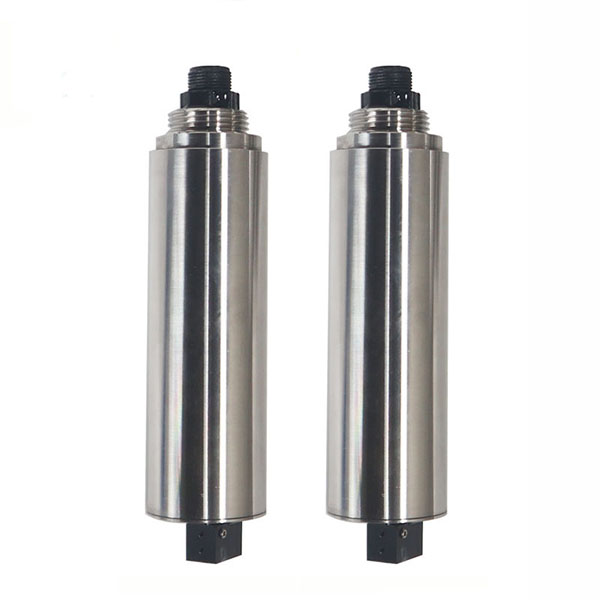
The DS305 online blue-green algae sensor adopts the principle of the fluorescence method, which is more efficient and faster than the traditional manual counting method, and can be monitored online in real time. The sensor has better repeatability and stability. With an automatic cleaning brush, it can eliminate air bubbles, reduce the influence of contamination on measurement, make the maintenance cycle longer, and maintain excellent stability for long-term online use. It can play an early warning role in the reproduction of algae.
Features of the blue-green algae sensor
- Digital sensor, RS-485 output, supports MODBUS.
- With an automatic cleaning brush to prevent contamination and eliminate air bubbles.
- Direct measurement is easier than traditional manual counting.
- Online continuous monitoring, real-time control of water quality dynamics.
Technical parameter
| Product name | Blue-green algae sensor |
|---|---|
| Detection principle | Fluorescence |
| Measurement range | 0-270.000 cells/mL |
| The detection limit | 300 cells/mL |
| Resolution | 1 cells/mL |
| Linearity | R2>0.999 |
| Temperature range | 0~50°C |
| Output signal | RS-485, MODBUS protocol |
Specifications
| Waterproof level | IP68 |
|---|---|
| Under pressure | 1bar |
| Product material | SS316/Titanium |
| Product Size | Φ45 X 175.8mm |
| Power information | DC 6~12V, current <50mA |
| Cable length | Standard 5 meters, longer can be customized |
Applications of Blue-Green Algae Sensors
Blue-Green Algae Sensors are used in a variety of settings where water quality monitoring is critical. Key application areas include:
1, Lakes, Rivers, and Reservoirs
For continuous monitoring of algal blooms to protect aquatic ecosystems and drinking water sources.
2, Water Treatment Plants
To detect cyanobacterial contamination early and ensure safe processing of drinking water.
3, Aquaculture Facilities
To maintain healthy conditions for fish and other aquatic organisms by preventing toxic blooms.
4, Environmental Research
For data collection and analysis on algal dynamics, climate change effects, and nutrient loading.
5, Recreational Water Monitoring
To ensure the safety of public swimming areas, beaches, and boating zones by detecting harmful algae levels.
Video
Frequently Asked Questions (FAQs)
1, What is a Blue-Green Algae Sensor?
A Blue-Green Algae Sensor is a device that detects the presence and concentration of cyanobacteria (blue-green algae) in water. It helps monitor water quality and provides early warnings of harmful algal blooms.
2, How does the sensor detect blue-green algae?
OPS Blue-Green Algae Sensor uses fluorescence technology to detect pigments unique to cyanobacteria, such as phycocyanin or chlorophyll-a. These pigments emit light when excited, which the sensor measures to estimate algae levels.
3, Why is it important to monitor blue-green algae?
Blue-green algae can release toxins harmful to humans, animals, and aquatic ecosystems. Monitoring helps prevent health risks, manage water quality, and protect natural resources.
4, Can the sensor detect all types of algae?
No. These sensors are specifically designed to detect cyanobacteria. Other types of algae (like green or red algae) may not be accurately detected unless a multispectral sensor is used.
5, What are the benefits of using a Blue-Green Algae Sensor?
-Early detection of harmful algal blooms
-Improved water quality management
-Real-time data for fast decision-making
-Reduced risks to public health and aquatic life
Get A Quote Now