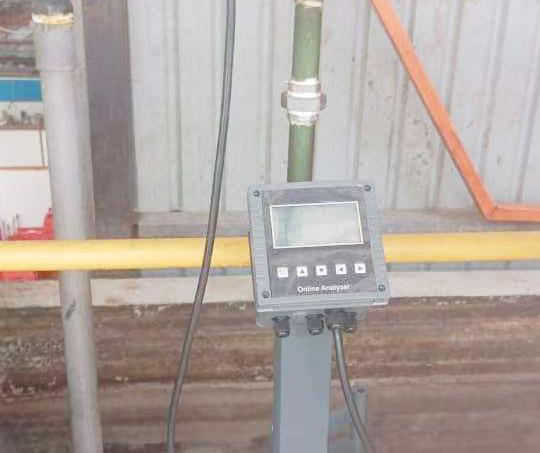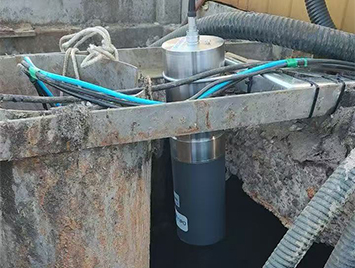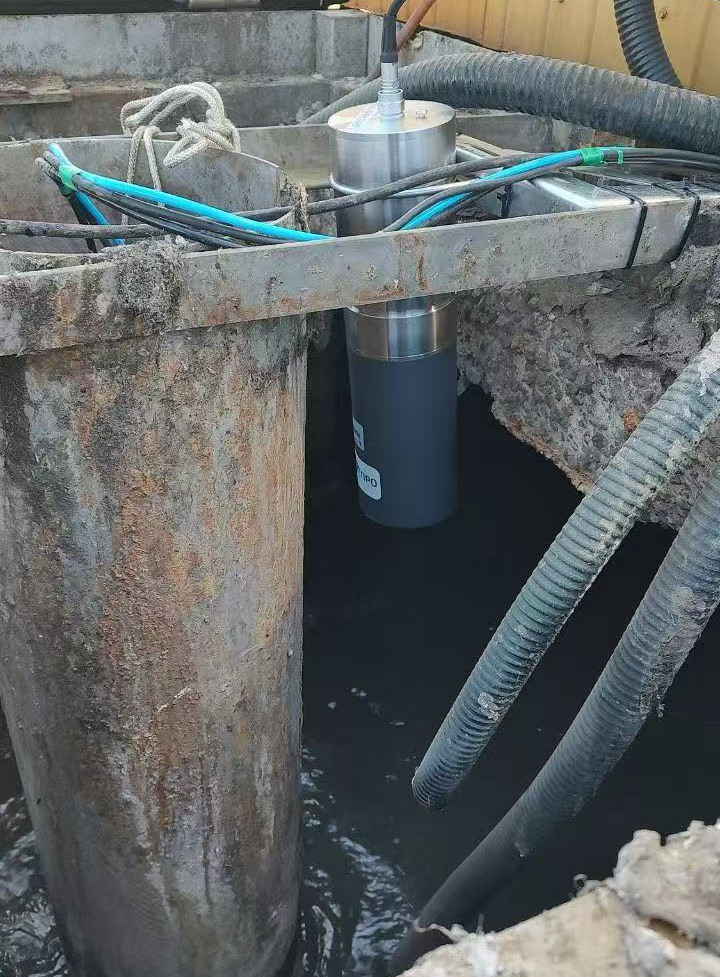
Exhibition Invitation | OPS Invites You to WETEX 2025

From September 30 to October 2, 2025, the 27th Water, Energy, Technology, and Environment Exhibition (WETEX 2025) will be held at the Dubai World Trade Centre. Recognized as the largest and most internationally influential environmental and water treatment exhibition in Asia, WETEX has long been committed to advancing sustainable development and green innovation, with a […]

Exhibition Invitation | OPS Invites You to WETEX 2025 Read More »
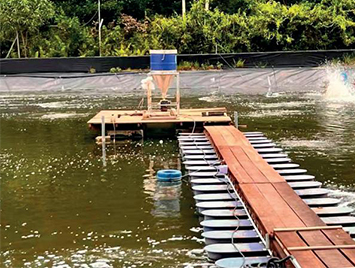
types of dissolved oxygen sensors

What are the types of dissolved oxygen sensors used for measuring oxygen in water?

Dissolved oxygen (DO) in water is measured using several types of sensors, each based on a different principle. The main types are: 1. Optical (Luminescent / Fluorescence Quenching) DO Sensors Based on the principle that dissolved oxygen quenches (reduces) the fluorescence of a dye. A blue or UV LED excites a luminescent dye; the presence

What are the types of dissolved oxygen sensors used for measuring oxygen in water? Read More »

Water Quality Monitoring System-OPS

Installation of OPS Water Quality Monitoring System at a Malaysian Slaughterhouse

In July 2025, the OPS water quality monitoring system was installed at a slaughterhouse in Malaysia. The facility required a reliable solution to continuously track and manage its wastewater parameters in compliance with environmental regulations. Installed Sensors To provide accurate real-time data, the following OPS water quality sensors were installed: pH Sensor –

Installation of OPS Water Quality Monitoring System at a Malaysian Slaughterhouse Read More »

DSOD703-Oil-Spill-Detector-Installed-in-Sewage-Channels.

OPS DSOD703 Oil Spill Detector Installed in Sewage Channels in Russia

Project Background Industrial wastewater and sewage systems often face challenges with oil contamination, which can harm treatment processes and lead to environmental hazards if not detected promptly. To address these risks, OPS partnered with a facility in Russia to install the DSOD703 Oil Spill Detector in a critical sewage channel, ensuring continuous oil monitoring

OPS DSOD703 Oil Spill Detector Installed in Sewage Channels in Russia Read More »

OPS DSOD703 Non-Contact Oil Spill Detector Installed at Coastal Oil Depot in Hainan

Hainan, China – [2025.7.21] – OPS DSOD703 Non-Contact Oil Spill Detector has been successfully installed at a major oil depot in Hainan, reinforcing the facility’s oil leak monitoring and emergency response capabilities. Located near the sea, the depot requires advanced systems to minimize the risk of oil leaks affecting the surrounding marine environment. The

OPS DSOD703 Non-Contact Oil Spill Detector Installed at Coastal Oil Depot in Hainan Read More »

6 Key Factors in Choosing an Oil Spill Detector Alarm System

Why Oil Spill Detection Is Essential for Modern Operations Oil spills are more than environmental threats—they’re operational hazards, financial risks, and regulatory liabilities. Even minor leaks can escalate into costly disasters if not addressed promptly. For industries handling hydrocarbons, such as refineries, ports, power stations, and wastewater facilities, real-time spill detection is vital. Early detection

6 Key Factors in Choosing an Oil Spill Detector Alarm System Read More »

Oil Spill Detection Sensor-OPS

Top 5 Benefits of Using a UV Fluorescence Oil Spill Detector for Offshore Oil Detection

Offshore oil operations pose significant environmental risks, and early oil spill detection is critical to minimizing damage and regulatory violations. Traditional methods often fall short in terms of sensitivity and response time. Fortunately, modern UV fluorescence oil spill detectors—such as the advanced system offered by OPS—provide a smart, non-contact solution for real-time monitoring. Here

Top 5 Benefits of Using a UV Fluorescence Oil Spill Detector for Offshore Oil Detection Read More »

Heavy Oil and Light Oil

Understanding Heavy Oil and Light Oil: A Complete Guide

What Are Heavy Oil and Light Oil? In the oil and gas industry, “light” and “heavy” refer to the density and viscosity of crude oil, not its color. These properties affect how easily the oil flows, how it is refined, and its economic value. Light crude oil: Flows easily and has lower density and viscosity.

Understanding Heavy Oil and Light Oil: A Complete Guide Read More »

Oil Spill Detector-OPS

How UV Fluorescence Non-contact Oil Spill Detectors Revolutionize Marine Pollution Monitoring

Oil spills pose a significant threat to marine ecosystems, necessitating rapid and accurate detection methods. Traditional detection techniques often fall short in sensitivity and response time. Enter UV fluorescence non-contact oil spill detectors—a technological advancement that is transforming how we monitor and respond to marine pollution. Understanding UV Fluorescence in Oil Detection Certain hydrocarbons emit

How UV Fluorescence Non-contact Oil Spill Detectors Revolutionize Marine Pollution Monitoring Read More »

OPS Non-Contact Oil Spill Monitoring System: A Smart Eye for Marine Spill Detection

In the vast expanse of the ocean, even a single drop of leaked oil can escalate into an ecological disaster. From offshore drilling and subsea pipelines to oil tanker transport, oil spill risks are embedded in every link of the petroleum supply chain. Confronting these “black ghosts” of pollution requires more than just cleanup—it demands

OPS Non-Contact Oil Spill Monitoring System: A Smart Eye for Marine Spill Detection Read More »

Update cookies preferences